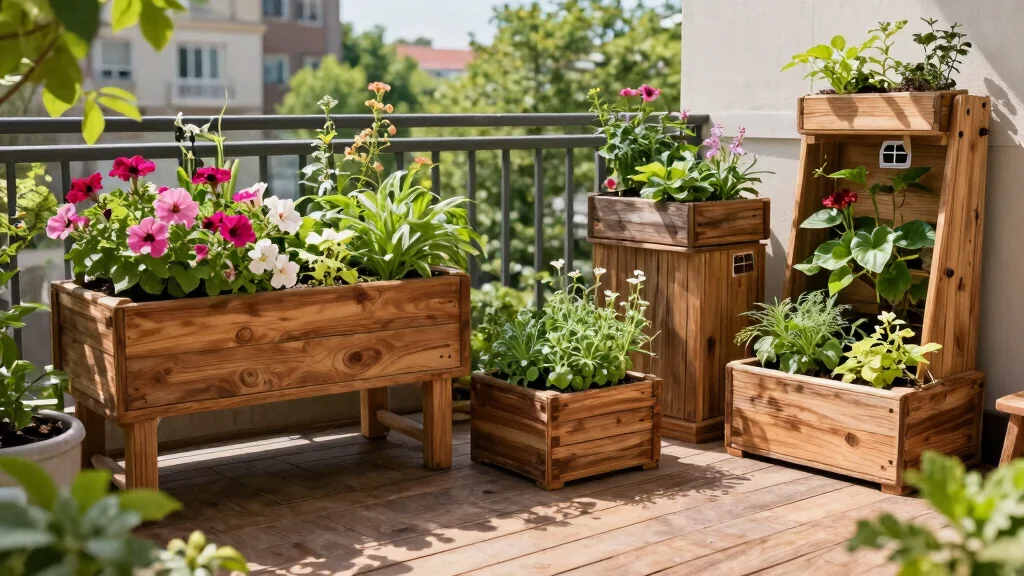
Gardening season has me craving creative ways to bring nature into my urban space. Nothing transforms a small balcony or patio quite like a beautifully crafted wooden planter box. If you’re someone who loves outdoor gardening, DIY projects, or simply wants to add a touch of rustic garden decor to your home, this post is for you. I’ve pulled together 12 fantastic wooden planter box ideas that are not only stylish but also practical for a variety of plants, whether you’re going for herbs, flowers, or even vegetables.
You’ll discover options that fit your unique style and space needs. From vertical wooden planter boxes that utilize height to rustic crate planters that add vintage charm, each idea is designed to inspire you. These wooden garden containers can enhance your gardening experience while also contributing to a more sustainable lifestyle. By making your own planter boxes, you can customize them to suit your preferences and needs, creating a cozy green oasis right at home.
Let’s dig in so you can find the perfect planter that reflects your personality and enhances your gardening journey. Each concept offers a blend of functionality and aesthetics, ensuring you’ll have something beautiful to show off in your outdoor space.
Key Takeaways
– Versatile Designs: Explore diverse styles like vertical and tiered wooden planter boxes that fit any space and plant type.
– DIY Benefits: Learn how creating your own DIY planter boxes allows for customization and personal expression in your gardening.
– Sustainable Practices: Incorporating wooden planters supports sustainable gardening practices and reduces plastic waste.
– Space Efficiency: Utilize dimensions and heights with options like stacked and hanging wooden planters to maximize small spaces.
– Aesthetic Appeal: Enhance your outdoor decor with rustic wooden planters that not only serve a function but also look great in your garden.
Recommended Products

Plant Box with Corner Trellis: There are two trellis walls attached at the corner of our raised flower bed, providing twice the room for grape vines, ivy, and other climbing plants. Each trellis is also excellent indoors as a place for keyrings, string lights, and other knick-knacks (please use something of adequate size under it to catch falling water when using it inside).

Solid Wood Construction: Made from natural fir wood, reinforced with metal brackets, this raised garden bed offers stable support for outdoor planting. The solid structure holds its shape during regular use and allows for DIY painting or finishing to match different garden styles.

All-in-One Vertical Gardening: This 2-in-1 raised garden bed combines a large planter box, a hanging roof and lattice trellises, perfect for supporting climbing plants, trailing vines, lush vegetables, or hanging flower baskets, while adding a stylish decorative feature to your patio or yard.
1. Vertical Wooden Planter Boxes
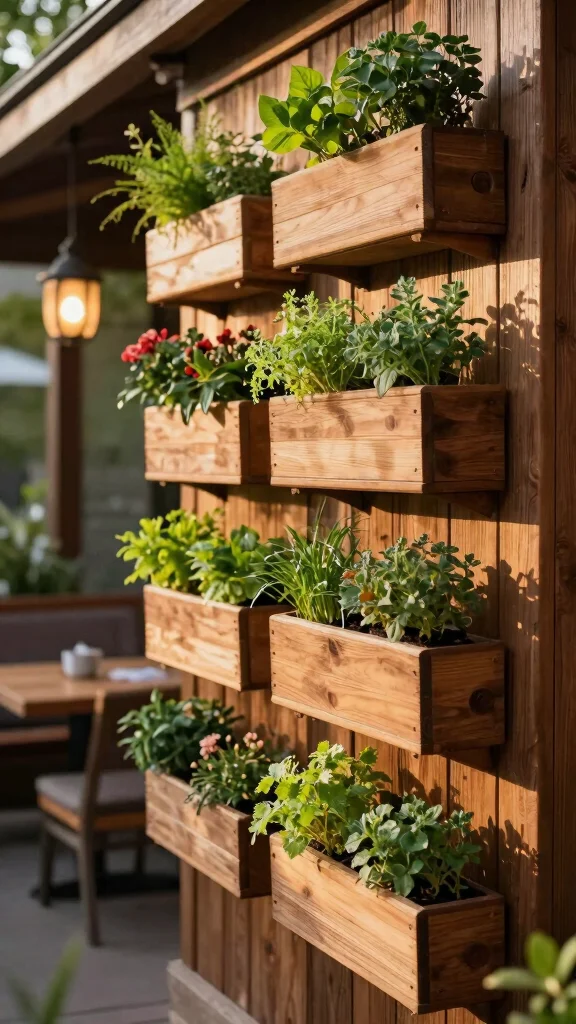
Are you looking to maximize your gardening space? Vertical wooden planter boxes are a fantastic way to grow plants upward, saving space while adding a unique and stylish element to your outdoor area. You can easily mount these boxes on walls, railings, or use them as free-standing structures to showcase your green thumb.
Start by choosing reclaimed wood for that rustic vibe and ensure proper drainage by drilling holes in the bottom. A trellis can add support for climbing plants, making your vertical garden even more dynamic. Personalize your planter with colors and sizes that resonate with your style.
Key steps to create:
– Gather materials: reclaimed wood, nails, and a saw.
– Cut wood to your desired planter sizes.
– Assemble by nailing boards together for sturdiness.
– Sand down rough edges for safety and aesthetics.
– Add soil and plants, then mount or position in your chosen spot.
This approach not only beautifies your space but also enhances your gardening experience by allowing you to grow a variety of plants in limited areas.
Recommended Products

【Rustic Farmhouse-Style】This farmhouse wagon planter offers plenty of space for a variety of plants.The width and length of this product can safely hold your plants. It provides you enough space to grow different plants. Drainage holes prevent root rot,It can perfectly protect the roots of flowers for healthy growth.
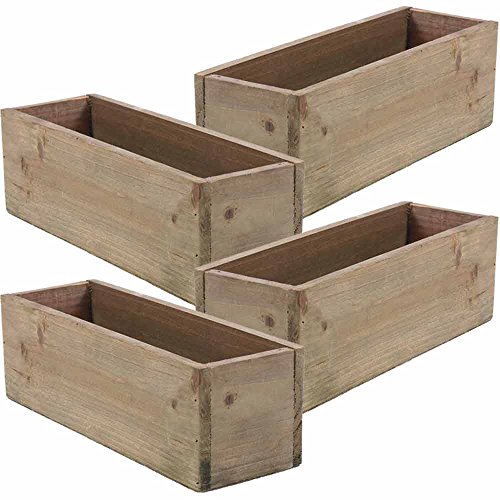
MULTI PACK - Each Set includes 4 individual planter boxes with plastic liner
![Country Style Wood Planter Box [1-Drawer] Rustic Wooden Flower Box - 5.5"x5.5" Square Planter - Small Wood Crates Unfinished Succulent Planters - Decorative Wooden Boxes for Flower Arrangements](https://m.media-amazon.com/images/I/51codZJwyOS._SL500_.jpg)
The Perfect Wood Plant Box with a Rustic Charm: Admire your tiny plant babies a tad bit more when you see them nestled up nicely in this drawer-style wooden plant box from Primo Supply . With its rough unfinished exterior, this planter box also doubles as the perfect home decor to bring out a nice rustic, vintage, or farmhouse vibe--truly a more natural-looking accent for every corner or space in your humble abode
2. Rustic Crate Planters
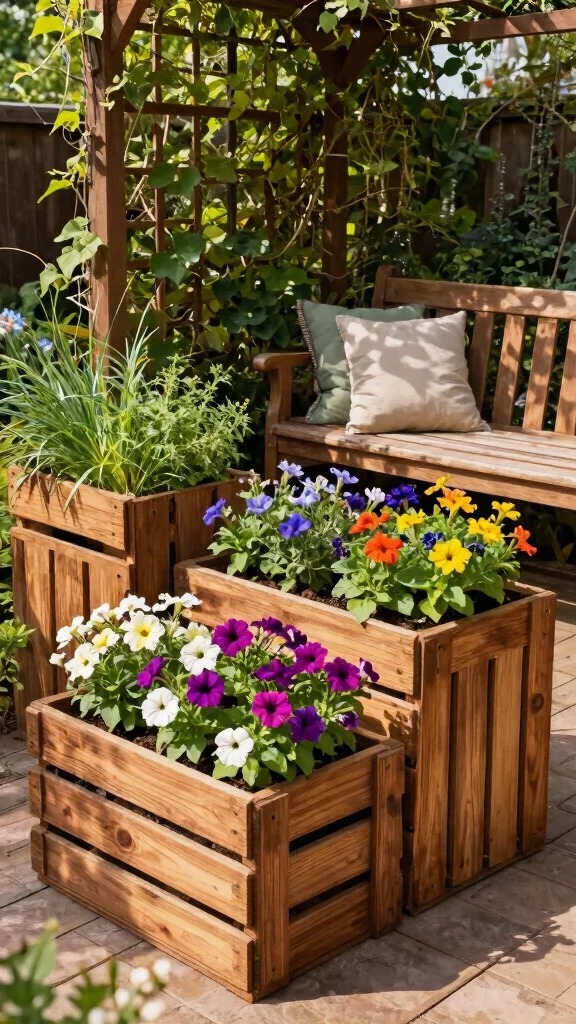
Transform old wooden crates into delightful rustic planter boxes that add charm to your garden. Their weathered appearance brings warmth and character to any outdoor setting, and they come in various sizes, making them versatile for different plants.
Imagine stacking crates at varying heights for a captivating display or placing them on your porch as standalone planters. Line the inside with landscape fabric to keep soil in place while allowing drainage, and feel free to paint or stain them to match your garden’s theme.
Essential steps to get started:
– Find vintage or new wooden crates at thrift stores or online.
– Clean and inspect for damage, reinforcing as needed.
– Add drainage holes if necessary.
– Fill with quality potting soil and your chosen plants.
– Arrange them creatively in your garden space.
These rustic crates not only serve as functional planters but also enhance the aesthetic appeal of your garden.
Recommended Products

【Perfect Design】: The 3-tier planter box design will not take up too much floor space, which can separate and organize the sections as well as grow different kinds of plants. In addition, the trapezoidal design allows all plants to enjoy full sunlight for better growth. The box bottom of each tier is equipped with drainage holes to help drain excess water and prevent root rot

Spacious 5-Tier Growing Area: Designed with 5 separate planting boxes, this garden planter provides generous room for growing fruits, succulents, vegetables, or colorful flowers while keeping your gardening area neatly organized in one place.
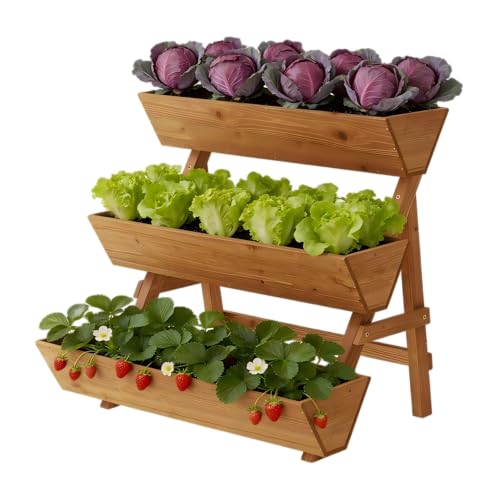
【Perfect Design】: The 3-tier planter box design will not take up too much floor space, which can separate and organize the sections as well as grow different kinds of plants. In addition, the trapezoidal design allows all plants to enjoy full sunlight for better growth. The box bottom of each tier is equipped with drainage holes to help drain excess water and prevent root rot.
3. Tiered Wooden Planter Boxes
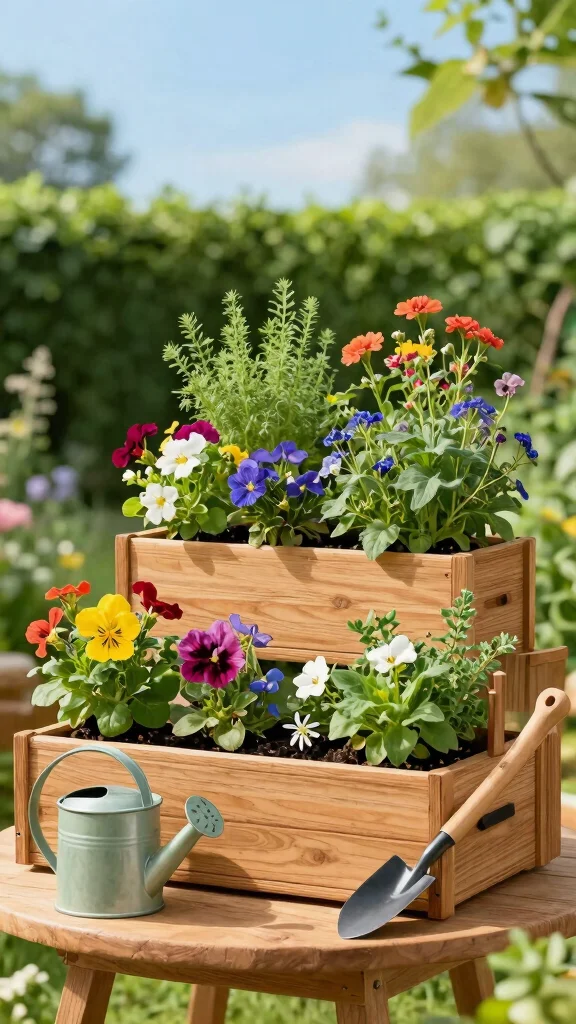
Tiered wooden planter boxes are both practical and visually appealing, offering multiple planting levels in a compact design. This structure is perfect for growing a variety of plants, including herbs, flowers, and vegetables, creating a beautiful and functional edible garden.
Consider placing taller plants on the top tier to prevent overshadowing smaller ones, adding depth to your garden. Ensure each tier is stable and well-anchored, while also providing good drainage for healthy growth.
Steps for building:
– Measure and cut wood for the base and tier platforms.
– Assemble the base first, securing it with screws or nails.
– Build each tier, spacing them appropriately.
– Finish with a protective sealant for durability, then add soil and plants.
With this design, you’ll not only maximize your planting area but also enhance the overall beauty of your outdoor space.
Fun fact: Three-tier wooden planter boxes can triple your growing space on a small balcony, fitting herbs, flowers, and veggies on separate levels. Place taller plants on the top tier to avoid shading and boost airflow.
Recommended Products

【 Sturdy Fir Wood Structure 】 The elevated planting box is crafted with natural fir wood, which is not easy to deform or crack, offering durability and longevity. Additionally, reinforced wooden battens and strong support legs provide a reliable structure.

SET OF 2: Two identical planters doubles your decorating opportunities; grow decorative plants in one and climbing fruits and vegetables in the other!

Premium Durable Construction: Crafted from galvanized metal with a powder-coated finish, this planter box for climbing plants resists rust, deformation, and weather elements—unlike wooden planters—ensuring long-lasting durability for year-round use.
Key Trade-offs & Our Top Pick
1. Vertical Wooden Planter Boxes
– Pros:
– Space-saving design, perfect for small areas.
– Allows for easy access to plants.
– Great for herbs and vertical gardening.
– Cons:
– May require more frequent watering due to drainage.
– Limited planting space per tier.
– Can be unstable if not anchored properly.
– Best for: Small urban gardens or balconies where space is limited.
2. Rustic Crate Planters
– Pros:
– Offers a charming, rustic look.
– Affordable and easy to find.
– Great for a variety of plants and flowers.
– Cons:
– May not be very durable without treatment.
– Limited depth can restrict root growth.
– Prone to rot if exposed to moisture.
– Best for: Those looking to add a vintage touch to their garden or outdoor space.
3. Tiered Wooden Planter Boxes
– Pros:
– Maximizes planting area in compact spaces.
– Provides a beautiful visual display.
– Ideal for growing different plants at various heights.
– Cons:
– Can be heavy and difficult to move.
– More complex to build than single-level boxes.
– Requires proper drainage management.
– Best for: Gardeners who want to create an eye-catching arrangement in patios or yards.
4. Pallet Planter Boxes
– Pros:
– Highly sustainable and eco-friendly.
– Unique look that can fit various decor styles.
– Easily customizable with paint or stain.
– Cons:
– May need thorough cleaning to remove chemicals.
– Can warp or break down over time.
– Requires some DIY skills to assemble.
– Best for: DIY enthusiasts looking to repurpose materials for gardening.
5. Raised Wooden Garden Beds
– Pros:
– Excellent for improving soil drainage and aeration.
– Easier on the back for planting and harvesting.
– Provides a clear boundary for your garden area.
– Cons:
– Greater initial cost for materials and construction.
– May require more maintenance over time.
– Can attract pests if not properly managed.
– Best for: Serious gardeners wanting to grow a variety of plants comfortably.
Expert Recommendation:
Best Overall: Tiered Wooden Planter Boxes
This option stands out for its combination of aesthetics and functionality. The tiered design allows you to grow a variety of plants, saving space while offering an attractive display. With proper care, these planters can last for many seasons, making them a smart investment for both novice and experienced gardeners.
Why We Picked This:
While tiered wooden planter boxes are our top choice, consider your specific needs. If you’re short on space, vertical planter boxes may be ideal. For those who love a rustic look, crate planters work well. Each option has its strengths and weaknesses, so think about what fits your gardening style and environment best.
Recommended Products
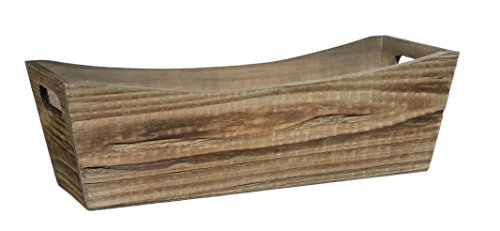
CLASSIC DESIGN: Featuring a stunning design, this shallow bowl planter has a pottery-like finish and a classic design that features a complementary range of colors that seamlessly blend into modern and traditional settings.

PLENTY INNER SPACE -- The whole garden planter set holds up 102.5 cm L × 32 cm W × 22.5 cm H / 40.4″ L × 12.6″ W × 9″ H of inner space, which provides plenty of room for all of your vegetables, flowers, and any other plants

HIGH-QUALITY ACACIA WOOD CONSTRUCTION: Our garden boxes outdoor raised are crafted from durable Acacia wood; The unique wood grain enhances your space, ideal for decorating or growing plants
4. Pallet Planter Boxes
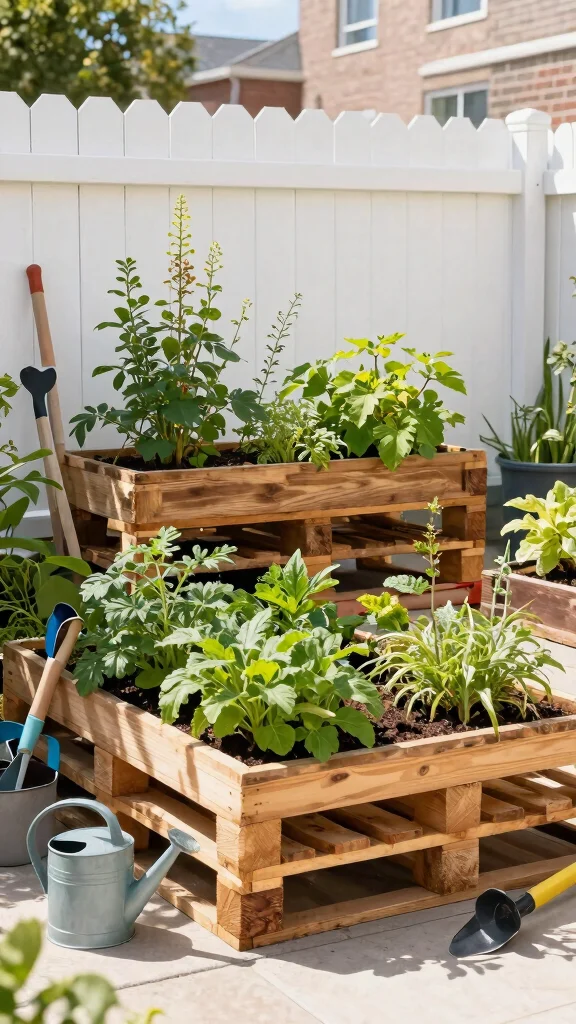
Upcycling pallets into planter boxes is an excellent way to embrace sustainability while adding a distinctive touch to your garden. Pallets are often easy to find and can be converted into charming planters that fit seamlessly into any outdoor area.
Using pallets provides versatility and excellent drainage for your plants. Carefully disassemble the pallet, sand it down to avoid splinters, and consider a waterproof liner to keep the soil contained.
Steps for your pallet planter:
– Find a sturdy pallet and remove any damaged boards.
– Cut the pallet down to your desired planter size.
– Reinforce the base with extra wood as necessary.
– Fill with soil, plant your choice of flowers or vegetables, and enjoy a unique garden feature.
This method not only gives new life to old materials but also creates a beautiful focal point in your garden.
Recommended Products

Four-Layered Garden Design: This planter box features a four-tier structure, allowing you to cultivate a variety of plants in separate layers. You can plant everything from vegetables and herbs to flowers, fruits, and even strawberries. Each tier offers ample space for healthy growth without overcrowding your plants

SELECTED MATERIALS FOR DURABLE USE -- Made of selected wood material, each board of 3 tiered garden raised bed for horticulture is well sanded to prevent any unnecessary hurts caused by wood splinters. It lasts for years, even without much care and maintenance

MADE IN THE USA – SUPPORTS 3 SMALL BUSINESSES Proudly manufactured in the United States. Every Smart Spring planter purchased directly supports three small U.S. businesses, helping keep jobs and production local.
5. Stacked Wooden Planter Boxes
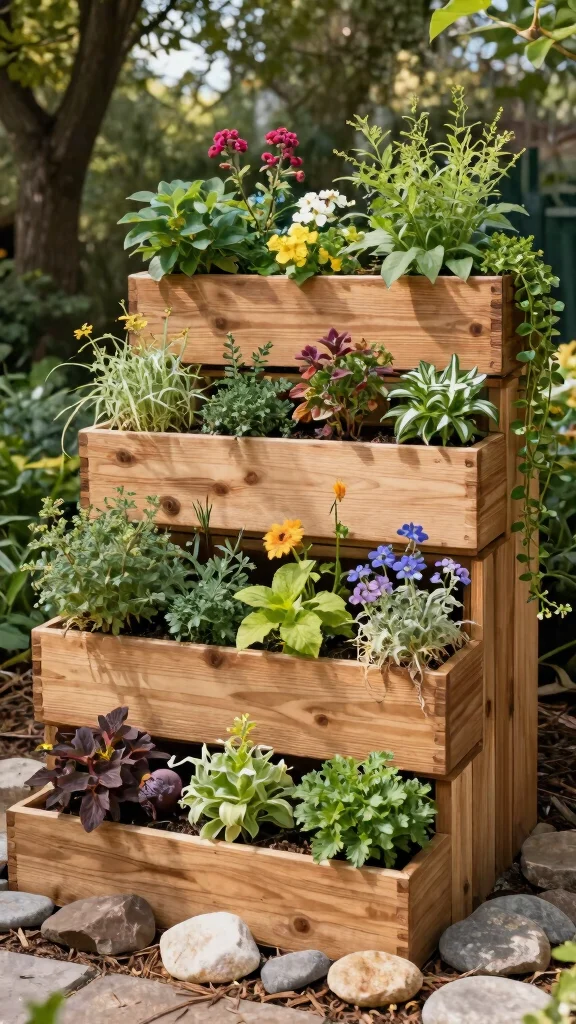
Stacked wooden planter boxes offer an innovative way to grow plants while saving horizontal space. This creative design is perfect for smaller yards or patios, allowing for organized and attractive plant growth.
You can create various shapes and sizes with stacked planters, mixing flowers and herbs for a stunning display. Ensure each box has adequate drainage and sunlight for optimal growth, and consider a variety of colors and textures for visual appeal.
Steps for assembly:
– Choose uniform wooden boxes and stack them securely.
– Attach boxes using screws or brackets for stability.
– Fill with quality potting soil and select a variety of plants to thrive together.
This approach not only maximizes your planting area but also adds a unique touch to your garden aesthetics.
Recommended Products

【Premium Material】Crafted from 100% solid fir wood, our wooden hanging planter delivers a natural rustic texture. Reinforced with 2 heavy-duty iron bands around the waist, it resists warping and maintains stability. Equipped with 2 detachable metal hooks (fits rails up to 2.5"), it easily converts from a railing planter to a standalone tabletop pot (No assembly required for the planter body)

MAXIMIZE YOUR SPACE: Our balcony railing planters are designed to help you make the most of your porch or patio living space. With their rectangular shape and drainage holes, you can grow strong, healthy plants easily.

Premium Material: Crafted from 100% solid fir wood, our wooden hanging planter delivers a natural rustic texture. Reinforced with 2 heavy-duty iron bands around the waist, it resists warping and maintains stability. Equipped with 2 detachable metal hooks (fits rails up to 2.5"), it easily converts from a railing planter to a standalone tabletop pot (No assembly required for the planter body)
6. Wooden Bench Planter Boxes
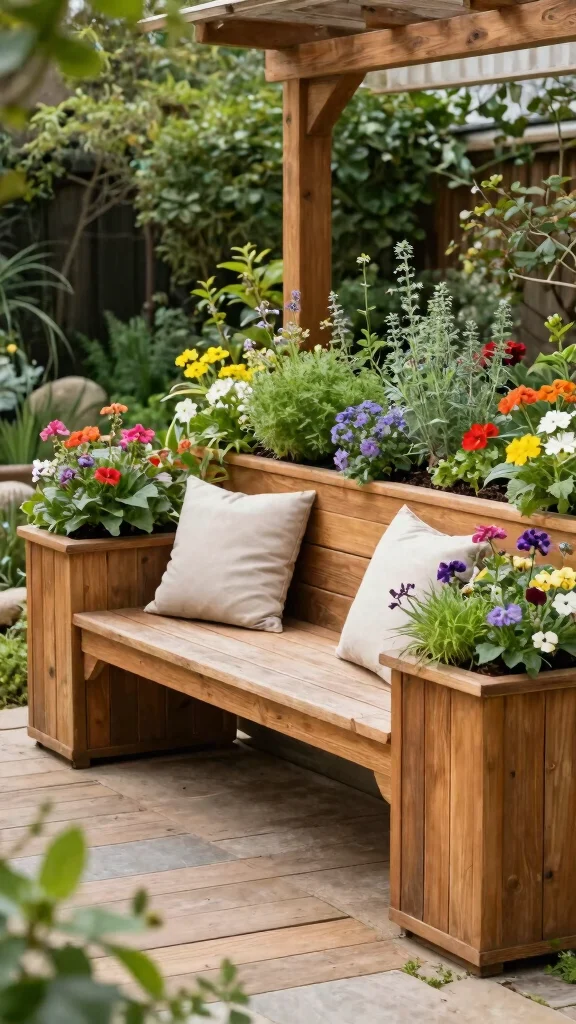
Combine seating with gardening through wooden bench planter boxes, which serve dual purposes as functional furniture and planting space. This design is ideal for urban settings where every inch counts, creating an inviting area to relax among your plants.
Select sturdy wood that can withstand the elements to ensure the bench lasts for years. For a fragrant seating area, consider growing herbs or small flowers that enhance your outdoor experience.
Steps to create:
– Design your bench with planters on either side or integrated into the back.
– Attach planters securely to the bench frame.
– Ensure proper drainage in the planter boxes and fill with soil and plants.
This innovative design not only maximizes space but also invites you to enjoy your garden more fully.
Recommended Products
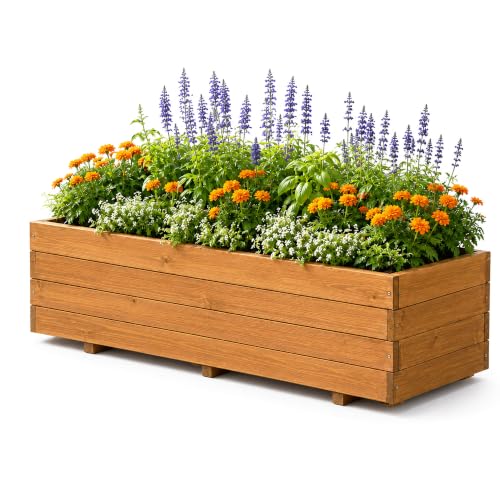
[ Solid Fir Wood Garden Box ]: Made by ScienGarden from solid fir wood, this wooden planter box features a smooth water-based paint finish for a cleaner, sealed surface. The natural wood look makes it suitable for outdoor garden decor, patios, porches, balconies, and backyard spaces.
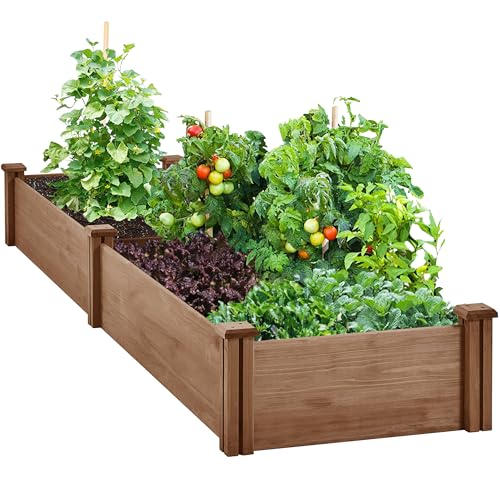
【Multifunctional】This garden planter is separated into two growing areas for different plants or planting methods. The baffle can be removed to form a bigger growing area. You can also buy several garden beds to design and build your own dream garden.

High quality materials: This wooden box is made of 100% natural high-quality pine wood, with a finely treated surface. The size is approximately 17 x 13 x 8.5 inches.
7. Window Box Planters
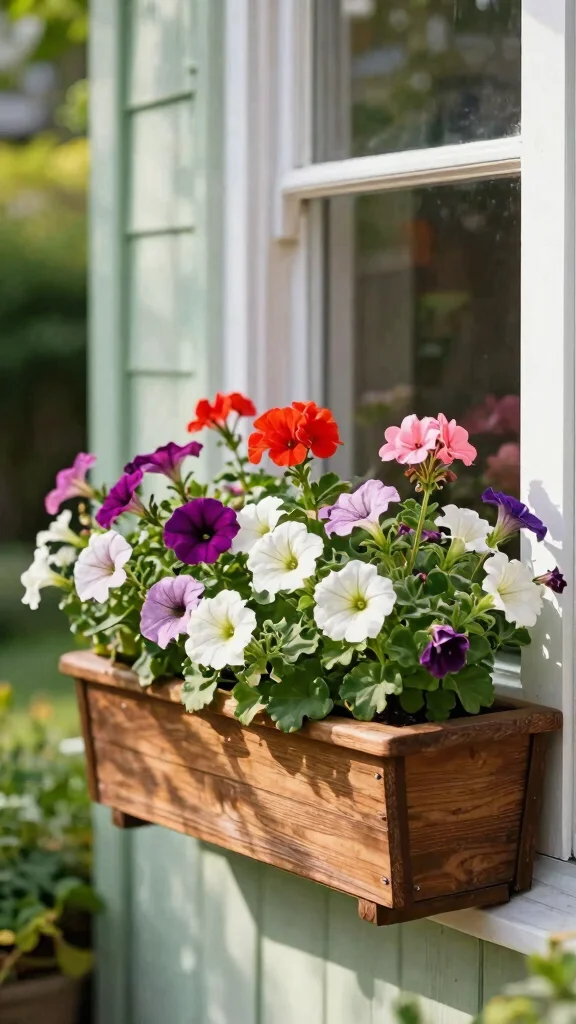
Enhance your home’s charm with wooden window box planters that bring life to your windows. These planters can transform a plain window into a vibrant display of colors, increasing curb appeal while providing greenery just outside your home.
Choose flowers that cascade over the edges for a stunning visual effect, or opt for herbs in the kitchen window for fresh ingredients at your fingertips. Ensure the boxes are securely attached and equipped with ample drainage holes for plant health.
Steps for crafting:
– Measure your window length to determine the box size.
– Cut and assemble wood to create the box.
– Attach brackets for secure installation, then fill with soil and vibrant plants.
Your windows will not only look beautiful but also provide easy access to fresh herbs and flowers.
Recommended Products

2-PACK SET: 4x4x4 inch. Pick the right size for your plants to prevent unpleasant experiences and potential wastage of resources. These wood box plant decor provide a compact and versatile option for displaying your favorite plants or creating captivating centerpieces. Plants NOT included.

【Premium Material】Crafted from 100% solid fir wood, our wooden hanging planter delivers a natural rustic texture. Reinforced with 2 heavy-duty iron bands around the waist, it resists warping and maintains stability. Equipped with 2 detachable metal hooks (fits rails up to 2.5"), it easily converts from a railing planter to a standalone tabletop pot (No assembly required for the planter body)

【Sturdy Hanging Design】This planter box is made of premium wood with weather-resistant treatment, suitable for both indoor and outdoor use. Equipped with durable metal hooks, it securely suspends your favorite plants without risk of slipping, ideal for vertical gardening
8. Circular Wooden Planters

Circular wooden planters provide a unique design perspective, offering a soft contrast to traditional rectangular boxes. They can serve as eye-catching focal points, allowing for beautiful floral displays or harmonious arrangements of herbs, adding elegance to your outdoor area.
These planters are perfect for creating cozy seating spaces surrounded by greenery or as standalone pieces in your garden. Ensure a solid base and drainage holes to support healthy plant growth, and consider using different wood types for contrast.
Steps for creating:
– Use plywood or thick wood to cut out a circular shape.
– Assemble the circular walls, reinforcing them as necessary.
– Line the interior with landscape fabric to hold soil, then fill and plant.
This unique design will undoubtedly attract attention and enhance your garden’s charm.
Fun fact: Circular wooden planters make the most of tight urban spaces. Their rounded shape promotes even moisture and root growth, cutting waste by up to 20% in wooden planter boxes and creating eye-catching focal points for herbs or blooms.
9. Hanging Wooden Planters
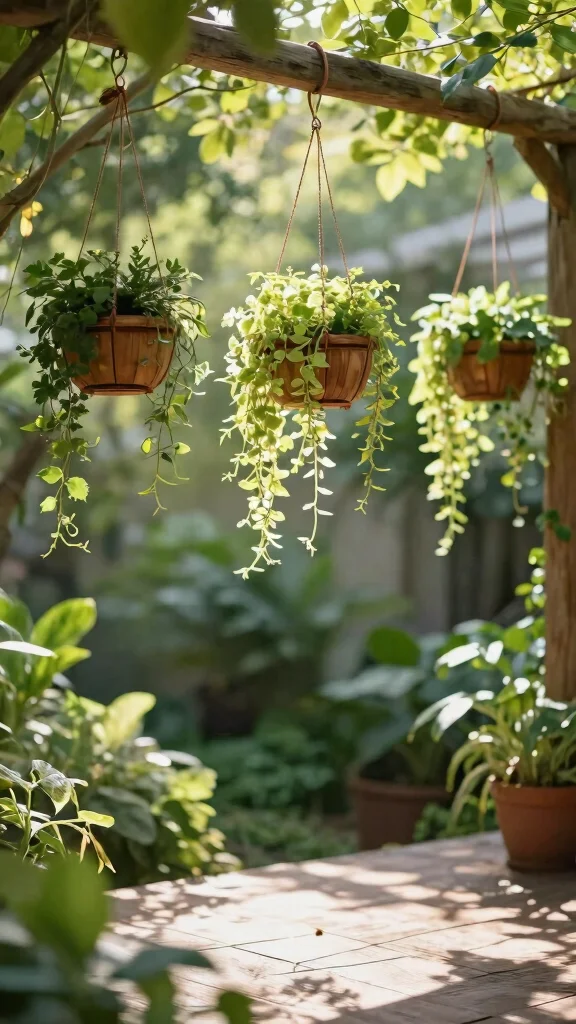
For those who want to elevate their gardening style, hanging wooden planters are a fantastic option. They add depth and interest to your garden or balcony while showcasing your favorite plants in a beautiful way.
Hang these planters at varying heights to create a stunning visual display, featuring different plant varieties. Use strong hooks and chains to securely hold the weight of the soil and plants, and consider lightweight wood for easier installation.
How to make one:
– Cut wood into desired planter shapes.
– Drill holes for drainage.
– Attach sturdy chains or ropes to hang securely in your chosen location.
This creative approach allows you to utilize vertical space while adding a unique flair to your garden.
10. Raised Wooden Garden Beds

Elevate your gardening experience with raised wooden garden beds that provide ample growing space and excellent drainage. They can be customized to your height preferences, making gardening more accessible and enjoyable.
These beds offer the advantage of defined growing areas, helping to prevent weeds and improve soil quality. Plus, they add a structured look to your garden that can be quite appealing.
Construction insights:
– Use untreated wood to avoid harmful chemicals leaching into the soil.
– Line the bottom with landscaping fabric to keep soil contained while allowing drainage.
– Choose your desired dimensions for the garden bed.
– Cut wood to the required lengths, assemble into a rectangular box.
– Place in your chosen location and fill with enriched soil before planting.
This method not only improves your gardening conditions but also enhances the beauty of your outdoor space.
Fun fact: Raised wooden garden beds can boost drainage by up to 40% and slash weed growth with clearly defined growing zones. Customize the height for your comfort, and use untreated wood to keep wooden planter boxes safer for urban gardening.
11. Decorative Wooden Planter Boxes
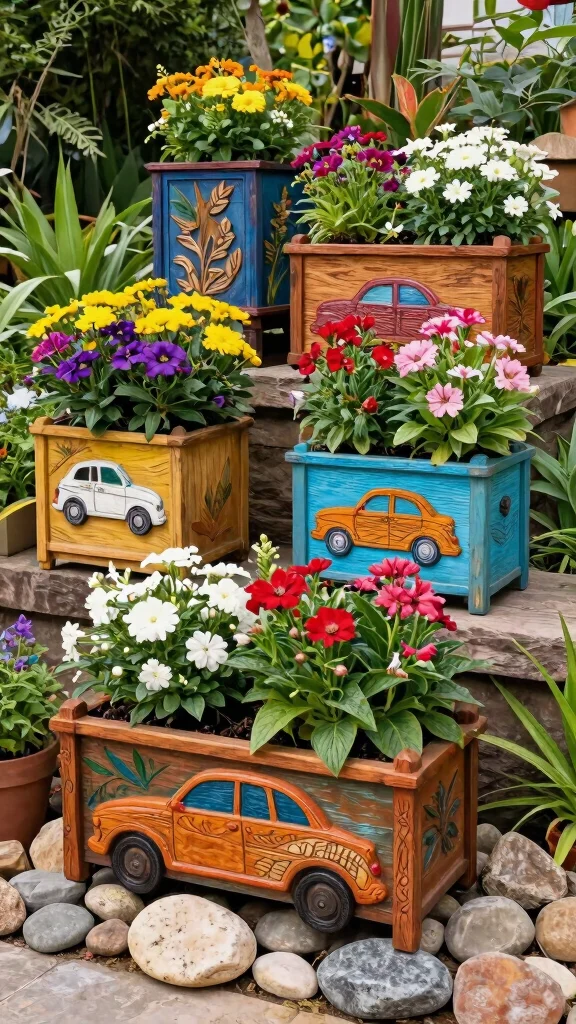
Infuse creativity into your garden with decorative wooden planter boxes that serve as stunning accents. These planters can be customized with unique designs, colors, and shapes that reflect your personal style, merging functionality with artistry.
Consider using stencils or paint to create vibrant designs, or incorporate carvings for a rustic charm. Mixing different wood types can add an exciting contrast to your garden’s visual appeal.
Building steps:
– Decide on the design and dimensions of your planter box.
– Gather materials and ensure proper wood quality.
– Assemble and decorate as desired, ensuring drainage for your plants.
These decorative planters not only cultivate plants but also elevate the overall aesthetic of your garden.
12. Wooden Planter Boxes with Trellis

Integrating a trellis with your wooden planter boxes maximizes gardening space while allowing climbing plants to thrive beautifully. This combination results in a stunning visual display that supports vertical growth, ideal for flowering vines, tomatoes, or cucumbers.
Ensure your trellis is robust enough to support the weight of climbing plants and position it to receive adequate sunlight for healthy growth. This setup not only enhances your planting options but also adds an attractive design element to your garden.
Steps for assembly:
– Build or purchase a trellis that complements your planter box wood.
– Securely attach the trellis to the back of the planter box.
– Fill the box with soil, plant your climbing plants, and guide them onto the trellis as they grow.
This design strategy not only optimizes your gardening space but also creates a visually captivating garden feature.
Conclusion
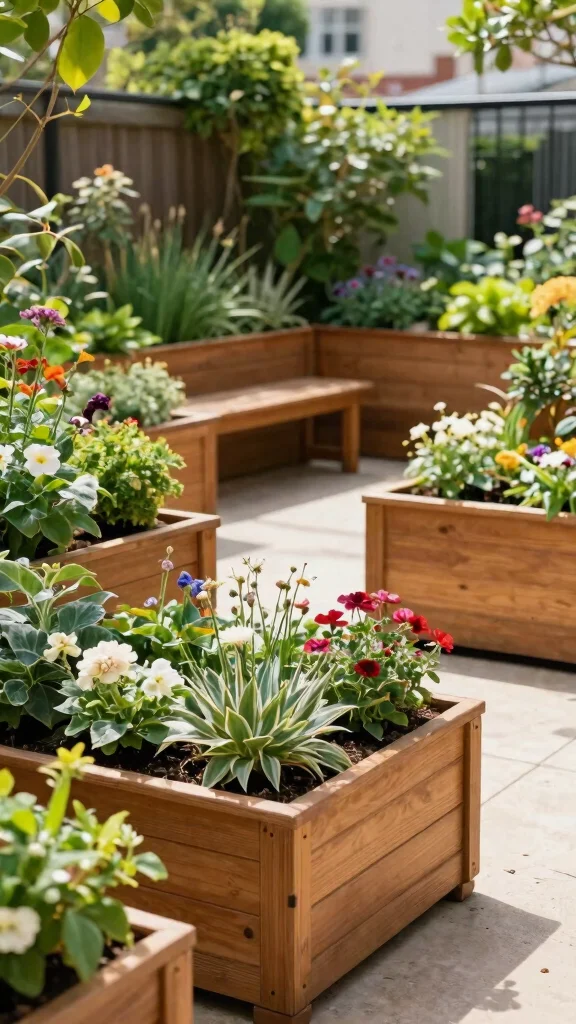
Creating wooden planter boxes opens a world of possibilities for gardening enthusiasts, especially in urban settings. Each of these twelve ideas offers not just a way to grow plants, but also a chance to express creativity and charm in your outdoor space. Whether you choose vertical designs or rustic crates, remember that your garden reflects your personality and lifestyle.
As you embark on your sustainable gardening journey, take these ideas to heart and start crafting your mini-oasis. Share your creations and inspire others to bring a touch of nature into their urban lives!
Note: We aim to provide accurate product links, but some may occasionally expire or become unavailable. If this happens, please search directly on Amazon for the product or a suitable alternative.
This post contains Amazon affiliate links, meaning we may earn a small commission if you purchase through our links, at no extra cost to you.
Frequently Asked Questions
Question: What Are The Best Wood Types For Wooden Planter Boxes In Outdoor Gardening?
For long-lasting wooden planter boxes, choose woods that resist moisture and decay. Natural rot resistance comes from cedar, redwood, and cypress, which fit nicely into outdoor gardening and rustic garden decor. If budget is tight, you can use pressure-treated lumber for the frame—just seal the interior and line the box with a food-safe liner to protect soil and vegetables. Exterior-grade plywood can work for sides when it’s properly sealed and has drainage, but always finish with a breathable, water-based sealant. By selecting sustainably sourced wood and avoiding toxic finishes, your wooden planter boxes will endure season after season in urban spaces.
Pro tip: consider reclaimed or FSC-certified wood to boost sustainability, and keep a simple drainage layer to prevent waterlogging.
Question: How Can I Build Durable DIY Planter Boxes For Urban Balconies On A Budget?
Start with a simple plan that fits your balcony: measure available width and height, then pick a box size that allows for drainage and air flow. Use affordable exterior lumber such as cedar boards or even repurposed pallet wood (carefully de-nailed and treated). Build a rectangular frame, attach boards with exterior screws, and line the inside with a simple landscape fabric or a plastic liner to hold soil. Drill drainage holes in the bottom and add a shallow drainage tray. Seal all exterior surfaces with a non-toxic, water-based sealant or stain, reapply every couple of years. Fill with quality potting mix and mulch to retain moisture. With these steps, your DIY planter boxes stay sturdy and look great in outdoor gardening setups.
Tip: consider adding wheels or a low stand to level on uneven balconies and make movement easier.
Question: How Do I Protect Wooden Planter Boxes From Rot And Pests While Keeping It Sustainable?
Use rot-resistant woods (cedar, redwood, cypress) and avoid untreated lumber near soil. Line the interior with a durable, food-safe liner to separate soil from wood and ensure proper drainage to prevent soggy roots. Elevate boxes slightly on feet for airflow. Seal exterior surfaces with a non-toxic, outdoor-grade finish to extend life. For sustainability, reuse existing timber, choose FSC-certified wood, and avoid chemical-treated wood near edible crops. Regularly inspect joints and reapply sealant as needed. With these practices, you’ll enjoy long-lasting wooden planter boxes that respect both the environment and your garden.
Question: What Are Space-Saving Wooden Planter Box Ideas For Small Urban Spaces?
For small spaces, go vertical or modular. Try a tall vertical planter that uses stacked wooden boxes for herbs or greens; add railing planters to transform balconies; build tiered or stepped raised garden beds to maximize depth without width; consider a long, narrow window box or under-bench planters to tuck into corners; use modular wooden garden containers that you can rearrange as plants grow. All of these fit into outdoor gardening and help you create a lush, rustic garden decor look in tight spaces.
Pro tip: choose compact varieties and ensure sun exposure matches plant needs.
Question: How Can I Style Wooden Garden Containers To Create A Rustic Garden Decor Look?
Focus on natural finishes and weathered textures. Pair different wood tones or brush on a soft, matte stain to emphasize grain. Combine wooden planter boxes with metal brackets, stone accents, or reclaimed garden accents to boost character while keeping it truly rustic. Mix sizes and shapes, keep soil and plant choices edible (herbs and compact veggies) to keep it practical for wooden planter boxes in urban gardening. Remember to balance form and function: sturdy construction, good drainage, and easy access for watering will ensure your rustic decor stays beautiful season after season.
Tip: group planters in odd-numbered clusters and use identical liners for a cohesive look.
Recommended Products

ORGANIZED 10 GRID PLANTING: Modular raised garden bed planter with 10 individual growing compartments keeps herbs vegetables flowers separated for easier crop rotation gardening includes plant markers liners ideal for patio balcony backyard herb garden
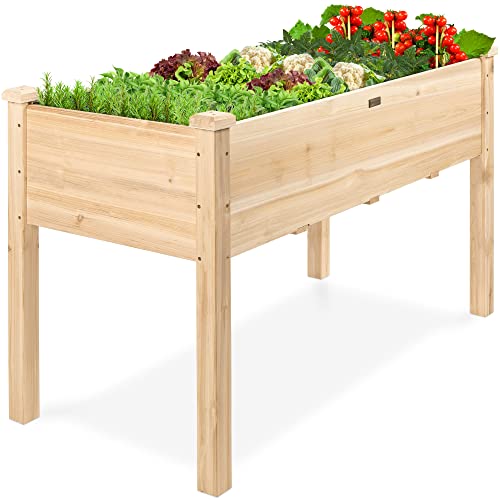
LARGE PLANTING SPACE: Designed with a long bed space (5CuFt) deep enough to provide your plants and vegetables with ample room to breathe and grow healthy

Superior Drainage & Included Liner: Equipped with drainage holes and gaps, the raised planter box will prevent water accumulation and promote air circulation to foster robust root development. In addition, the included bed liner prevents soil loss, enables optimal drainage, and blocks weed growth.
Related Topics
wooden planter boxes
urban gardening
sustainable gardening
DIY planter boxes
rustic garden decor
raised garden beds
wooden garden containers
beginner friendly
outdoor gardening
eco-friendly projects
seasonal planting
easy DIY