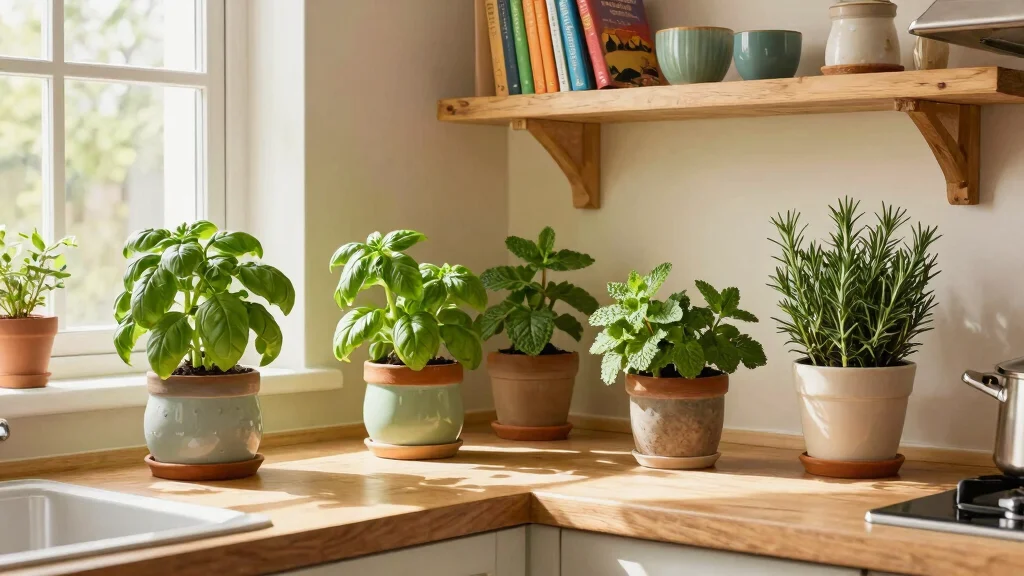
Whether you’ve just moved into a new place or are looking to refresh your cooking space, creating an indoor herb garden can bring a touch of nature indoors. Growing your own herbs not only enhances your meals but also adds a charming, green aesthetic to your kitchen. I made this post because I believe that everyone deserves the joy of having fresh herbs at their fingertips, especially if you’re limited on space.
If you’re a food lover, a home chef, or simply someone who enjoys a little greenery, this post is for you. You might be short on space but still crave that garden-fresh flavor in your cooking. You’ll find a variety of creative herb planter ideas that suit even the smallest of kitchens, from wall-mounted gardens to unique repurposed containers. These solutions are not only practical but also fun to implement, giving you the chance to flex your creativity.
Here, you’ll discover 11 innovative herb planter ideas that are simple, stylish, and perfect for making the most of small spaces. Each option is designed to inspire you to cultivate your indoor kitchen herb garden, ensuring your culinary adventures are full of delicious flavors and vibrant aromas. Let’s dig into these ideas and see how you can bring your kitchen to life!
Key Takeaways
– Discover Creative Planters: Explore 11 diverse ideas that allow you to grow herbs in small spaces, ensuring you maximize your kitchen’s potential.
– Space-Saving Solutions: Learn about vertical herb gardens and wall-mounted planters, designed to save counter space while adding beauty to your kitchen.
– DIY Options: Get inspired by repurposed containers and DIY bottle planters, perfect for those who love crafting and sustainability.
– Smart Gardening: Consider high-tech options like smart indoor gardens and hydroponic systems that make herb growing even easier and more efficient.
– Self-Watering Planters: Understand the benefits of self-watering planters, which help keep your herbs thriving with minimal effort on your part.
Recommended Products
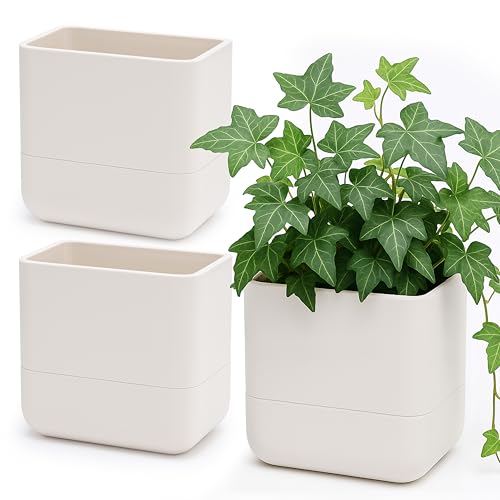
Space-Saving Greenwall Design: Maximize your space and create a stunning green wall with this self-watering wall planter. Perfect for freeing up floor and wall space, this planter keeps your plants within easy reach and adds a vibrant touch to your home or office. Perfect for creating a vertical green wall at home or the office.

Narrow Small Space Solution: Short on ground area but want fresh greenery? This vertical wall mounted planter features an ultra-slim layout (9.8" width, 5.1" depth) tailored to turn awkward blank surfaces, kitchen backsplashes, narrow apartment balcony pillars, and vinyl fences into thriving vertical gardens without taking up floor space.
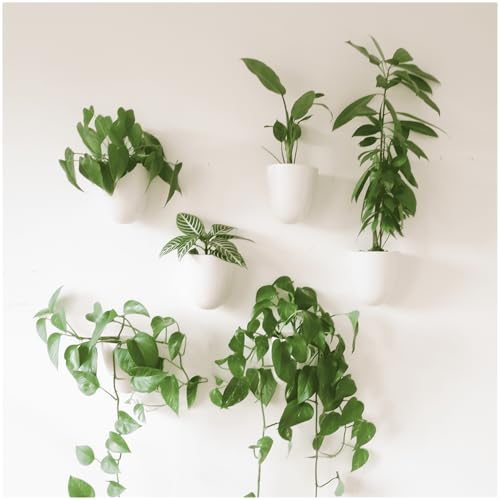
Self-watering system means you can often go weeks without watering plants
1. Wall-Mounted Herb Garden

Are you looking to spice up your kitchen while saving space? A wall-mounted herb garden is the perfect solution! Not only does it free up valuable countertop area, but it also transforms your wall into a vibrant display of greenery. You can easily attach small pots or mason jars to a stylish wooden board or opt for pre-made wall planters.
This setup offers you direct access to fresh herbs while ensuring they receive plenty of light. Imagine having fragrant thyme, zesty cilantro, and crisp chives just a reach away. Choose herbs that thrive under similar conditions for the best results and position your garden near a sunny window for maximum growth.
Recommended Products

【Metal Material】The corner plant stand is made of high strength wrought iron, make it strong and durable. Surface electrostatic painting process, anti-corrosion, rustproof, that holds weight up to 80 lbs. Non-slip feet will protect your floor from scratches and reduce noises when moving.
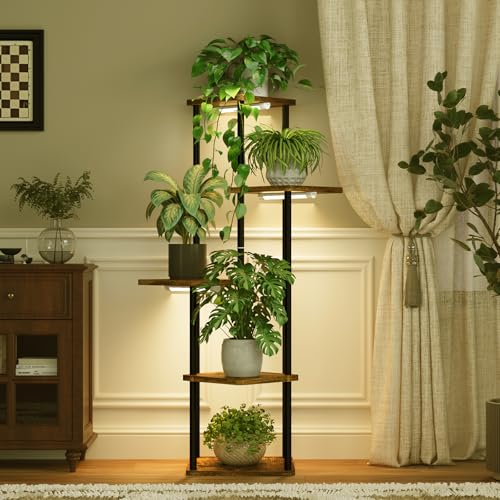
Plant Stand with Grow Light: This plant stand features 3 timer settings (3H/9H/12H) and 10 adjustable brightness levels to support plants at every growth stage—ideal for seedlings, succulents, herbs, or medium-sized houseplants. It's 3 independent LED bars allow customizable lighting per shelf, ensuring optimal growth for each plant.

WATERPROOF ANTI CORROSION The 3 tier plant stand is made of high quality iron, the matte powder coated tubular will not rust or Waterproof, easy to clean and can be used indoors or outdoors
2. Tiered Plant Stand
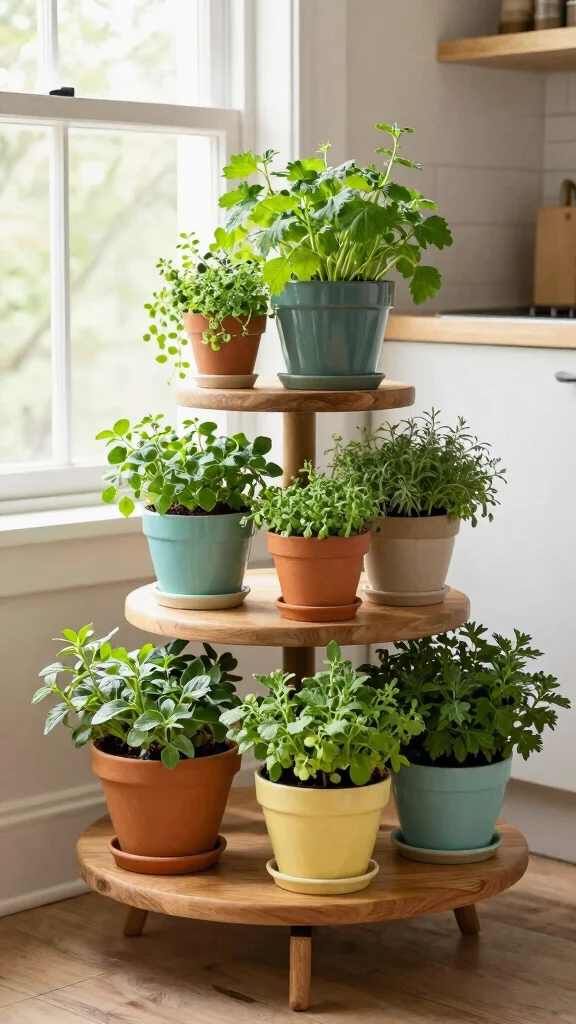
Want to elevate your herb game? A tiered plant stand brings the garden right to your kitchen countertop! This charming stand allows you to showcase multiple pots, creating an inviting multi-level herb display. It’s not just beautiful; it also enhances visibility for each herb variety.
Select a wooden or metal stand that fits your kitchen vibe, and fill it with aromatic favorites like parsley, dill, and oregano. The tiered design ensures good airflow and light for healthy growth. Group herbs that enjoy similar conditions and rotate them regularly to ensure they all soak up that glorious sunlight. Choose lightweight pots to maintain stability and prevent tipping.
“Tiered plant stands turn cramped counters into a mini herb garden—quick access to parsley, dill, and oregano right where you cook. With multiple levels, airflow and light improve, so your herb planter ideas stay vibrant and ready to snip.”
Recommended Products

Space-Saving Tomato Planter with Trellis: Integrated with rust-resistant stainless steel rods that support tomatoes, cucumbers, beans, and climbing plants; the planter box has 10.6 x 10.6 x 7.3 inch internal dimensions and can hold 3.5 gallons of soil, ideal for patios, balconies, decks, and small gardens
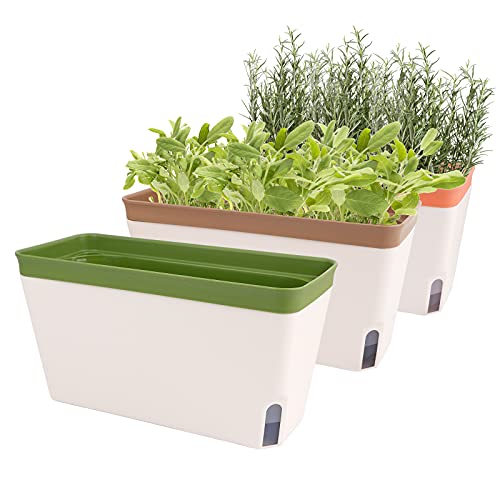
SELF-WATERING PRINCIPLE: Through two absorbent cotton ropes, the self watering pots provide water to the soil and keep the soil moist through the principle of osmosis, without having to water the plants regularly. Even if you leave home for a few days, it can help you take care of the plants and avoid plants die from water shortage.

EFFICIENT & INTELLIGENT: LED Grow Lights are a better alternative to sunlight in terms of stability and planting results, even surpassing natural light in terms of stability and planting results. Soil-grown planters with full-spectrum grow lights are often more efficient than traditional planters.
3. Hanging Herb Planters
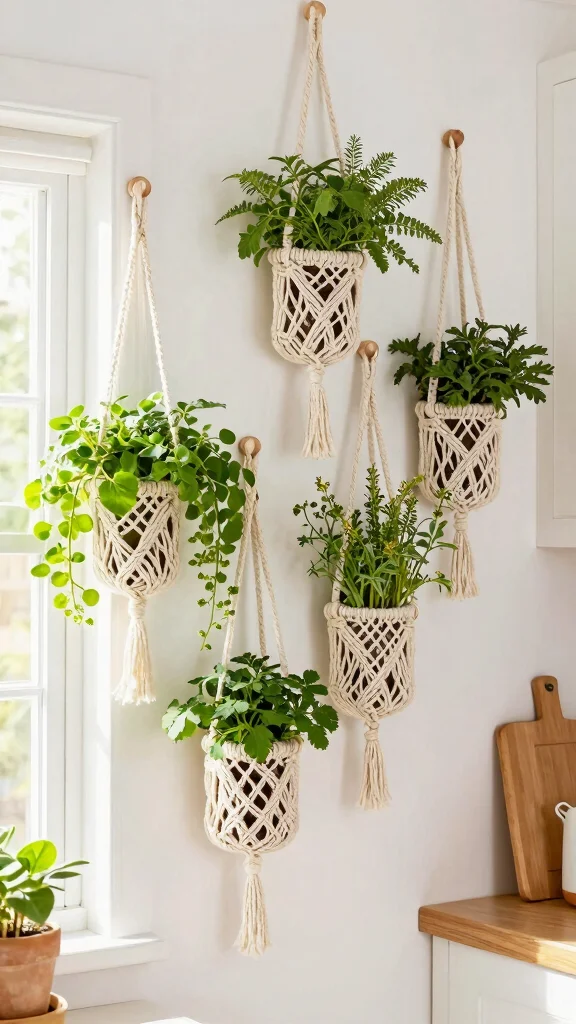
Looking to add a touch of whimsy to your kitchen? Hanging herb planters are a stylish and space-saving option! You can use macramé plant hangers for a boho feel or sleek metal baskets for a modern twist. Herbs like mint, basil, and trailing thyme flourish in these hanging setups, getting light from all angles.
Not only do they add beauty, but they also promote healthy growth. Make sure to secure them in a spot where they won’t sway too much and are easy to access for snipping. Opt for lightweight potting soil to keep your herbs happy without straining the hangers.
Fun Fact: Hanging herb planters save up to 40% more countertop space, letting mint, basil, and thyme thrive in small kitchens. Pro tip: try macramé for boho vibes or metal baskets for a modern touch—these herb planter ideas for small spaces, so place them where light hits from all angles.
4. Repurposed Containers
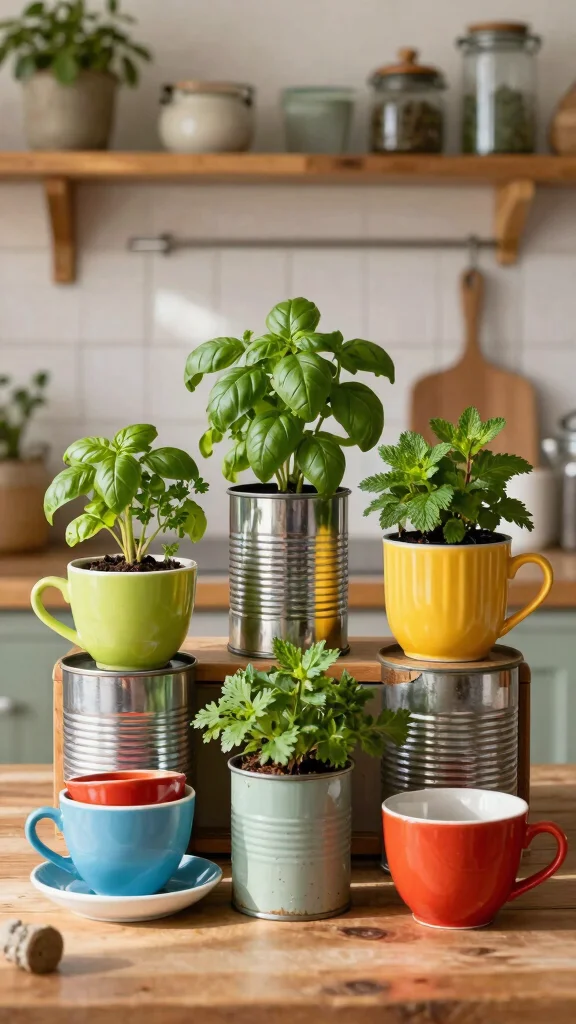
Ready to get creative? Repurposed containers are a fun and eco-friendly way to grow herbs! From vintage teacups to tin cans, almost any container can become a charming planter. This approach not only saves money but also adds a personal touch to your kitchen.
Gather mismatched containers and arrange them on a sunny windowsill or kitchen shelf, featuring herbs like sage, chives, or even small pepper plants. The quirky charm of upcycled items gives your garden character. Just be sure to drill drainage holes for containers that lack them, as your herbs prefer not to sit in soggy soil.
Recommended Products
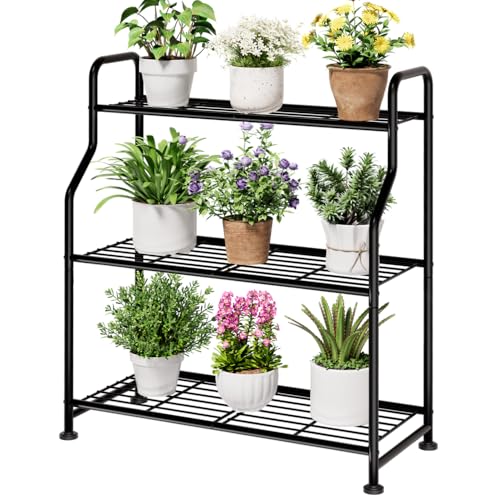
LARGE 3-TIER STORAGE SPACE: Measuring 27 × 11.4 × 29.3 inches, this spacious tiered plant stand provides generous room for potted plants, herbs, succulents, or decorative items of various sizes. The open mesh plant stands design promotes better air circulation and water drainage, keeping your plants vibrant and healthy while maintaining a tidy and organized display area indoors or outdoors.

【Indoor Plant stand】: Raised your lively plants in an higher place and settled it in your corner, made it attractive and eye-catching in your home. Tiered plant stand indoor in simple and natural design is suitable for all kinds of small spaces, placed in your bedroom, living room, sofa corner, hallway, and turns your boring small space into a vibrant and elegant scenery. It's widely used indoor with movable wheels.

【𝟑 - 𝐌𝐢𝐧𝐮𝐭𝐞 𝐄𝐚𝐬𝐲 𝐀𝐬𝐬𝐞𝐦𝐛𝐥𝐲】 No screws needed! Just follow the clear instruction manual, and you can set up the plant stand indoor quickly, even without prior DIY experience. Finally, enhance the aesthetic of your space with plants on this tiered plant stand
5. Mini Greenhouse
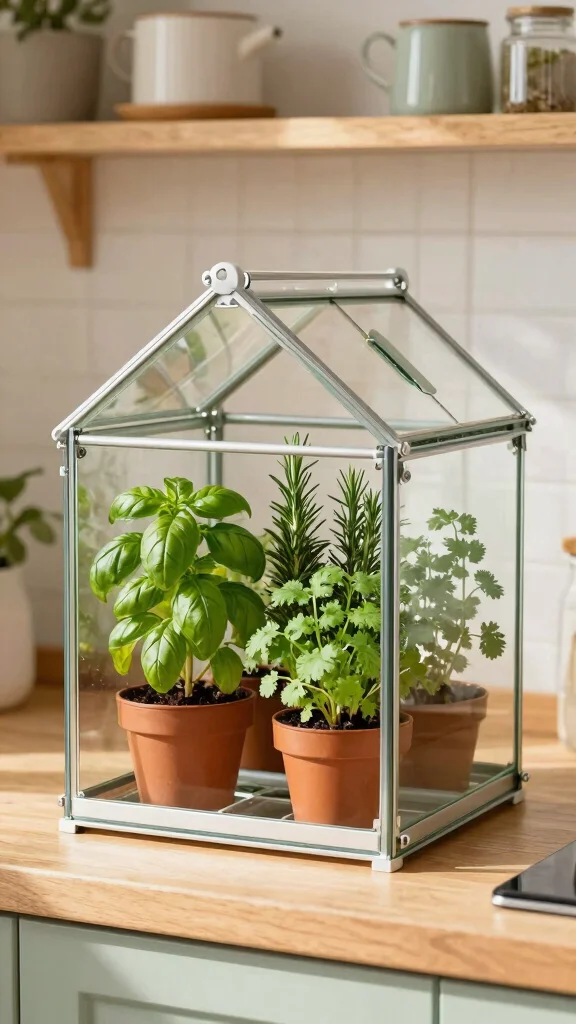
Want to create a cozy environment for your herbs? A mini greenhouse is just what you need! This compact solution allows you to control humidity and temperature, making it perfect for cooler climates or extending your growing season.
Place it on your countertop or windowsill and fill it with heat-loving herbs like basil, cilantro, and rosemary. The transparent cover lets in plenty of sunlight while protecting your plants from drafts. With a mini greenhouse, you can enjoy fresh herbs all year long! Just remember to ensure proper ventilation to avoid excess moisture and mold.
Recommended Products

DIMENSIONS: 32. 3 in. L x 14. 7 in. W x 30. 7 in. H

Yarlung 6 pack self watering planters, measure 5''L x 5''W x 4.3''H, white external pot, black internal 4.7''L x 4.7''W x 4''H. Made of durable plastic materials, unbreakable, it will not leak water on your tables, floors or indoor garden. Square lovely plant pots are perfect for holding and displaying orchid, herb, succulent, cactus, aloe and flowers, decorate your living space
6. Hydroponic Herb Garden
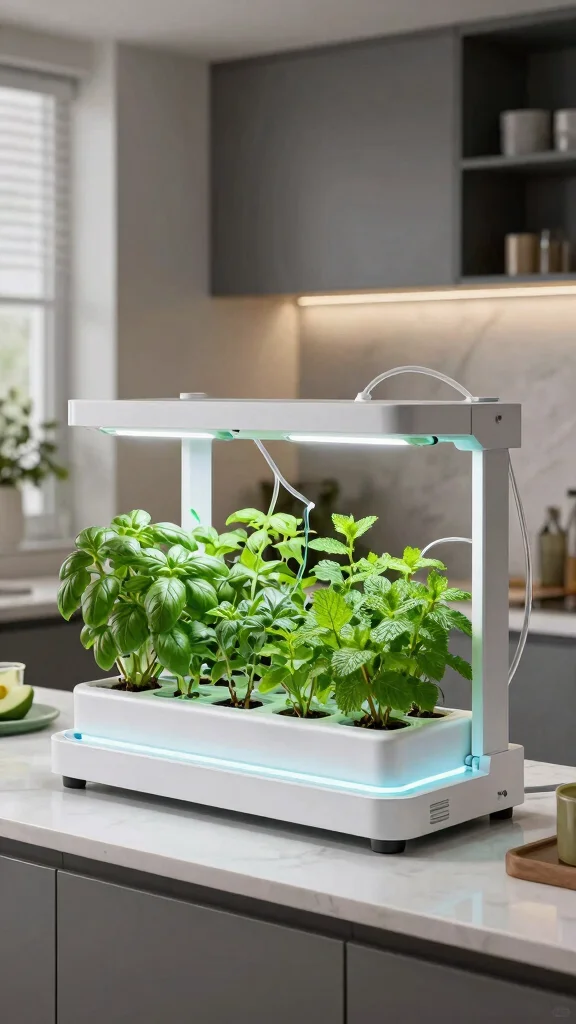
Looking for a modern gardening method? A hydroponic herb garden could be your new favorite! This innovative approach uses nutrient-rich water instead of soil, allowing you to grow fresh herbs right in your kitchen.
Hydroponic systems range from small countertop units to larger vertical setups. Common herbs for this method include mint, basil, and chives, which thrive in these nutrient solutions. Not only do they grow faster, but you also avoid the mess of soil! Just keep the nutrient solution balanced to ensure your hydroponic garden flourishes.
Recommended Products

High planting efficiency: Start an indoor herb garden with the Ahopegarden hydroponic growing system, which includes a water reservoir, an overhead LED grow light, and a circulation system that keeps the water fresh. The hydroponic setup and lighting systems allow plants to grow up to faster and healthier in controlled conditions. Simply add plant seeds, water, and nutrients to the reservoir and watch the plants grow

PATENTED SMART HYDROPONIC SYSTEM: Take your indoor gardening to the next level with our patented smart hydroponic system, featuring the exclusive LetPot app. With just a few taps on your phone, you can effortlessly adjust the 0-24 hours LED lighting schedule to provide your plants with the perfect amount of light and precies on/off time. Our innovative reminder system also ensures you never forget to water your plants again, making growing healthy and vibrant plants easier than ever before.

High planting efficiency: Start an indoor herb garden with the Ahopegarden hydroponic growing system, which includes a water reservoir, an overhead LED grow light, and a circulation system that keeps the water fresh. The hydroponic setup and lighting systems allow plants to grow up to faster and healthier in controlled conditions. Simply add plant seeds, water, and nutrients to the reservoir and watch the plants grow
7. Window Sill Planters
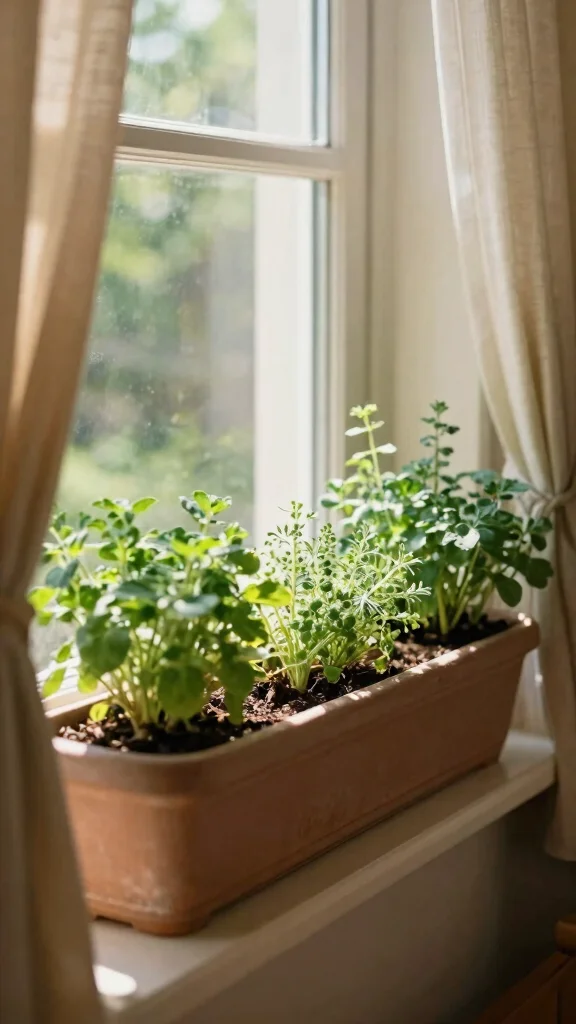
Maximize your sunlit window with window sill planters! These narrow planters are designed to fit perfectly on your sill, giving you easy access to fresh herbs while soaking up sunlight. You can choose from traditional rectangular planters or individual pots for a more eclectic look.
Great options for window sill gardening include parsley, cilantro, and basil, which thrive in direct sunlight. This setup not only enhances your cooking but also brightens up your home. Remember to rotate your pots every few weeks to ensure even growth and prevent your herbs from leaning towards the light.
Window sill planters turn tiny spaces into herb havens. Parsley, cilantro, and basil thrive in direct sun, and rotating them weekly keeps flavors bright. These compact setups prove you don’t need a yard to grow fresh herbs.
Recommended Products

Comprehensive 12 Piece Set: this hydroponic herb planting kit provides a comprehensive 12-piece set, includes 12 mason jars, 12 planting baskets, 12 pre-seeded growing plugs, and 12 water absorbent cores to meet all your planting needs

Avant-garde and modern design: Our smart hydroponics growing system kit merges urban farming innovation with minimalist aesthetics. Crafted from durable ABS, its 17" space-saving profile features an LCD touchscreen for one-touch control, perfect for tech-savvy gardeners or as a unique gift. The integrated full-spectrum panel adapts seamlessly to indoor hydroponics, blending functionality with sleek vertical farming appeal.

8. Smart Indoor Garden
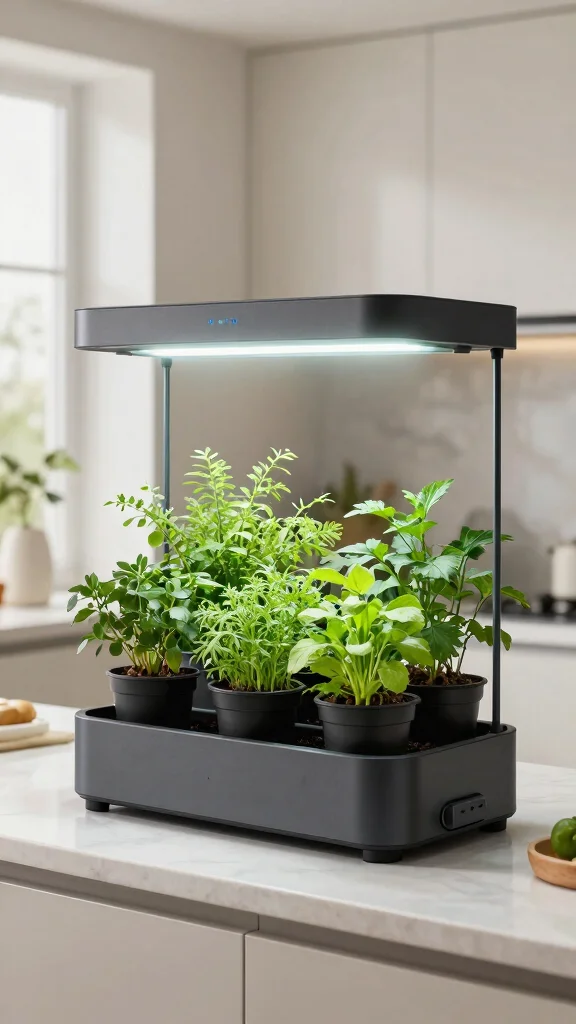
Step into the future with a smart indoor garden system! These high-tech planters come with LED grow lights and automated watering systems, making herb gardening a breeze. Perfect for busy folks, these systems let you cultivate a variety of herbs with minimal effort.
You can grow herbs like basil, mint, and even peppers in a compact setup, ensuring they receive all the nutrients and light they need. Smart indoor gardens are perfect for those who want fresh herbs without the hassle. Just keep an eye on water levels and nutrient solutions to keep your plants thriving.
Recommended Products
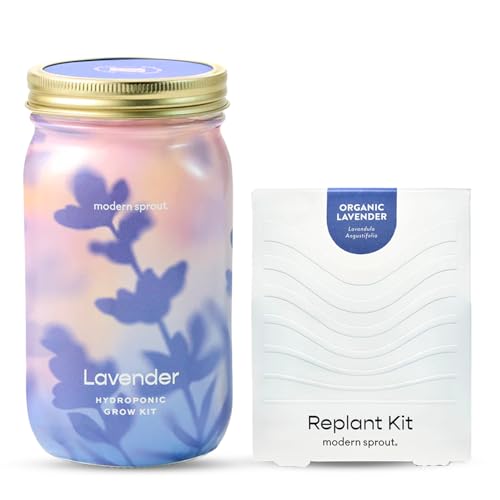
Dual-Purpose Indoor Herb Growing Kit: What starts as a stylish accent with a sleek, recyclable mason jar quickly becomes a flourishing hydroponics growing system kit; Designed to bring fresh greenery into any indoor space, it transforms countertops, desks, windowsills, or shelves into lively green corners - providing fresh lavender seeds growth for months; Bundle includes the Replant Kit so you can grow again without buying a new jar
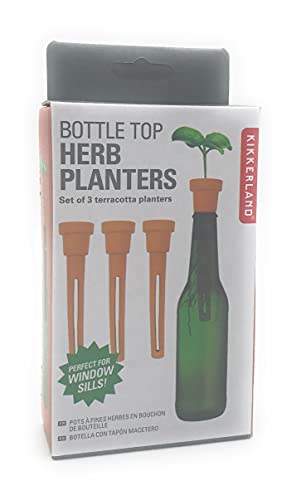
Fill with soil seeds|Growing herbs was never easier|Set of 3 terracotta planters|Perfect for window sills|Product: dia. 3 x 15 cm

Dual-Purpose Indoor Herb Growing Kit: What starts as a stylish accent with a sleek, recyclable mason jar quickly becomes a flourishing hydroponics growing system kit; Designed to bring fresh greenery into any indoor space, it transforms countertops, desks, windowsills, or shelves into lively green corners - providing fresh basil seeds growth for months; Bundle includes the Replant Kit so you can grow again without buying a new jar
Key Trade-offs & Our Top Pick
1. Wall-Mounted Herb Garden
– Pros:
✔ Saves floor space by utilizing vertical space.
✔ Adds a decorative element to your kitchen decor.
✔ Easy access to herbs while cooking.
– Cons:
🚫 Limited space for larger plants.
🚫 Requires wall mounting, which might not be suitable for all kitchens.
🚫 Potential for water damage on walls if not properly maintained.
– Best for: Small kitchens with limited floor space seeking a stylish herb solution.
2. Tiered Plant Stand
– Pros:
✔ Maximizes vertical space for several herbs.
✔ Can be moved easily to catch optimal sunlight.
✔ Provides a pleasing aesthetic in the kitchen.
– Cons:
🚫 Takes up more floor space compared to wall-mounted options.
🚫 May require frequent watering depending on the number of plants.
🚫 Plants on the top tier may not receive enough light if placed too far from windows.
– Best for: Those who want to grow multiple herbs while keeping their kitchen organized.
3. Hydroponic Herb Garden
– Pros:
✔ Grows herbs without soil, reducing mess.
✔ Can grow herbs indoors all year round.
✔ Often features automated systems for easy care.
– Cons:
🚫 Higher initial investment compared to traditional planters.
🚫 Requires knowledge of hydroponics for best results.
🚫 Electricity usage for automated systems can increase energy bills.
– Best for: Tech-savvy gardeners looking for a modern, efficient way to grow herbs.
4. Self-Watering Planters
– Pros:
✔ Reduces the frequency of watering, great for busy people.
✔ Helps prevent overwatering, leading to healthier plants.
✔ Available in various styles to fit any kitchen design.
– Cons:
🚫 May not provide enough drainage for certain herbs.
🚫 Requires regular checking of the water reservoir.
🚫 Some models can be bulky, taking up countertop space.
– Best for: Busy individuals who want to maintain a kitchen herb garden without constant attention.
5. DIY Bottle Planters
– Pros:
✔ Eco-friendly option that recycles plastic bottles.
✔ Highly customizable to fit your style and space.
✔ Inexpensive and can be made from materials you already have.
– Cons:
🚫 May not provide enough depth for larger root systems.
🚫 Requires some crafting skills and time to set up.
🚫 Can be less visually appealing if not designed well.
– Best for: Creative individuals looking to express their gardening style while being eco-conscious.
Expert Recommendation:
Best Overall: Wall-Mounted Herb Garden
The wall-mounted herb garden is our top pick for most people. It combines style with functionality, making it an excellent choice for those with limited space. You can easily access your herbs while cooking, keeping everything organized. This option holds great value for money, and its durability ensures you can enjoy fresh herbs for years to come.
Why We Picked This:
While the wall-mounted herb garden is our favorite, some may prefer the tiered plant stand for its ability to showcase multiple herbs or the hydroponic garden for its innovative approach. Each option has its unique benefits and drawbacks, so consider your space, lifestyle, and personal preferences to find the best fit for your kitchen garden!
9. Self-Watering Planters
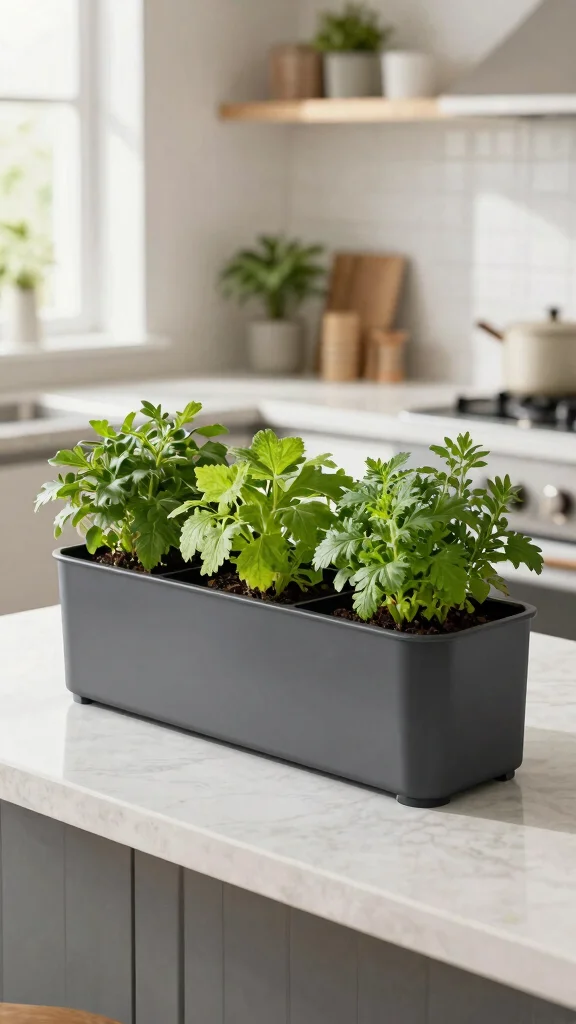
Tired of worrying about watering your herbs? Self-watering planters are the answer! These innovative designs come with a reservoir that allows plants to draw water as needed, making them ideal for busy lifestyles.
Available in various styles, from charming ceramic pots to sleek modern designs, these planters help keep your herbs hydrated and healthy. Perfect for parsley, mint, and basil, self-watering options help prevent overwatering, a common issue in indoor gardening. Just remember to check the reservoir regularly to ensure optimal growth.
10. DIY Bottle Planters
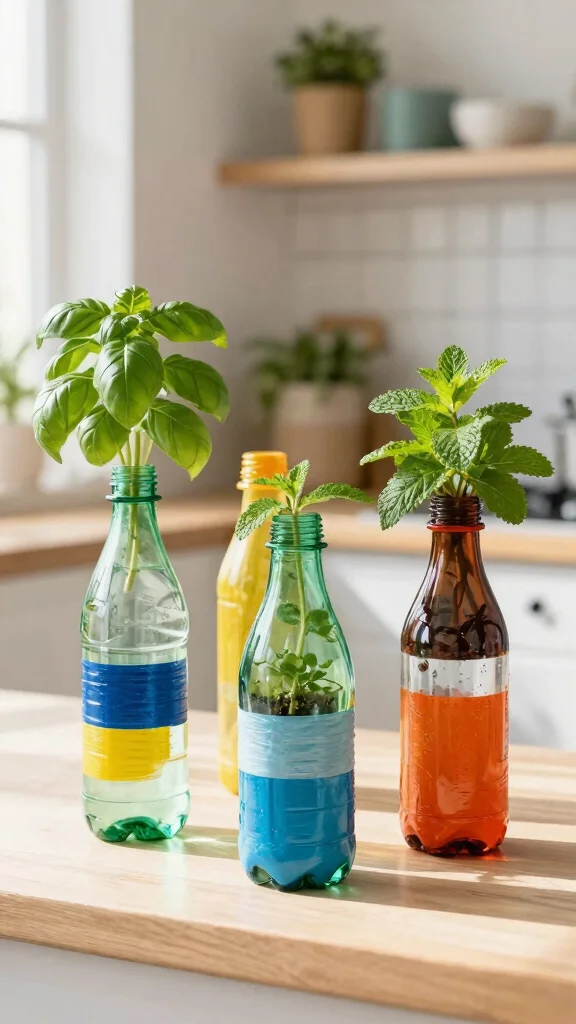
Unleash your creativity with DIY bottle planters! Using recycled plastic bottles, you can craft unique planters perfect for small spaces. Simply cut the bottles in half, fill them with soil, and plant your favorite herbs. For a fun visual effect, consider hanging them vertically!
This sustainable option not only benefits the planet but also lets you customize your planters’ look. Herbs like basil, oregano, and mint thrive beautifully in these containers. Get creative with colorful spray paint or washi tape to add a vibrant touch to your bottle planters.
11. Ceramic Herb Pot Set
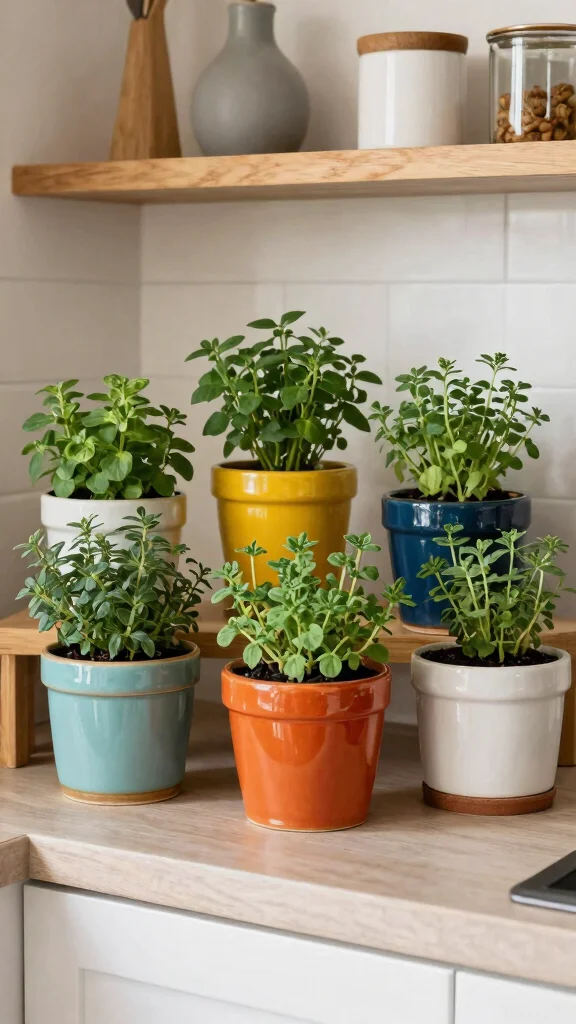
Looking for a classic touch? A ceramic herb pot set is a timeless addition to your kitchen! These pots come in a variety of colors and designs, complementing your kitchen’s aesthetic beautifully. Make sure to choose a set with drainage holes to keep your herbs thriving without waterlogging.
Ceramic pots allow for adequate air circulation and moisture retention, making them perfect for herbs like rosemary, parsley, and thyme. Plus, they can double as decorative pieces in your kitchen, adding charm to any space. Consider using plant saucers beneath the pots to catch excess water and protect your surfaces.
Conclusion
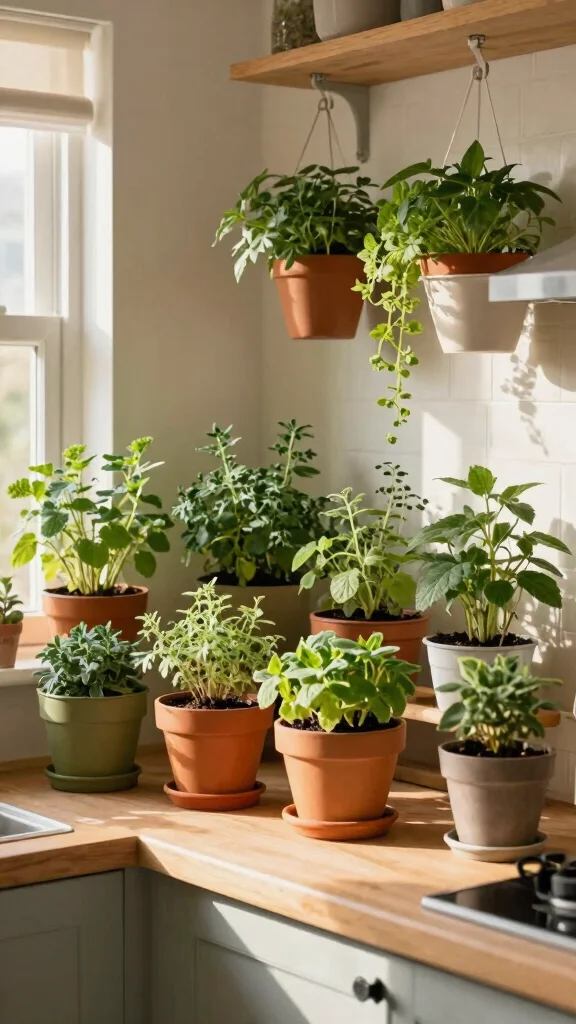
Creating an indoor herb garden is a delightful way to bring fresh flavors and greenery into your home.
With these 11 herb planter ideas, you can find options that fit your space and style, whether it’s a small countertop or a sunny window sill.
Consider experimenting with different types of planters and herbs to find the perfect combination that works for you.
Note: We aim to provide accurate product links, but some may occasionally expire or become unavailable. If this happens, please search directly on Amazon for the product or a suitable alternative.
This post contains Amazon affiliate links, meaning we may earn a small commission if you purchase through our links, at no extra cost to you.
Frequently Asked Questions
Question: What are the top herb planter ideas for a small kitchen garden?
Answer: For a small space kitchen garden, start with herb planter ideas that maximize stacking and accessibility.
Pick compact, high-yield herbs such as basil, parsley, chives, thyme, and oregano. Use indoor herb planters that fit your counter or a sunny sill, with drainage holes and a light, well-draining potting mix. Use shallow, wide containers for leafy herbs and consider a rolling cart or wall-mounted shelves to free counter space. Place planters on a sunny window or under a bright grow light to meet the kitchen herb garden needs. Group herbs by light tolerance and harvest often to keep plants productive. For care, water when the top inch of soil dries, avoid soggy roots, and rotate pots so every herb gets light.
Question: How can I turn a windowsill into a functional kitchen herb garden using indoor herb planters?
Answer: Turning a windowsill into a thriving kitchen herb garden is easy with indoor herb planters and smart placement.
Step 1: pick 2–3 culinary herbs you reach for most, like basil and parsley; thyme and mint do well too (mint in its own pot helps containment). Step 2: choose planters that fit your sill and have drainage. Step 3: use a quality herb potting mix and water evenly. Step 4: position on a south- or east-facing window for 4–6 hours of light (or add a grow light). Step 5: label each pot and establish a simple harvest routine. Step 6: consider a small self-watering container to reduce daily checks. With these container gardening ideas, you’ll have a thriving kitchen herb garden without clutter.
Question: Which herbs thrive in indoor planters for small space gardening, and how can I prevent them from getting leggy?
Answer: The herbs that typically thrive in indoor planters for small space gardening are basil, parsley, chives, thyme, oregano, and mint (in a dedicated pot to keep mint contained). Cilantro can be temperamental indoors and may bolt. Pick compact varieties when possible. To prevent leggy growth: trim back stems regularly, pinch tips to encourage branching, and rotate plants so they get light on all sides. Ensure you have bright light (4–6 hours) or supplement with a grow light. Keep soil evenly moist but not soggy and use a well-draining potting mix. Harvest leaves frequently to promote denser growth.
Question: What are the best vertical herb garden options for apartments and other compact homes?
Answer: For vertical herb garden setups in apartments and small homes, options include wall-mounted planters, tiered shelving, hanging pockets, and repurposed items like shoe organizers or seed trays. Steps: 1) Mount a sturdy, water-safe frame where sunlight hits; 2) install drainage trays; 3) choose uniform soil and herbs; 4) place a grow light if natural light is limited; 5) water and feed as needed. Pros: wall-mounted planters save space; hanging pockets are great for light herbs; vertical towers maximize variety in a tiny footprint. Pair with smart container gardening ideas to boost yields while keeping things tidy.
Question: How often should I water and fertilize my indoor herb planters to keep a thriving kitchen herb garden?
Answer: Watering depends on light, pot size, and season. Check soil moisture daily in warm months and water when the top inch feels dry, ensuring good drainage. In hot, sunny periods, you may need to water every day or every other day; in cooler months, less frequent watering is fine. Use a well-draining potting mix and avoid letting roots sit in water. Fertilize with a balanced, water-soluble fertilizer every 3–4 weeks or monthly at half strength. Signs you’re under-watered include drooping leaves; signs of overwatering include yellowing leaves and mushy stems. Tailor watering and feeding to each herb and your space for a thriving kitchen herb garden.
Recommended Products

Fresh Herb Keeper for Preservation: This fresh herb keeper is designed to extend the freshness of your herbs by up to 10 days, ensuring vibrant flavors for your dishes

🌱【 Window Sill 】 Our sleek steel indoor herb planter enhances home decor. This set includes planters and a matching tray, but herbs and seeds are not included. Featuring a leather handle for easy carrying, you can move your herbs to adjust for sunlight or decor needs.

An indoor herb garden:Our herb planter is the perfect solution for creating an indoor herb garden. It is a planter set with a tray, and it does not include plants and seeds. These planters are designed specifically for herbs and are suitable for indoor or outdoor use. Made of durable metal with a glossy white finish, they are not only functional but also add a farmhouse touch of style to your space.
Related Topics
herb planter ideas
kitchen herb garden
indoor herb planters
vertical herb garden
small space gardening
container gardening ideas
easy gardening
urban gardening
DIY herb planters
beginner friendly
sustainable gardening
decorative planters