
Gardening is a beautiful way to connect with nature, but sometimes, space can be a real challenge. If you’re like me, you might find yourself craving a lush garden but feeling limited by a small yard or apartment balcony. That’s why I created this post—to share some inspiring and creative planter box ideas that maximize your vertical space and bring greenery right to your fingertips.
Whether you’re a seasoned gardener or just starting, this collection is perfect for anyone interested in cultivating their own little oasis in a compact area. If you love DIY projects or simply want to add some charm to your outdoor space, you’ll find plenty of ideas here that can transform your area into a vibrant garden haven.
In this post, you’ll discover 14 awesome planter box ideas that are not only functional but also stylish. Each idea offers a unique way to display your plants, making it easier than ever to enjoy your gardening passion. From rustic wooden creations to modern geometric designs, there’s something here for everyone. Let’s dive into these creative builds and see how you can elevate your gardening game!
Key Takeaways
– You can create a stunning garden in small spaces using vertical planter box ideas that save floor space.
– Each planter box design is easy to build, which means you don’t need to be a master carpenter to enjoy these DIY projects.
– Consider using recycled materials, like pallets and bottles, to create eco-friendly and budget-friendly planters.
– Vertical gardening solutions, like wall-mounted boxes and hanging planters, enhance your outdoor decor and provide fresh herbs and flowers at your fingertips.
– Incorporating these creative planter designs can bring charm, color, and life to your outdoor spaces while maximizing their potential.
Recommended Products
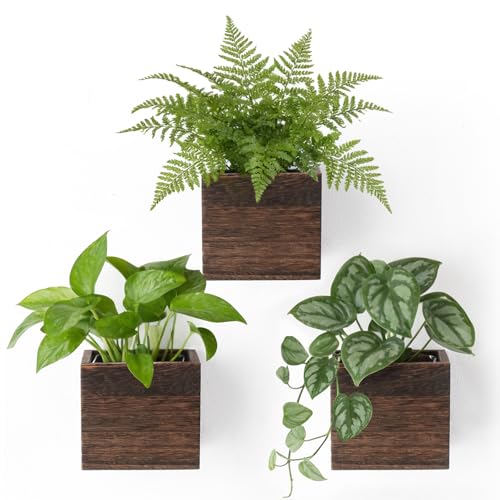
Complete Set & Ready to Use: A set includes 3 wooden square flowerpots and 3 transparent plastic boxes (Note: Plants are not included). The size of the wooden flowerpot is 4''×4''×3.5", and the size of the transparent plastic box is 3.1''×3.1". It comes with all the necessary accessories and can be used after simple installation

Stylish Living Wall Plant Décor: Vertical gardening is a fundamental technique to maximize space in small areas. This decorative hanging wall planter is perfect for small spaces, balconies, or patios. Essential use both indoors and outdoor.

INSTANT VERTICAL GARDEN: Transform any space into a lush vertical garden with this ready-to-use wall-mounted planter. Enjoy fresh herbs, vibrant succulents, or beautiful flowers effortlessly – no assembly required! Perfect for small apartments, patios, balconies, or any area where floor space is limited. This sleek indoor wall planter lets you maximize your greenery vertically.
1. Rustic Wooden Ladder Planter
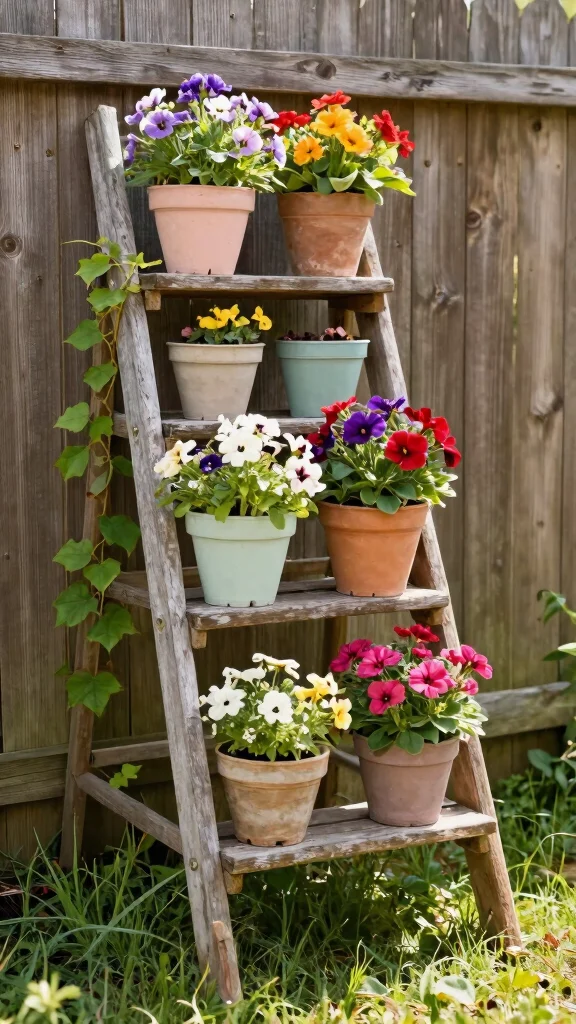
Looking for a charming way to elevate your garden’s appeal? A rustic wooden ladder planter adds height and character effortlessly. By repurposing an old ladder, you can customize it with your favorite stains or paints, making it a unique addition to your space. Fill each rung with an assortment of plants, from lush trailing vines to vibrant potted succulents, creating an eye-catching display.
Start by sourcing an old ladder, giving it a good sanding for a smooth finish, and decide whether to keep it natural or add a splash of color. You can either secure small pots to the rungs or let them rest directly on the steps. This creative project not only serves as a functional planter but also becomes a stunning focal point in your garden.
Key benefits of this planter:
– Inexpensive and charming
– Ideal for compact spaces
– Encourages playful plant combinations
Make sure your ladder is sturdy enough to support your chosen pots. Applying a weather-resistant sealant can help protect it from the elements. Explore local thrift shops for hidden treasures or ask friends if they have an unused ladder to spare. This eco-friendly project showcases your personality while enhancing your gardening experience.
Recommended Products

Hanging storage bags with 5pockets, easy to organize your various small things such as phone, keys, cosmetics etc.

【36 Pocket Vertical Garden】Features 36 individual planting pockets, allowing you to grow herbs, flowers, succulents, strawberries, vegetables, and other plants while maximizing vertical space.

【Front Door Basket】The LGENHOOM hanging flower basket features a beautifully crafted design, perfect for showcasing dried flowers or plants at your doorstep. Its natural, Bohemian style adds charm and warmth, creating a welcoming atmosphere for your guests.
Difficulty Rating & Requirements
Overall Difficulty Rating: Medium
Creating vertical planter boxes offers a blend of challenges and rewards. This project is suitable for both novice and intermediate gardeners looking to enhance their space. While some designs are straightforward, others may require more advanced skills and tools.
Time Estimate: ⏱ Estimated time: 3-5 hours
– Planning and Design: 1 hour
– Gathering Materials: 1 hour
– Construction: 1-3 hours depending on complexity
Skill Requirements:
– Required Skills: Basic woodworking, measuring, and assembly skills
– Beginner-friendly: Yes
– Most designs can be tackled by beginners. Skills like using a saw or drill can be learned during the project, but more complex designs may need prior experience.
Tools & Materials Needed: 🧰 Essential items checklist
– Saw (Required): A handsaw or power saw for cutting wood.
– Drill (Required): For making holes and driving screws.
– Screws and Nails (Required): Essential for securing pieces together.
– Measuring Tape (Required): To ensure precise dimensions.
– Wood (Required): Choose durable, weather-resistant materials like cedar or redwood.
– Paint or Stain (Optional): For aesthetics and protection against the elements.
– Hinges (Optional): If you’re making a folding or movable planter.
– Planter Liners (Optional): To protect the wood from moisture and soil.
Step-by-Step Overview:
1. Planning and Design (1 hour): Sketch your vertical planter box design. Decide on dimensions and materials. This phase sets the foundation for your project and helps avoid mistakes later.
2. Gathering Materials (1 hour): Collect all necessary tools and materials based on your design. Make sure to double-check your lists to ensure you have everything before starting.
3. Construction (1-3 hours):
– Cutting Wood: Measure and cut wood according to your design.
– Assembly: Begin assembling the components. Secure using screws or nails as per your design.
– Finishing Touches: Sand sharp edges and apply paint or stain if desired.
Cost Comparison: Professional vs DIY:
Hiring a professional to build a custom vertical planter box can cost anywhere from $200 to $500, depending on design complexity and materials used. In contrast, DIY projects can be completed for about $50-$150, primarily based on materials. If you enjoy hands-on projects and have the time, building your own planter box is a rewarding way to save money and personalize your garden. If you’re unsure about your skills or need a custom design, hiring a professional might be the best route.
By assessing the difficulty, required time, skills, tools, and costs, you can better decide if a DIY vertical planter box is the right project for you. Happy gardening!
2. Vertical Pallet Garden
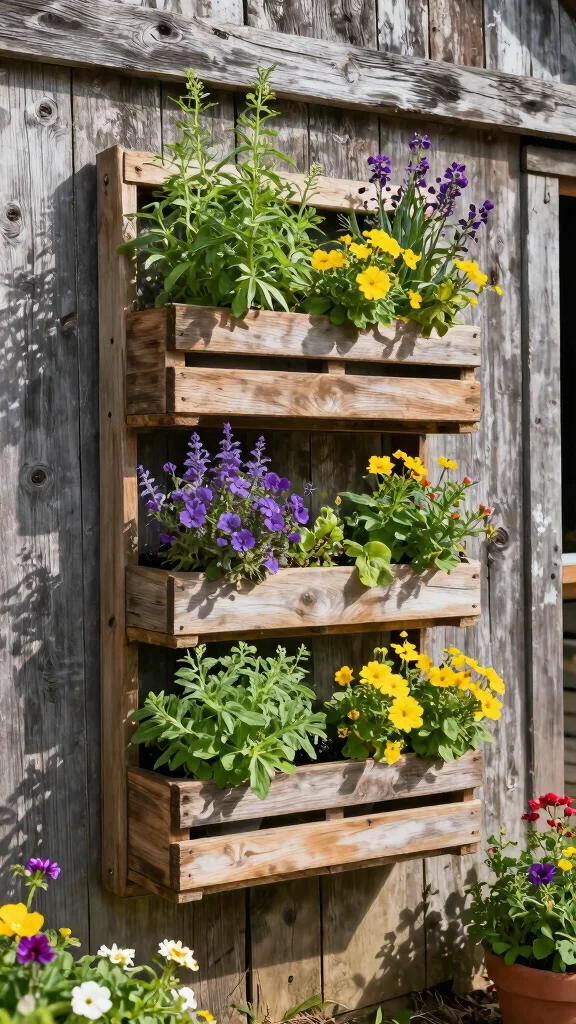
Want to transform a simple pallet into a stunning garden feature? A vertical pallet garden is not only visually appealing but also a smart solution for tight spaces. Whether you paint it bright colors or leave it rustic, it offers a unique way to showcase your favorite plants.
Creating your vertical pallet garden is straightforward. Lay the pallet flat and fill the slats with soil. If necessary, line the back with landscape fabric to keep the soil in place. Then, prop it up against a wall or fence, and plant your herbs or flowers in the gaps. This setup is perfect for growing kitchen essentials like basil, mint, and chives, providing easy access to fresh flavors.
Key steps to get started:
– Use recycled materials for an eco-friendly choice
– Plant herbs, flowers, or vegetables
– Add artistic flair to your garden
Remember to water your plants regularly, as vertical gardens can dry out faster. Rotating your plants ensures they receive adequate sunlight. Embrace this creative gardening method, and enjoy the beauty and practicality it brings to your outdoor space.
Recommended Products

4-PACK SET: 2 pack of horizontal planters (10" x 3" x 4.5") and 2 pack of vertical planters (4" x 2.5" x 9.5"). Check and pick the right size for your plants to prevent any unpleasant experiences and potential wastage of resources. Plants NOT included

4-PACK SET: 4x4x4 inch. Pick the right size for your plants to prevent unpleasant experiences and potential wastage of resources. These flower box provide a compact and versatile option for displaying your favorite plants or creating captivating centerpieces. Please check image for detailed dimension to prevent unpleasant experiences and potential wastage of resources. Plants NOT included.

Plant Wall: If you have a small balcony or a tiny patio, you know how important making space can be. Grow vertical; a wall planter is an excellent way to have a garden in your outdoor space while keeping your floor space.
3. Hanging Planter Boxes
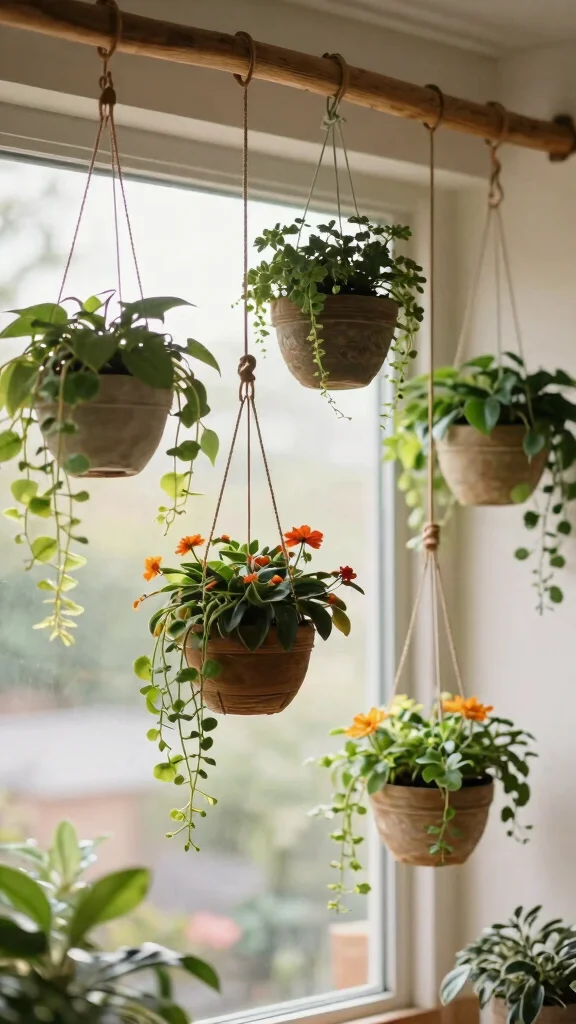
Are you looking for a unique way to utilize overhead space? Hanging planter boxes bring your gardening efforts to new heights, literally! These stylish planters can be hung from ceilings or walls, making the most of areas that often go unnoticed.
To create your hanging planter boxes, consider repurposing wooden crates or purchasing ready-made options. Attach sturdy hooks or chains to ensure they can support the weight of your plants. Perfect for trailing vines like pothos or ivy, this design adds a playful and lush element to your home.
Key benefits of hanging planters:
– Free up valuable floor space
– Create a dynamic layered look
– Showcase trailing plants beautifully
Ensure your hanging mechanism is secure to prevent accidents. Opt for lightweight materials to simplify installation. These hanging planters not only introduce greenery but also serve as artistic decor, allowing you to express your style in delightful ways.
4. Wall-Mounted Planter Box
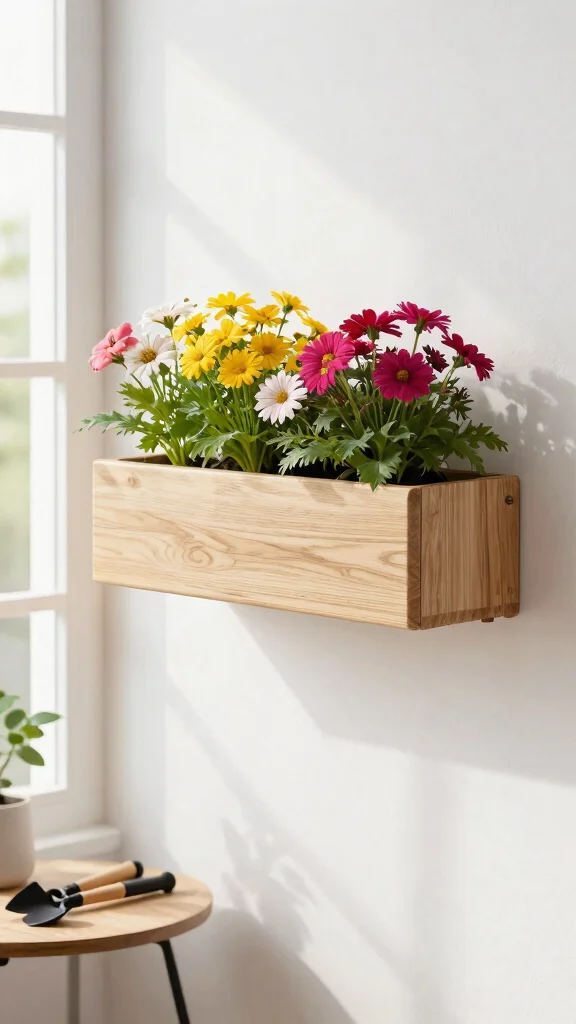
Want to make the most of your wall space? A wall-mounted planter box is a sleek, modern solution that seamlessly fits into any home décor. It offers a dedicated spot to showcase your favorite flowers or herbs, enhancing your living area’s aesthetics.
Select materials that align with your interior design, whether you prefer wood, metal, or ceramic. Use sturdy brackets to securely mount the box on the wall. Fill it with colorful blooms or aromatic herbs to create a delightful display that catches the eye.
Key advantages of wall-mounted planters:
– Saves precious floor space
– Delivers a contemporary aesthetic
– Simple installation and upkeep
Be sure to anchor the planter into wall studs for optimal security. Arranging plants by height creates a visually striking arrangement. Wall-mounted planters not only beautify your space but also spark interesting conversations, allowing you to showcase your unique style.
Recommended Products

MADE IN THE USA – SUPPORTS 3 SMALL BUSINESSES Proudly manufactured in the United States. Every Smart Spring planter purchased directly supports three small U.S. businesses, helping keep jobs and production local.

【3 Tier Raised Garden Bed】The vertical garden planter adopts a tiered design, so there is enough space to plant and divide vegetables, herbs, flowers, etc. Save a lot of space for you and keep your garden well organized.

Space-Saving : This strawberry planter maximizes your gardening space by stacking 5 layers to grow more plants in a compact area. The strawberry tower planter is ideal for patios, balconies, or indoor use
5. Tiered Planter Box
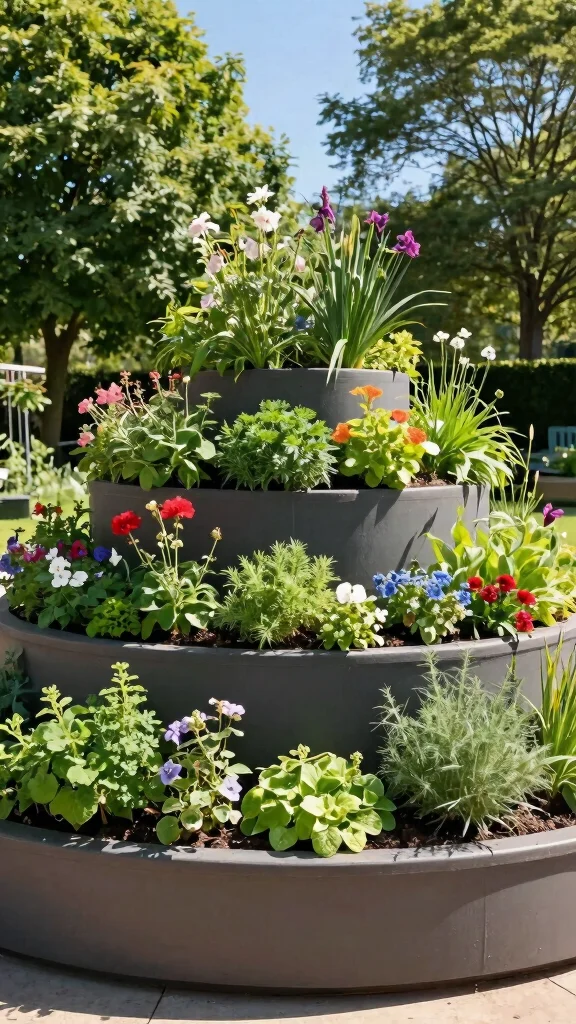
Ready to take your gardening to new heights? A tiered planter box maximizes vertical space while allowing various plants to flourish. This design is perfect for those who want to create a diverse garden with minimal ground area.
Building a tiered planter is simple; you can use stacked wooden crates or construct a custom frame. Ensure each tier is level for proper drainage, preventing water accumulation. Ideal plants for this setup include herbs, strawberries, and small blooms that add vibrant colors.
Key benefits of tiered planters:
– Perfect for growing multiple plant varieties
– Eye-catching addition to your garden
– Efficient use of limited space
Use high-quality soil to promote healthy plant growth. Regularly inspect for pests that might travel between tiers. Tiered planters are both functional and decorative, making them a fantastic choice for any indoor or outdoor setting.
Recommended Products

Galvanized Steel Structure: Engineered with a stable center brace, this planter maintains its shape and prevents bowing under the weight of heavy soil. Crafted from premium galvanized steel with sturdy hardware, it is built to reliably withstand outdoor weather conditions season after season.

Easy to Assemble: The galvanized garden beds outdoor manual includes a clear parts list and installation steps, which can save your time and assist you assemble the galvanized garden beds quickly.

What You Get: we have included Galvanized raised garden bed kit with detailed assembly instructions, rubber edge strips, safety gloves , wrench tools and with galvanized nuts and bolts in the box .These essential tools elevate your overall planting and gardening adventure
6. PVC Pipe Planters
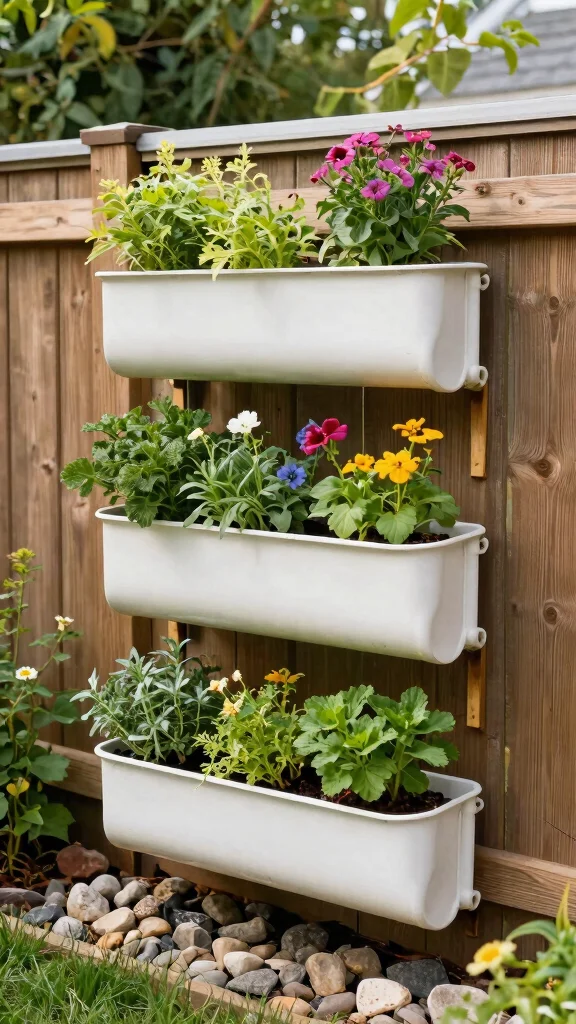
Looking for a budget-friendly and creative gardening solution? PVC pipe planters offer a fun way to embrace vertical gardening without breaking the bank. These versatile planters can be customized to fit your style, all while being highly functional.
Start by cutting sections of PVC pipe and attaching them vertically to a sturdy frame or fence. Each pipe serves as a pocket for plants, creating a dramatic visual display. Feel free to paint or decorate the PVC to match your home’s aesthetic.
Steps to create your PVC pipe planters:
– Cut pipes to desired lengths
– Drill drainage holes at the bottom
– Secure pipes vertically with brackets
– Fill with potting soil and plants
Keep in mind that these planters may require frequent watering due to their size. PVC pipe planters add a quirky touch to your gardening efforts, making them a standout feature in your garden.
Recommended Products

Wide Application: This plant stand is suitable for placing flowers, succulents, plants, and potted plants in gardens, balconies, flower shops, parks, and other places.

【Strong Load Bearing Capacity】: The sturdy material and triangular structure allow this product to carry a weight of 22.05 lbs, which ensures that it will not shake after placing plants or potted plants, and you can use it with confidence.

Set of 2 Wooden Planter Boxes: Includes two well-crafted wooden planter boxes designed for indoor decorative planting and organization
7. Recycled Bottle Garden
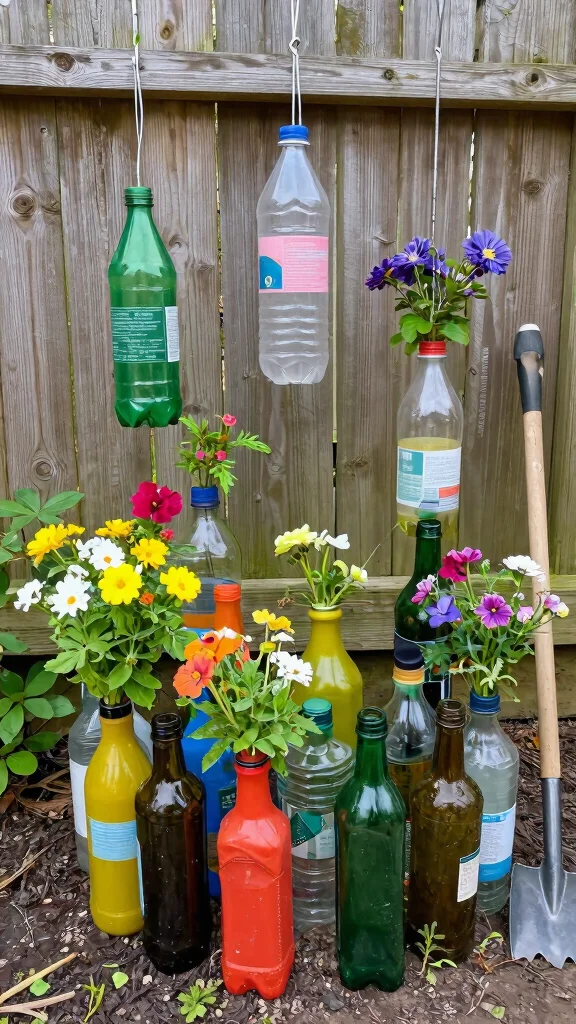
Want to engage in eco-friendly gardening? A recycled bottle garden offers a fun and creative way to repurpose old materials while adding charm to your space. This planter idea utilizes plastic or glass bottles, arranged in unique ways to enhance your garden’s look.
You can cut bottles in half to use as hanging planters or stack them creatively for a vertical effect. Attach them to a wooden board or hang them using ropes for a bohemian touch. Fill your recycled bottles with soil and your favorite plants for a practical and eye-catching display.
Key features of a bottle garden:
– Reduces waste effectively
– Provides a quirky aesthetic
– Customizable to your style
Don’t forget to make drainage holes in the bottom of each bottle. Choose lightweight plants that won’t weigh down the bottles. This gardening method encourages creativity and sustainability, making it a perfect project for all ages.
8. Vertical Herb Garden
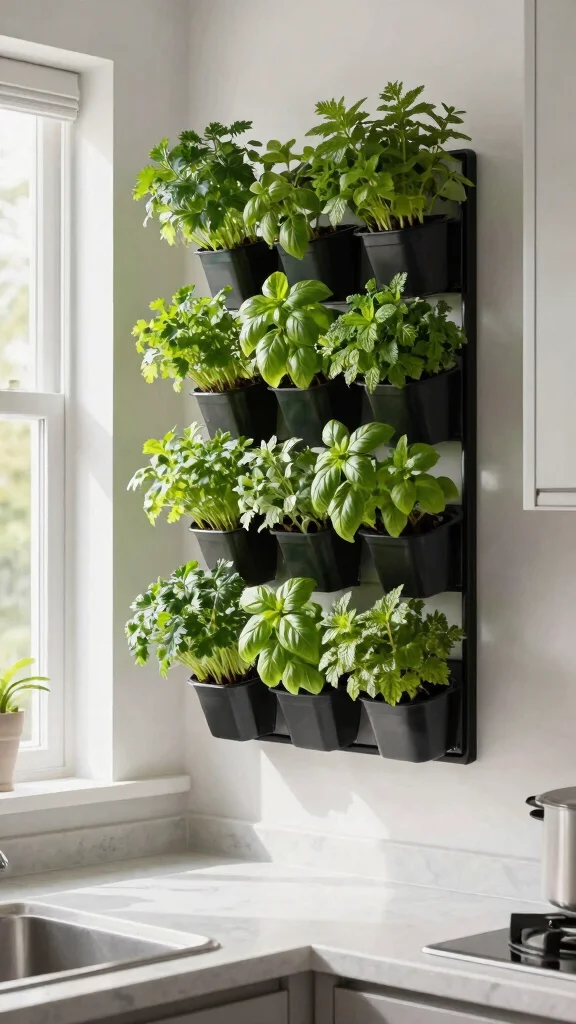
Dreaming of fresh herbs at your fingertips? A vertical herb garden beautifully combines practicality with aesthetics. Having your herbs readily available not only enhances your cooking but also adds a splash of greenery to your home.
Use wall-mounted containers or design a dedicated vertical planter filled with your favorite herbs. Arrange them by height or on tiered shelves for an artistic display. Opt for popular herbs like basil, rosemary, and thyme, which thrive in vertical setups.
Key benefits of vertical herb gardens:
– Easy access to fresh herbs
– Space-saving solution for small kitchens
– Visually appealing with varied textures
Consistent watering is essential, but avoid overwatering your herbs. Regular trimming promotes growth and keeps your plants healthy. A vertical herb garden not only spices up your meals but also adds a refreshing touch to your living space.
Did you know vertical herb gardens can double your fresh herb yield in a small space? With wall-mounted planters and tiered shelves, herbs like basil, thyme, and rosemary flourish without stealing floor space. Try these planter box ideas for easy, at-your-doorstep flavor.
Recommended Products
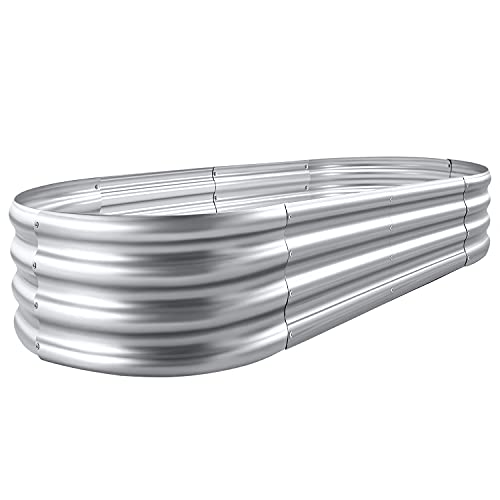
Each raised metal garden bed size: 4×2×1ft ,7.14Cu

Size: Accessories for 2 complete garden beds in one box!!! 72"(L) x 36"(W) x 12"(H), growing area of this garden bed perfect for an array of vegetables, herbs, and flowers in your yard

5x2x1 FT Oval Raised Garden Bed: Oval galvanized steel raised garden bed with a 12-inch internal growing depth, designed as an outdoor raised garden bed for vegetables and herbs in home gardens
9. Geometric Planter Boxes
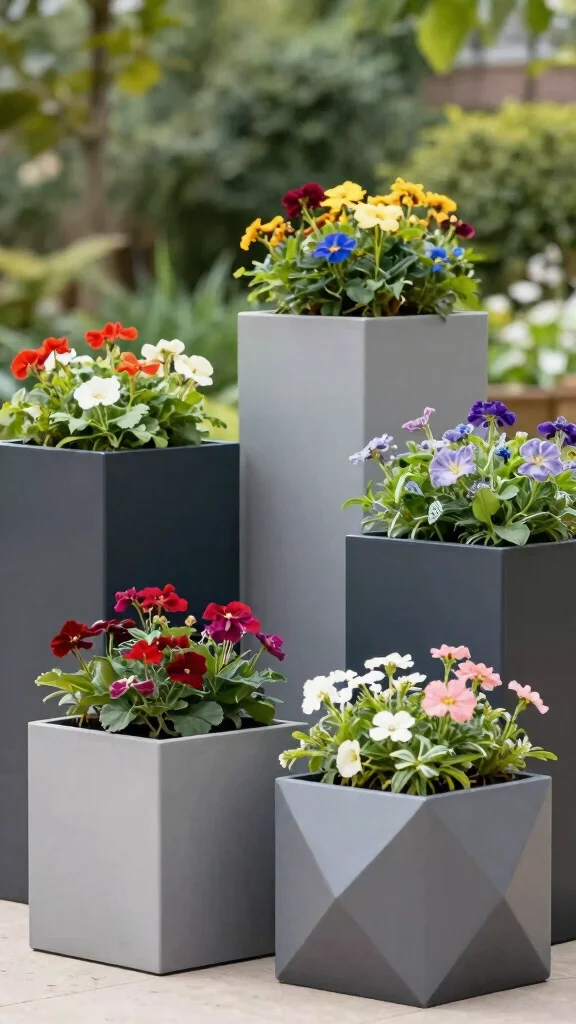
Looking to add a modern flair to your gardening? Geometric planter boxes are a trendy way to infuse contemporary aesthetics into your outdoor or indoor space. Available in materials like wood, metal, or concrete, these planters blend style with functionality.
Creating geometric planters can be a fun DIY project or you can find them ready-made. Experiment with different shapes such as hexagons, triangles, or cubes to give your garden a fresh appearance. Fill these unique planters with colorful flowers or lush foliage to enhance their striking designs.
Key reasons to choose geometric planters:
– Offers a contemporary look
– Easy to group for visual impact
– Can be customized in various sizes
Select plants that complement the shapes of your planters. Ensure proper drainage to prevent water buildup. Geometric planter boxes not only make a statement but also elevate the sophistication of your gardening space.
10. Vertical Window Box Planters
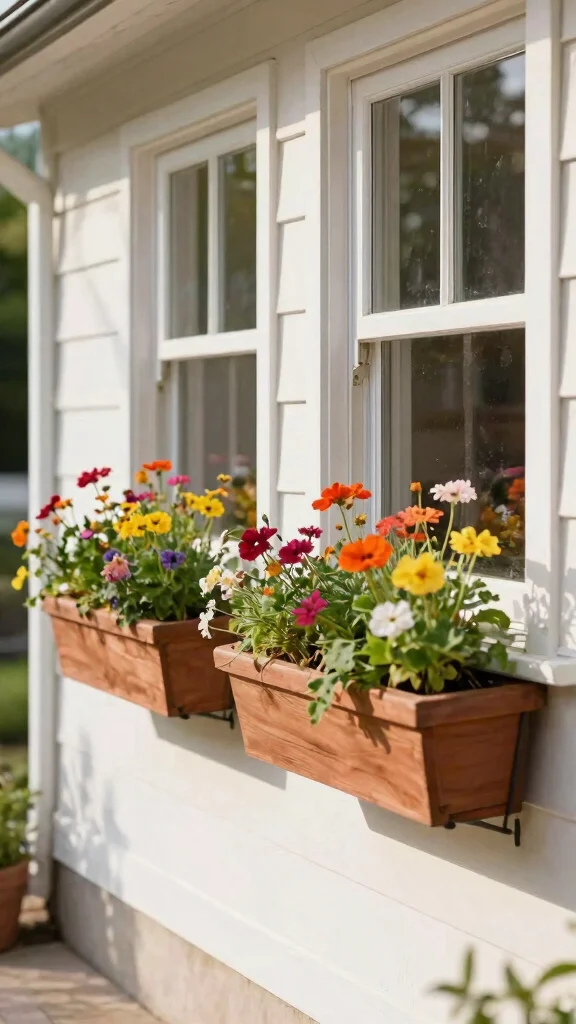
Want to enhance your home’s exterior? Vertical window box planters offer a classic charm while making a stunning visual impact. Mounted on your windows, these planters bring beauty and greenery to your surroundings, both inside and out.
Choose deep window boxes that accommodate a variety of plants, from vibrant flowers to culinary herbs. This design enlivens your home and can provide a delightful fragrance just outside your window.
Key advantages of vertical window boxes:
– Beautifies your home’s exterior
– Attracts beneficial pollinators
– Versatile for different plant types
Ensure proper drainage to keep your plants healthy. Regularly deadhead flowers to encourage new growth. Vertical window box planters seamlessly integrate nature into your home while providing delightful views.
Fun fact: vertical window box planters can add up to 2x more greenery in a tiny space. Choose deep boxes to grow herbs, flowers, and even small peppers—these planter box ideas boost curb appeal and fragrance without crowding your windows.
11. Trellis Planters
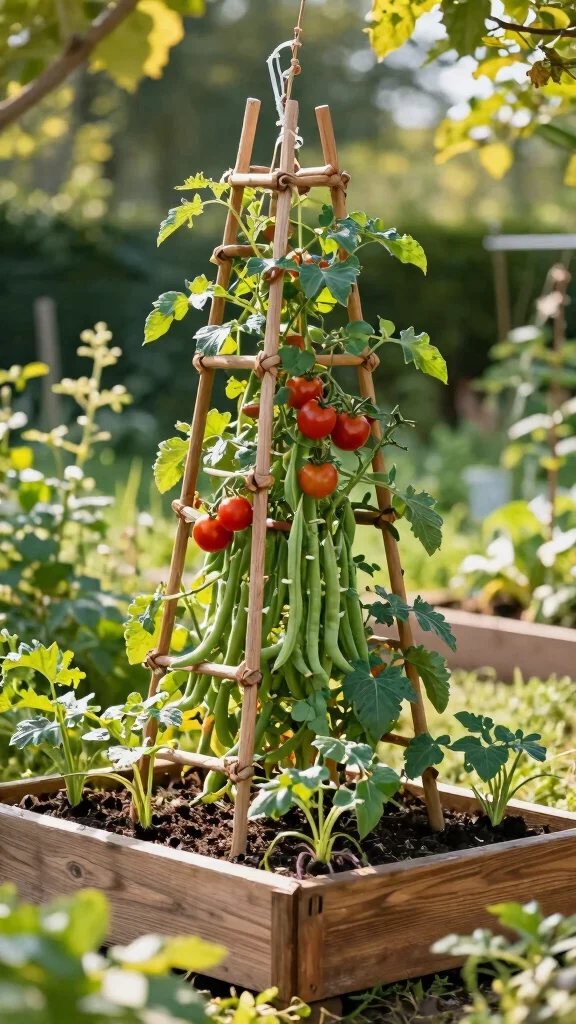
Looking to add vertical height and support for your climbing plants? Trellis planters are a fantastic choice for gardeners who want to maximize space while creating visual interest. With a bit of creativity, you can design a trellis that suits your style and provides sturdy support for your vining plants.
Consider using durable wood or metal for your trellis, attaching it securely to a planter box. This design not only enhances aesthetics but also allows your plants to thrive. Fill the planter with rich soil and plant climbers at the base of the trellis for optimal growth.
Key benefits of trellis planters:
– Supports heavy-vining plants
– Acts as a visual focal point
– Promotes air circulation and sunlight exposure
Regularly check the trellis for stability to ensure your plants are well-supported. Gently guide your plants to climb as they grow. Trellis planters efficiently maximize your space while adding beauty to your garden.
12. Fabric Pocket Planter
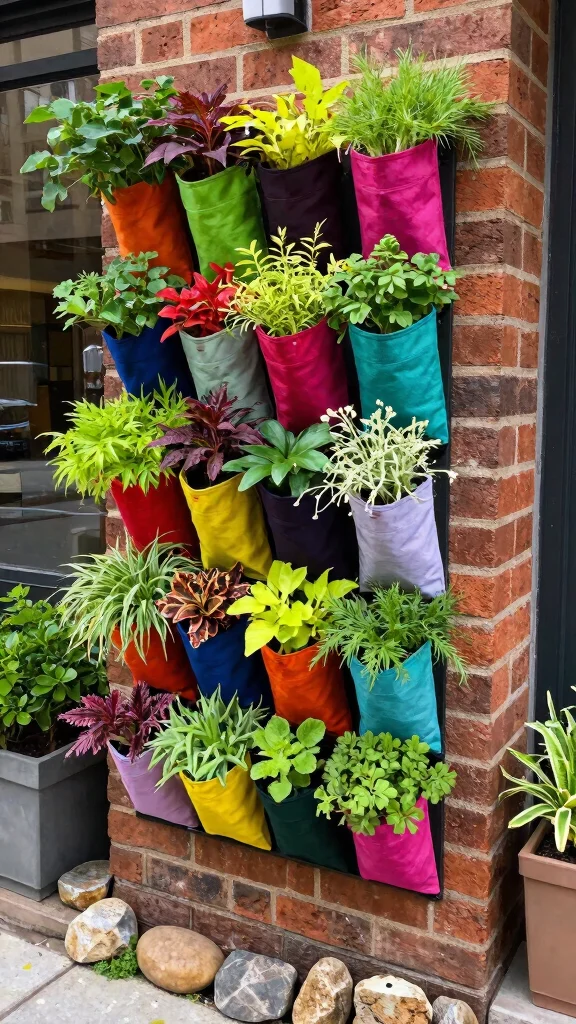
Want to utilize vertical space in a unique way? Fabric pocket planters are a clever solution for smaller areas, providing a soft and pliable option for displaying greenery. These planters can be hung on walls or fences, adding a playful touch to any garden.
You can purchase premade fabric pocket planters or make your own with durable fabric that promotes drainage. Attach them to a wall or fence, and fill each pocket with your chosen plants, perfect for herbs, flowers, or even strawberries.
Key features of fabric pocket planters:
– Lightweight and easy to install
– Breathable fabric encourages healthy roots
– Versatile designs for creative arrangements
Regular watering is crucial, ensuring the soil stays moist without being soggy. Rotate plants for equal sun exposure. Fabric pocket planters offer an innovative and fun approach to vertical gardening, especially in urban settings.
13. Multi-Tiered Hanging Planters
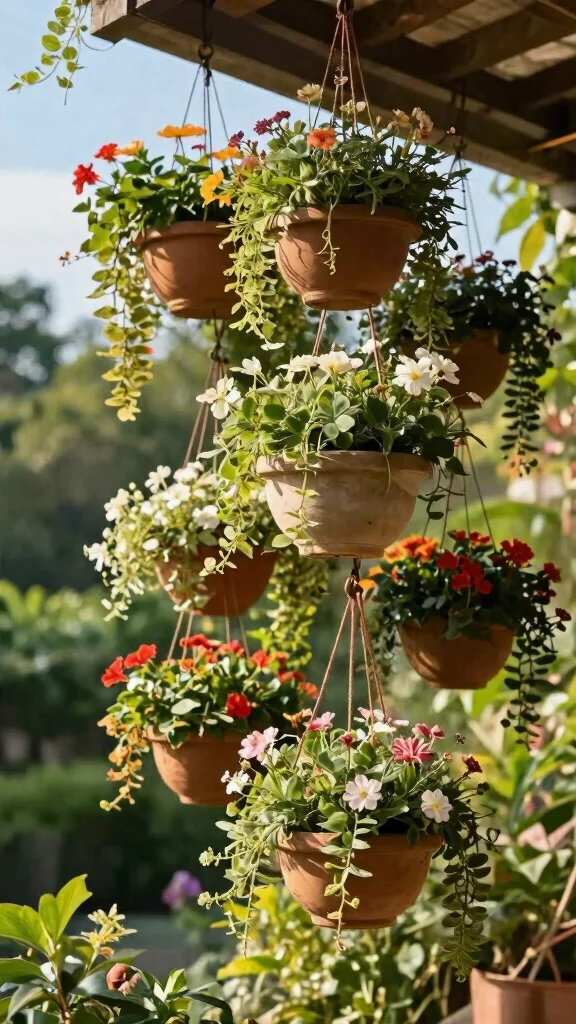
Looking for a way to create a cascading effect in your garden? Multi-tiered hanging planters are perfect for small balconies or patios, allowing you to display various plants at different heights for stunning visual appeal. These planters can turn ordinary spaces into vibrant gardens.
To create your own, find a sturdy hanging structure and tiered baskets or pots. Arrange the pots from largest at the bottom to smallest at the top, letting trailing plants cascade beautifully. This design not only enhances visual interest but also showcases blooming flowers brilliantly.
Key benefits of multi-tiered hanging planters:
– Maximizes vertical space
– Creates a lively layered appearance
– Ideal for mixing different plant varieties
Ensure your hanging structure is strong enough to support the weight of your plants. Regularly monitor the watering needs of different plants. Multi-tiered hanging planters are both functional and decorative, transforming any small space into a garden paradise.
Planter Box ideas win big on small spaces: think multi-tiered hanging planters that cascade from top to bottom. With the right setup, your balcony becomes a living mural full of color and greens—elevate every inch with smart, accessible containers.
14. Vertical Fence Planters

Want to enhance your garden with limited ground space? Vertical fence planters are an excellent solution, attaching directly to your fence and creating a lush green wall filled with flowers or herbs. This innovative approach maximizes your gardening potential.
Choose sturdy wooden boxes or metal pots that can be securely fastened to the fence. Plant colorful blooms or fragrant herbs to create a delightful display that breathes life into your outdoor area.
Key advantages of vertical fence planters:
– Effectively utilizes vertical space
– Provides an attractive barrier
– Perfect for urban gardening
Remember to water consistently to keep your plants healthy. Regularly check for pests, especially near the fence. With vertical fence planters, you can transform any dull wall into a vibrant landscape, enhancing the beauty of your garden.
Conclusion
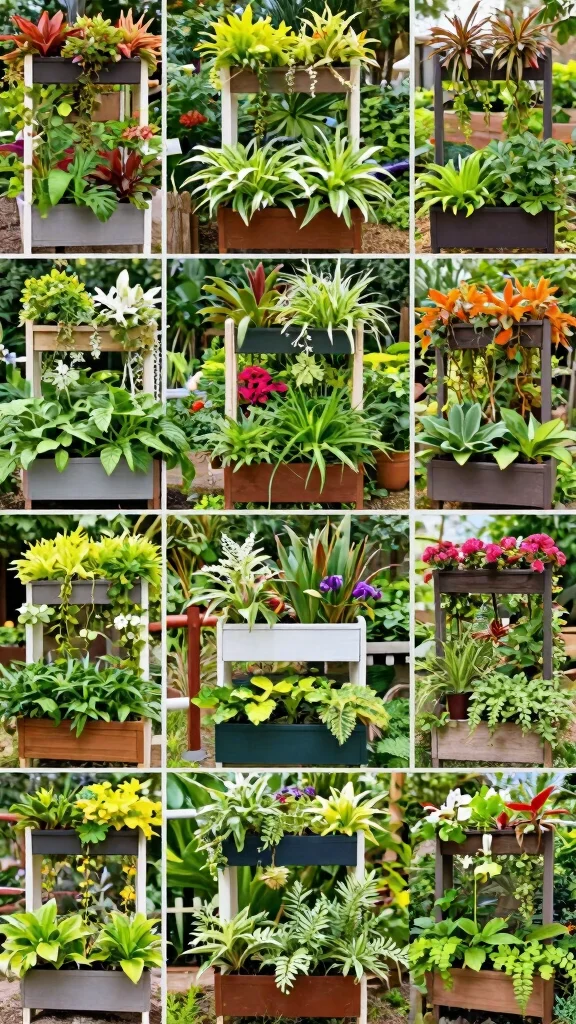
Embracing vertical gardening through these creative planter box ideas can bring a breath of fresh air to your small spaces. You have the power to transform walls, fences, and even ceilings into lush gardens that not only beautify your environment but also provide fresh produce or fragrant herbs.
As you explore these concepts, let your creativity flourish and don’t hesitate to mix and match designs to suit your unique style. Get ready to create your very own urban oasis, where every inch of space counts!
Note: We aim to provide accurate product links, but some may occasionally expire or become unavailable. If this happens, please search directly on Amazon for the product or a suitable alternative.
This post contains Amazon affiliate links, meaning we may earn a small commission if you purchase through our links, at no extra cost to you.
Frequently Asked Questions
What are the most effective planter box ideas for small spaces?
Small-space gardening shines with vertical and compact designs. Try wall-mounted troughs, staggered boxes, railing planters, or tiered towers. These planter box ideas maximize height while keeping footprints tiny. For DIY options, repurpose wooden crates into vertical stacks, build a shallow drainage-ready box, and mount it on a fence or wall. Start with a simple plan that accounts for sun exposure, drainage, and easy harvesting.
Pro tip: group several boxes in a sunny corner and use weatherproof finishes. This is where vertical gardening solutions really pay off, turning tight spaces into lush, productive spots.
How can I build a DIY vertical planter that fits on a balcony?
Create a balcony-ready vertical planter by measuring available height and width, then selecting durable, weatherproof materials like cedar for wooden planter box inspiration. Build a ladder-style or pocket-style design, add drainage holes and a waterproof liner, and secure with brackets or railing mounts so you don’t stress the surface below. Fill with a lightweight, well-draining soil mix and plant herbs, greens, or compact veggies for a living wall that’s easy to harvest.
This DIY planter box projects approach keeps things affordable and sturdy, while turning a small balcony into a vibrant growing space. Don’t forget to consider simple irrigation or a self-watering insert for busy days.
Which plants thrive in vertical planter boxes and how to choose the right ones?
Herbs and greens are champions in vertical planters—think basil, oregano, chives, lettuce, and spinach. Compact vegetables like baby peppers or dwarf tomatoes can work too if you’ve got enough light. Runner-up favorites include strawberries and trailing flowers for color. When selecting plants, match light exposure and humidity to each species, use varieties that stay compact, and group plants with similar water needs to minimize maintenance.
This strategy of choosing plants fits perfectly with planter box ideas and vertical gardening solutions, giving you a productive, beautiful wall of life in small spaces.
What are practical mounting options for vertical planters on walls, fences, or railings?
Secure mounting is key for safety and longevity. Use sturdy wall brackets or French cleats for solid walls, clamp-style railing planters for balconies, or a lightweight wooden frame attached with weatherproof screws for fences. If you’re renting or want easy removal, opt for freestanding vertical frames that lean against a wall and use anti-tip hardware. Always account for weight when the planter is watered and filled.
These approaches align with outdoor gardening tips and keep your vertical planter stable and safe while saving space.
What maintenance tips keep my DIY planter box projects looking great year-round?
Keep wood healthy by sealing or painting with exterior-grade finish to resist rot, and check hinges or brackets annually for looseness. Improve drainage with a bottom layer of mesh or gravel, use a high-quality off-the-shelf potting mix, and top up with compost periodically. Rotate crops seasonally, remove any mold or damp debris, and clean the box between plantings to prevent pests. For longevity, consider lightweight, rot-resistant materials and proper ventilation to prevent moisture buildup.
This advice supports DIY planter box projects and wooden planter box inspiration, helping your creations stay vibrant year after year.
Recommended Products
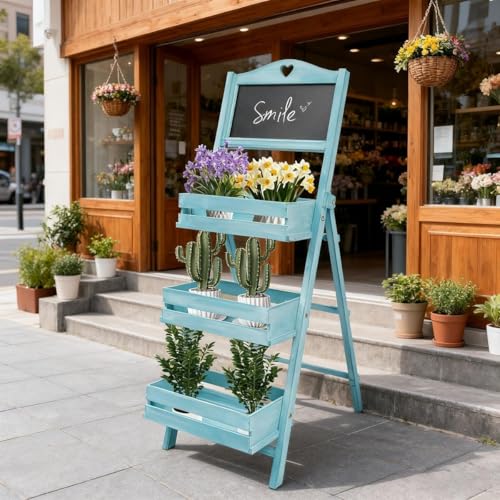
【Wide Application for Various Scenes】This versatile plant stand is perfect for displaying flowers, succulents, potted plants, and greenery. It’s suitable for use in gardens, balconies, flower shops, parks, and even indoor spaces like living rooms or sunrooms, adding natural charm wherever it’s placed.

【SOLID PINE WOOD】 COOGOU indoor wooden plant stand for multiple plants is made of renewable PINE WOOD, with the characteristics of hard and strong stability. Rosin can relieve pressure and improve sleep. Undergoing 300 ℃ high temperature carbonization , the small plant stand water content reduced by 50%, anti-deformation Increased 50% to achieve the function of compression resistance, long service life; Clear surface texture fits for any decor furniture, indoor use

Multiple Tiered Display Shelf: Lawei bamboo tabletop plant stand approximate dimensions: 25 L x10 W x 14 H (in inches), this plant stand features a total of 4 platforms in 2 tiers, which offers adequate growing space for at least 5 potted plants and sparing much space in your balcony. The flower rack is suitable for placing small succulent pots, germinated seeds, and new cuttings for cultivation.
Related Topics
planter box ideas
vertical gardening
DIY planter boxes
small space solutions
creative builds
wooden planter designs
outdoor gardening
easy gardening projects
beginner friendly
urban gardening
space-saving solutions
garden decor