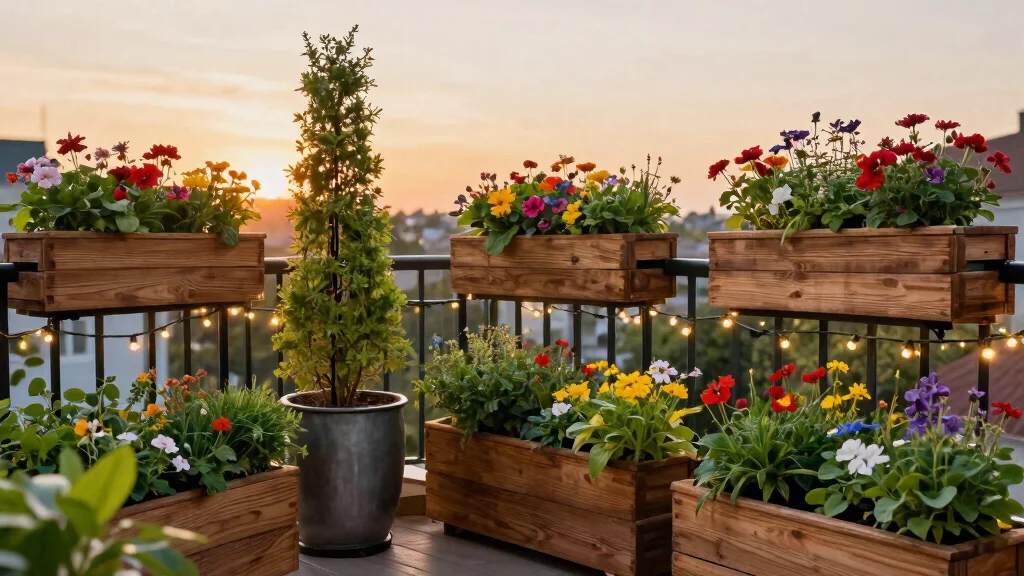
If you’re like me, the thought of creating a stunning garden in a small space has you dreaming of lush greenery and colorful blooms. The good news? Tall planter boxes might just be the answer we’ve been searching for! These elevated garden beds offer a fantastic way to maximize your growing area while adding a dramatic flair to your outdoor space. They’re perfect for those of us who want to enjoy gardening without the hassle of traditional ground plots that take up too much room.
This post is for anyone who loves gardening but struggles with limited space. Whether you live in a cozy apartment, a compact townhouse, or just have a small backyard, you’ll find inspiration here to elevate your gardening game. I’ve gathered 14 creative ideas that showcase how tall planter boxes can transform your space into a vertical oasis. You’ll discover designs that are not only chic and stylish but also practical and functional.
Get ready to dive into a world of outdoor planter inspiration! You’ll find tips on rustic wooden heights, modern metal marvels, colorful flower towers, and DIY planter box designs. Each idea is tailored to help you create a vertical garden that reflects your personal style while making the most out of every inch of your space. Let’s jump into these dramatic tall planter box ideas that will refresh your gardening experience!
Key Takeaways
– Dramatic Styles: Explore various designs, from rustic wood to modern metal, to find the perfect tall planter box that matches your aesthetic.
– Vertical Gardening Solutions: Learn how tall planter boxes can maximize your limited space and create a lush garden even in the smallest areas.
– DIY Inspiration: Get ideas for DIY planter box designs that you can customize to fit your style and needs.
– Seasonal Planting: Discover tips on seasonal rotation in your tall planters to keep your garden fresh and blooming year-round.
– Eco-Friendly Options: Consider eco-friendly planter options that promote sustainable gardening practices while enhancing your outdoor area.
Recommended Products

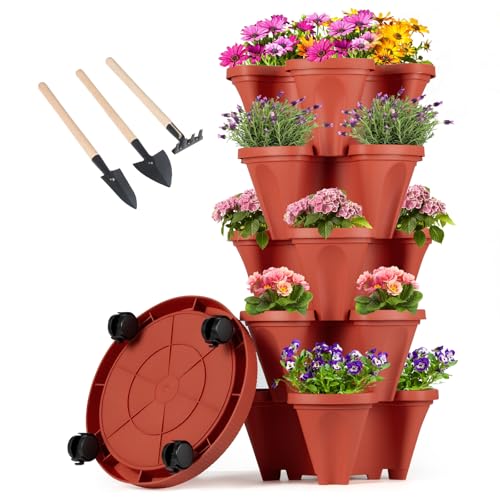
Five-Layered Garden Design: This planter box features a five-tier structure, allowing you to cultivate a variety of plants in separate layers. You can plant everything from vegetables and herbs to flowers, fruits, and even strawberries. Each tier offers ample space for healthy growth without overcrowding your plants

Four-Layered Garden Design: This planter box features a four-tier structure, allowing you to cultivate a variety of plants in separate layers. You can plant everything from vegetables and herbs to flowers, fruits, and even strawberries. Each tier offers ample space for healthy growth without overcrowding your plants
1. Rustic Wooden Heights
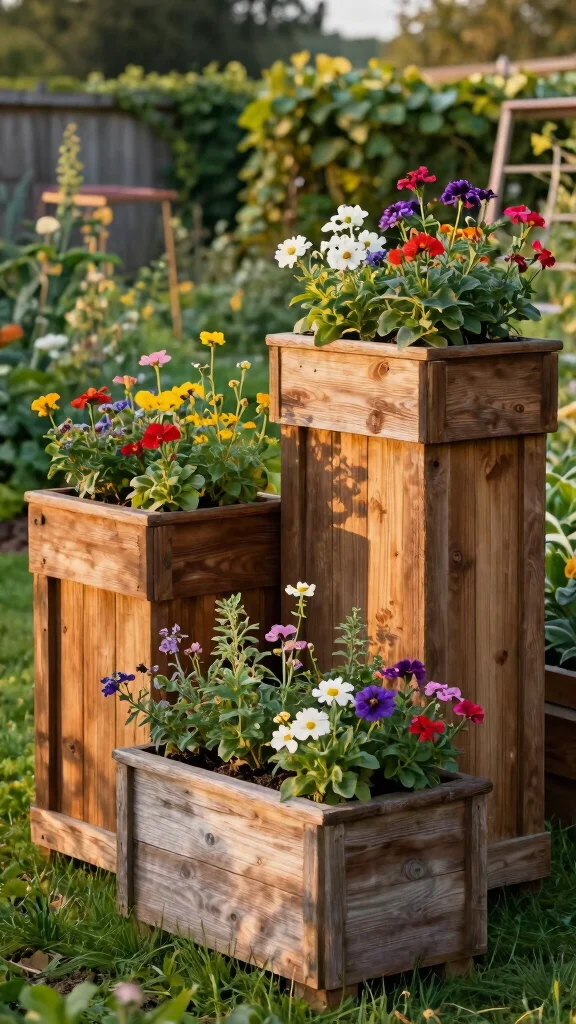
Are you looking to bring a cozy, rustic vibe to your garden? Wooden planter boxes crafted from reclaimed wood can do just that while saving you money. These tall boxes not only create an inviting atmosphere but also harmonize beautifully with the surrounding flora, making them an excellent choice for herbs like basil and thyme or vibrant flowers like petunias and geraniums.
To make the most of your wooden planters, consider using untreated wood for authenticity, but keep an eye out for pests. Lining the insides with landscape fabric can protect the wood and keep the soil in place. Be mindful of their placement to ensure they receive enough sunlight without blocking pathways.
Key tips for your rustic wooden planter boxes:
– Choose untreated wood for a natural look; check for pests!
– Line with landscape fabric to protect and retain soil.
– Position for sunlight, ensuring pathways remain clear.
These planters are easy to access, allowing you to tend to your plants without bending down. Plus, you can customize their look with paint or stain, adding a stylish touch to your outdoor space.
Recommended Products

CULTIVATE AN EXQUISITE HERB OASIS |Our Food-safe Elevated Outdoor Plant Box Presents an Attractive and Functional Layout for Cultivating Your Beloved Herbs, Vegetables, Fruits, Blossoms & Other Greenery Above the Soil | A Breathtaking Complement to Every Cozy Nook! "

Size: Accessories for 2 complete garden beds in one box!!! 72"(L) x 36"(W) x 12"(H), growing area of this garden bed perfect for an array of vegetables, herbs, and flowers in your yard

Elevate Your Garden - Opt for a brilliantly engineered raised garden bed to revolutionize your gardening. Its spacious design, measuring 48x24x30 inches, allows for the cultivation of multiple vegetable varieties alongside a plethora of herbs, optimizing your gardening space for ease and diversity.
2. Modern Metal Marvels
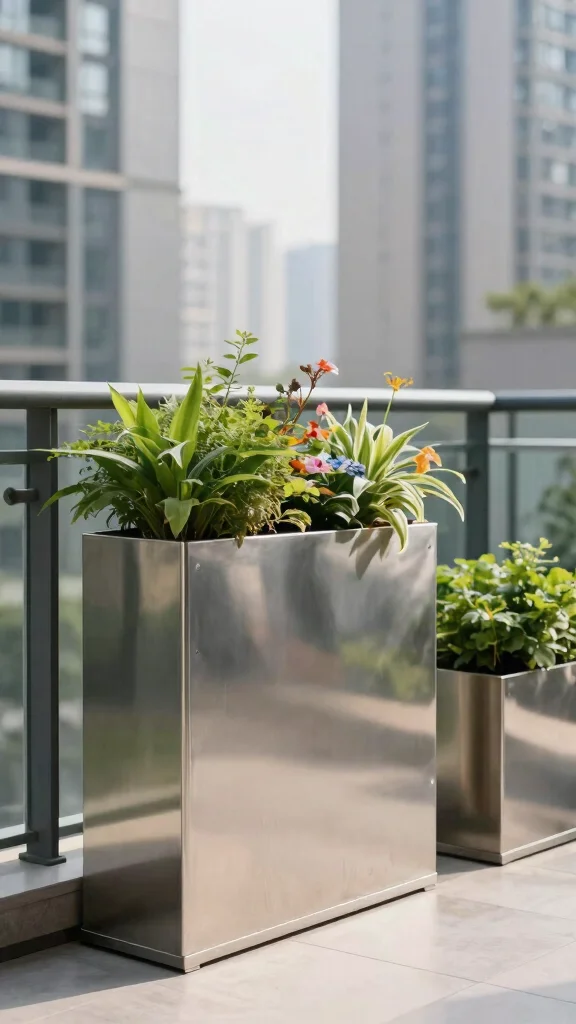
Do you crave a sleek, contemporary touch for your garden? Metal planter boxes are an ideal choice, available in finishes like shiny stainless steel or matte black. Their durability and weather-resistant qualities make them perfect for modern gardens or urban balconies, while insulation helps protect roots from extreme temperatures.
When using metal planters, ensure there is proper drainage to prevent water logging. A protective inner liner can separate the metal from the soil, helping to avoid rust. Fill these boxes with deep-rooted plants like tomatoes or taller flowers such as sunflowers for an impressive vertical display.
Key considerations for your metal planters:
– Ensure proper drainage to avoid water issues.
– Use a liner to prevent rust and protect soil.
– Plant deep-rooted veggies and upright flowers for impact.
Adding modern metal planters instantly enhances your outdoor aesthetics, creating a striking contrast against the greenery.
Recommended Products

SAVE FLOOR SPACE - Stackable vertical planter tower

SAVE FLOOR SPACE - Stackable vertical planter tower
SAVE FLOOR SPACE - Stackable vertical planter tower
3. Vertical Herb Garden Delight
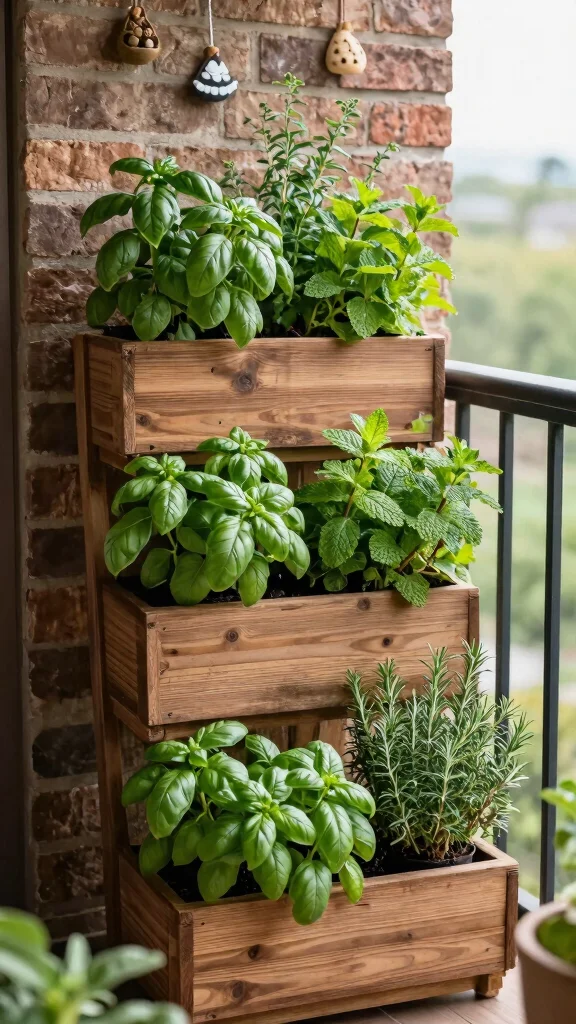
Are you dreaming of fresh herbs at your fingertips? A vertical herb garden using tall planter boxes is both practical and delightful. Imagine growing basil, mint, and rosemary in an organized, easy-to-reach setup that elevates your cooking experience.
To ensure your herbs thrive, choose a sunny spot where they can soak up the sun. Proper spacing in your boxes is essential to avoid overcrowding and promote healthy growth. Rotate your herbs seasonally to keep your garden lively and fresh.
Key tips for your vertical herb garden:
– Pick a sunny location; most herbs love sunlight.
– Space plants properly to encourage healthy growth.
– Rotate herbs seasonally for variety and freshness.
With tiered wooden or stacked metal boxes, your herb garden will not only be functional but also a beautiful addition to your outdoor space.
Recommended Products
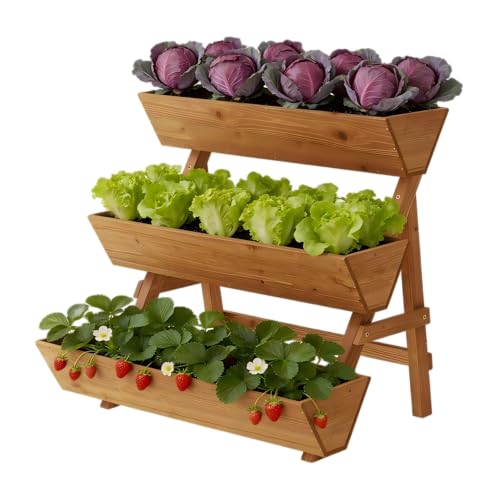
【Perfect Design】: The 3-tier planter box design will not take up too much floor space, which can separate and organize the sections as well as grow different kinds of plants. In addition, the trapezoidal design allows all plants to enjoy full sunlight for better growth. The box bottom of each tier is equipped with drainage holes to help drain excess water and prevent root rot.

【Perfect Design】: The 3-tier planter box design will not take up too much floor space, which can separate and organize the sections as well as grow different kinds of plants. In addition, the trapezoidal design allows all plants to enjoy full sunlight for better growth. The box bottom of each tier is equipped with drainage holes to help drain excess water and prevent root rot

[DIVIDED PLANTING SPACE]: With 5 separate planter boxes, the wood elevated planter offers the freedom to cultivate a variety of plant species without obstructing the others, such as fruits, herbs, vegetables, fruits.
4. Colorful Flower Towers

Want to brighten up your garden with vibrant colors? Tall planter boxes filled with annuals like marigolds, petunias, and geraniums can create a stunning visual display. These planters allow you to layer flowers, making the tallest blooms rise above others for a breathtaking cascade of colors.
To design a captivating flower display, select a mix of colors and heights to add depth. Incorporate trailing plants like nasturtiums at the edges for a soft, cascading look. Regular deadheading will keep your blooms vibrant and encourage new growth.
Key tips for a vibrant flower tower:
– Mix colors and heights for depth and interest.
– Add trailing plants for a cascading effect.
– Deadhead regularly for continuous blooms.
Your colorful flower towers will serve as eye-catching focal points in your garden, drawing butterflies and bees for a lively atmosphere.
Did you know that tall planter boxes can boost color density by up to 40% in small spaces? Plant a mix of marigolds, petunias, and cascading nasturtiums to create a dazzling, layered flower tower with a lasting cascade of color.
Recommended Products

Size: The garden bed measure is 46"L x 23.6"W x 17"H. The planter box provides ample space for planting vegetables, fruits, flowers and other plants.

Generous Planting Space: Ample bed space provides your plants and vegetables with room to thrive, promoting healthy growth and robust yields.

DEEP PLANTER FOR MAXIMUM YIELD: With 16" of soil depth and a spacious planting area, this elevated bed supports healthy root vegetables like carrots, beets, and radishes while allowing more crops per bed, boosting overall harvest and garden productivity
5. Creative DIY Planter Box Designs
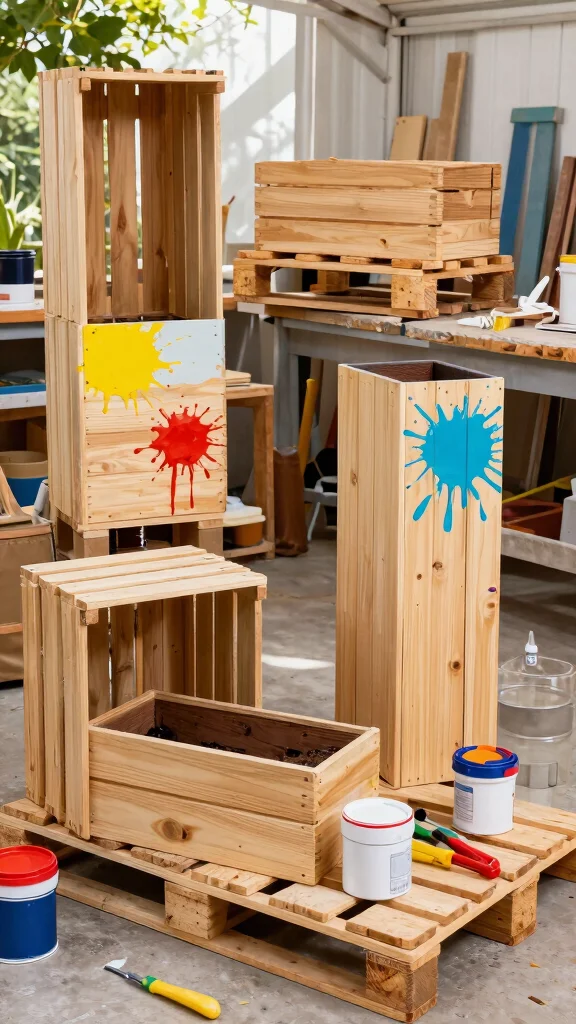
Are you ready to express your creativity in the garden? DIY tall planter boxes let you showcase your personal style while adding functionality. From pallets to custom geometric shapes, the design options are endless, making it easy to build something unique.
For your DIY project, consider using recycled materials like pallets for an eco-friendly approach. Geometric designs add a modern flair that stands out in any setting. Adding wheels to your planter boxes makes mobility and rearrangement a breeze.
Key ideas for DIY planter designs:
– Use recycled pallets or crates for eco-friendly options.
– Create geometric shapes for a modern twist.
– Add wheels for easy mobility in your space.
A DIY project allows you to customize the size and style, giving you a rewarding experience as you create something special for your garden.
Recommended Products

Space-Saving Vertical Gardening: Maximize your growing potential with staggered tiered planting! By smartly utilizing vertical space through height-varied layers, this planter lets you grow more plants while saving precious floor space—good for compact balconies, cozy patios, or tight indoor corners.

High-quality Product: Thick, high-quality PP materials can be used repeatedly without fading, not easy to crack even in summer; Suitable for garden or indoor use

SAVE FLOOR SPACE - Stackable vertical planter tower
Dimensions & Size Guide
When it comes to tall planter boxes, understanding their dimensions is crucial. You want to ensure they fit your space while providing the right conditions for your plants. Here’s a detailed guide on sizing to help you choose the perfect tall planter box for your vertical gardening needs.
Standard Sizes & Measurements:
Most tall planter boxes come in standard sizes that are suitable for various plants. Here are some common dimensions:
– Height: Typically between 24 inches to 48 inches. Taller boxes are ideal for deep-rooted plants, while shorter ones work for herbs and flowers.
– Width: Ranges from 12 inches to 24 inches. A wider box gives you more planting space but requires more room on your patio or balcony.
– Length: Common lengths are 24 inches to 60 inches. Longer boxes allow you to plant multiple types of plants together, promoting diversity.
For a proper fit, ensure there is at least 1 to 2 feet of space around the planter box for ventilation and access. This is especially important for watering and maintenance.
Quick Reference Table:
| Size/Dimension | Best for: | Minimum space needed: |
|——————————-|——————————————|————————————–|
| 24″ H x 12″ W x 24″ L | Herbs, small flowers | 2′ x 2′ |
| 36″ H x 18″ W x 36″ L | Medium-sized flowers, small vegetables | 3′ x 3′ |
| 48″ H x 24″ W x 48″ L | Large vegetables, mixed flower displays | 4′ x 4′ |
| 60″ H x 24″ W x 60″ L | Community gardens, extensive plantings | 5′ x 5′ |
Space Planning Tips:
1. Measure Your Space: Before buying or building a planter box, measure the area where you plan to place it. Don’t forget to consider any barriers, like railings or walls, that might restrict access.
2. Consider Plant Growth: Ensure that your tall planter box can accommodate the height and width of mature plants. Researching the specific plants you plan to grow can help you gauge their full size.
3. Account for Water Drainage: Make sure your planter box has drainage holes. This prevents water from pooling, which can harm your plants. Always allow for extra space below the box to catch any excess water.
4. Think About Mobility: If you want flexibility, consider planter boxes with wheels. This makes it easier to reposition them based on sunlight and seasonal changes.
5. Avoid Overcrowding: When planning for multiple plants, space them appropriately based on their growth habits. Check planting guides for spacing requirements to avoid competition for resources.
Pro Tip: The most important measurement to consider is the height of your planter box. Taller boxes can be great for aesthetics and ease of access but ensure they are not so tall that you struggle to reach the plants inside. A height around 30 to 36 inches is often ideal for most gardening needs. This keeps your plants within easy reach while also providing sufficient root depth for growth.
By carefully considering these dimensions and space planning tips, you can create a thriving vertical garden with tall planter boxes that fit perfectly into your small space. Happy gardening!
Recommended Products

SIZE: The plant bed measure is 47.24"L x 23.62"W x 11.81"H. This planter box provide ample growing space to raise vegetables, flowers and plants.
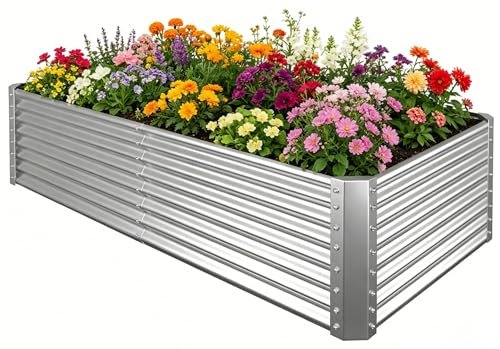
Grow Deep-Root Veggies Effortlessly: The 2-foot depth provides ample soil capacity, creating ideal growing conditions for broccoli, beans, and tomatoes. This elevated design saves your back and knees from bending over during planting and harvesting.

Easy to Assemble: The galvanized garden beds outdoor manual includes a clear parts list and installation steps, which can save your time and assist you assemble the galvanized garden beds quickly.
6. Vertical Succulent Gardens

Looking to add a trendy touch to your outdoor area? Vertical succulent gardens in tall planter boxes offer a stylish and low-maintenance option. Their unique shapes and textures create an eye-catching display, perfect for busy gardeners.
When planting succulents, use well-draining soil to prevent root rot. Group succulents with similar light and water needs for easy care. Consider adding decorative stones or gravel on top of the soil for an aesthetic finish.
Key tips for succulent planter boxes:
– Use well-draining soil to avoid root issues.
– Group plants by light and water needs.
– Add decorative stones for a stylish touch.
Your vertical succulent arrangements will not only beautify your space but also spark conversations among your guests.
Recommended Products

【3.5 Oz Ultra Durable Fabric for Premium Functional Erosion Control】 This heavy duty non woven landscape liner provides the perfect balance for your planting areas. It is porous enough to allow excess water to drain freely. This active filtration prevents root rot completely. It is tough enough to contain heavy soil and prevent washouts. This breathable barrier blocks weeds from invading your precious soil

【Precisely Sized for 4x2 ft Planting Beds】BIRDSINYARD heavy duty weed barrier fabric is Custom-designed to perfectly fit 4ft length by 2ft width garden raised beds, features high-density and permeable, it can effectively stop weeds growth and protects soil health, so your plants can grow well, keeps your garden box neat and beautiful.

【Premium Weed Barrier Fabric】 Weed barrier landscape fabric is a type of geotextile fabric that is commonly used in landscaping and construction. With excellent weed control properties, providing a clean and tidy landscape. Very strong and durable, Pro landscape weed barrier will provide you with premium weed protection for a very long time.
7. Tiered Vegetable Garden Towers

Want to grow your own veggies in style? Tiered tall planter boxes are designed specifically for vegetable gardening, maximizing your yield in compact spaces. This setup makes harvesting easy, eliminating the need to bend down like traditional garden beds.
For your tiered vegetable garden, start with leafy greens like lettuce in the top tier to maximize sunlight. Use mid-height veggies like peppers in the middle tier, and reserve the bottom tier for deep-rooted plants such as carrots. This strategic planting ensures ample growth and easy maintenance.
Key planting tips for tiered vegetable gardens:
– Start with leafy greens in the top tier.
– Use mid-height veggies in the middle tier.
– Place deep-rooted plants in the bottom tier.
Your tiered design will create an eye-catching display that makes your garden the envy of the neighborhood.
8. Elegant Stone Planter Boxes
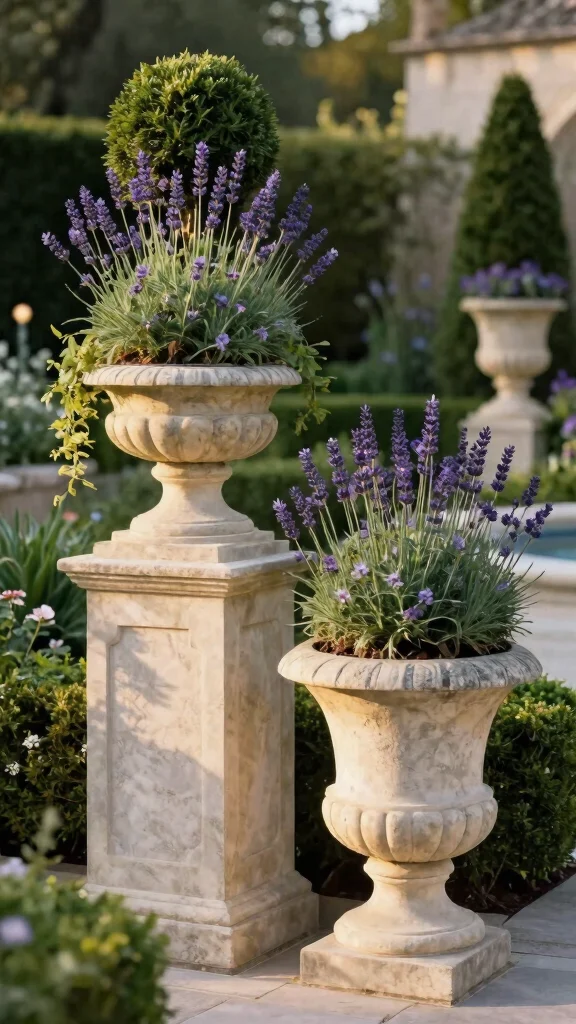
Do you appreciate sophistication in your garden? Stone tall planter boxes can elevate your outdoor space with their classic appeal. Their natural durability allows for elegant arrangements of flowers or small trees, enhancing your garden’s architecture.
When using stone planters, ensure proper drainage to avoid water buildup. Lining the inside with landscape fabric protects the stone while maintaining soil structure. Choose plants that complement the stone, such as lavender or boxwoods, for a timeless look.
Key considerations for stone planters:
– Ensure proper drainage to prevent water issues.
– Line with fabric to protect and maintain soil.
– Select plants that enhance the stone’s aesthetic.
The stability of stone planters allows for creative arrangements that will withstand the test of time, keeping your garden beautiful season after season.
Recommended Products

What You Get: we have included Galvanized raised garden bed kit with detailed assembly instructions, rubber edge strips, safety gloves , wrench tools and with galvanized nuts and bolts in the box .These essential tools elevate your overall planting and gardening adventure

【 Durable and Long-lasting 】 BIRDSINYARD outdoor raised garden bed is made from thick galvanized steel,featuring a rust-resistant and corrosion-resistant coating.Garden planter effectively withstands humid weather and harsh conditions, ensuring it won't easily warp or rust with long-term use.

SIZE: The plant bed measure is 23.6"L x 23.6"W x 11.8"H. This round planter box provide ample growing space to raise vegetables, flowers and plants.
9. Cohesive Color Themes
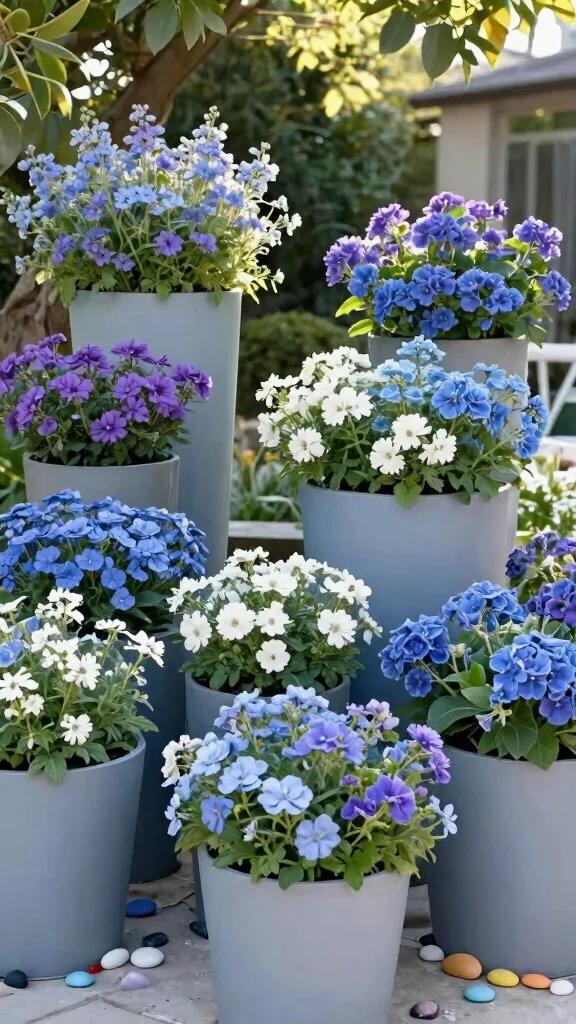
Do you want to transform your garden with a cohesive color theme? Selecting a color palette that resonates with you can elevate your outdoor space from ordinary to extraordinary. By carefully choosing plants and flowers, you can create a harmonious garden that captivates all who see it.
To achieve a cohesive theme, use plants with complementary colors in each planter. Incorporate decorative elements like colored stones that match your palette. Alternating planters of varying heights adds visual interest while sticking to your color theme.
Key strategies for cohesive color themes:
– Use complementary colors in each planter.
– Incorporate matching decorative elements.
– Alternate heights for added visual interest.
A well-planned color scheme not only beautifies your garden but also reflects your personal style, making it uniquely yours.
10. Hanging Tall Planters
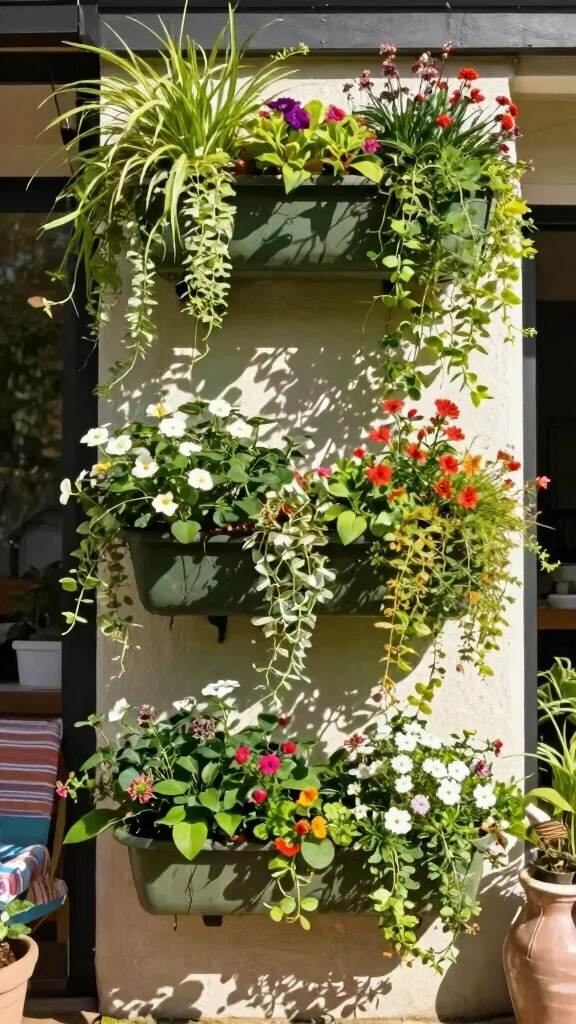
Why limit your gardening to the ground? Hanging tall planter boxes offer a unique way to create depth in your garden. These planters can be mounted on walls, railings, or even suspended from ceilings, adding an eye-catching vertical garden to your space.
For hanging planters, choose lightweight materials for easy installation. Ensure secure mounting to handle the weight of soil and plants. Incorporating trailing plants creates a beautiful cascading effect that draws the eye upward.
Key tips for hanging planters:
– Select lightweight materials for easy setup.
– Ensure secure mounting for safety.
– Add trailing plants for a cascading effect.
Hanging tall planters not only save ground space but also provide a unique perspective on your gardening efforts, making your outdoor area stand out.
11. Multi-Purpose Planter Boxes
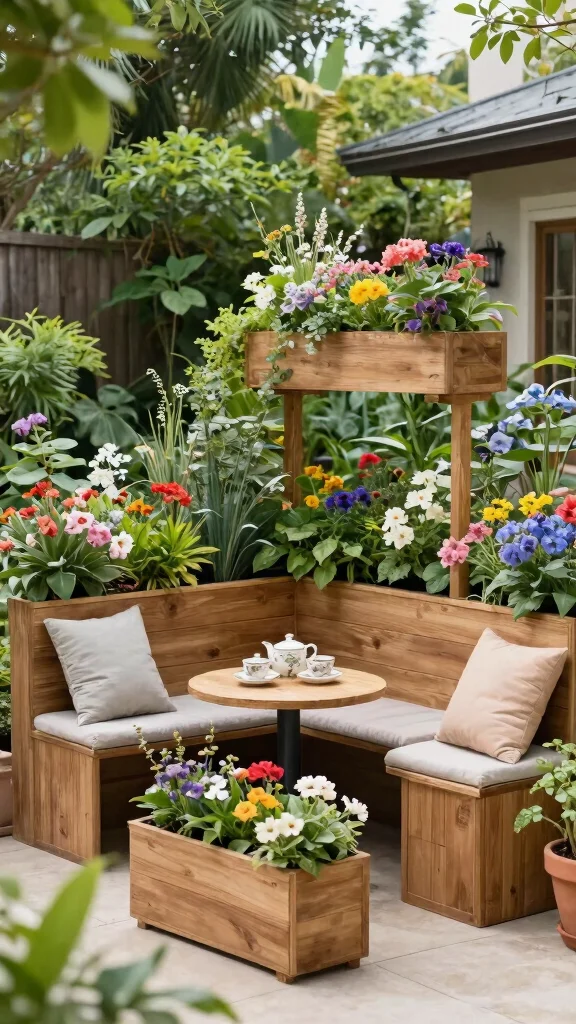
Why not make your tall planter boxes do double duty? With a bit of creativity, you can design multi-purpose boxes that serve more than one function. From benches to storage compartments, these innovative designs maximize space while enhancing practicality.
Consider building a planter box with a flip-top for gardening tool storage. Create benches with flower boxes on either side for a relaxing garden nook. Incorporate a small table feature in your design for an inviting coffee area surrounded by greenery.
Key ideas for multi-purpose boxes:
– Build a planter with a flip-open storage top.
– Create benches with built-in flower boxes.
– Incorporate a small table for a cozy gathering spot.
Multi-purpose designs enhance your outdoor functionality, making your space more enjoyable and user-friendly.
12. Edible Landscaping with Tall Planters
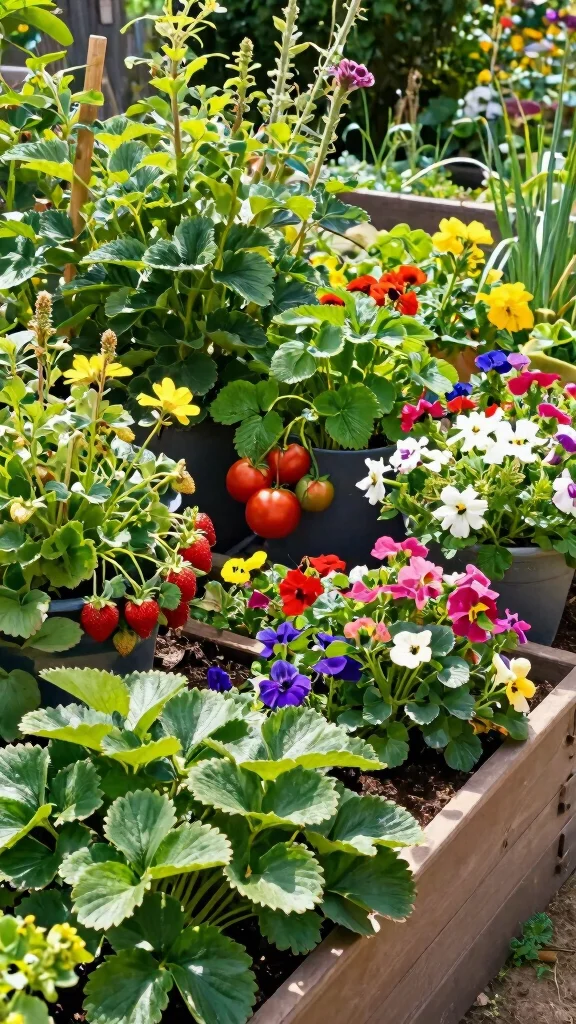
Combine beauty with function by incorporating edible plants in your tall planter boxes. This gardening style allows you to enjoy the visual appeal of landscaping while harvesting fresh fruits, veggies, and herbs. It’s a fantastic way to add freshness to your meals and promote sustainable practices.
For successful edible landscaping, mix ornamental plants with edibles, like pairing flowering chives with colorful marigolds. Choose compact fruit varieties like strawberries that thrive in tall planters. Plant vertical climbing vegetables like peas or beans to save space.
Key suggestions for edible landscaping:
– Mix ornamental and edible plants for visual appeal.
– Choose compact fruits perfect for tall planters.
– Plant climbing vegetables to maximize vertical space.
Edible landscaping not only provides delicious produce but also creates a stunning visual display that delights the senses.
13. Seasonal Rotation in Tall Planters
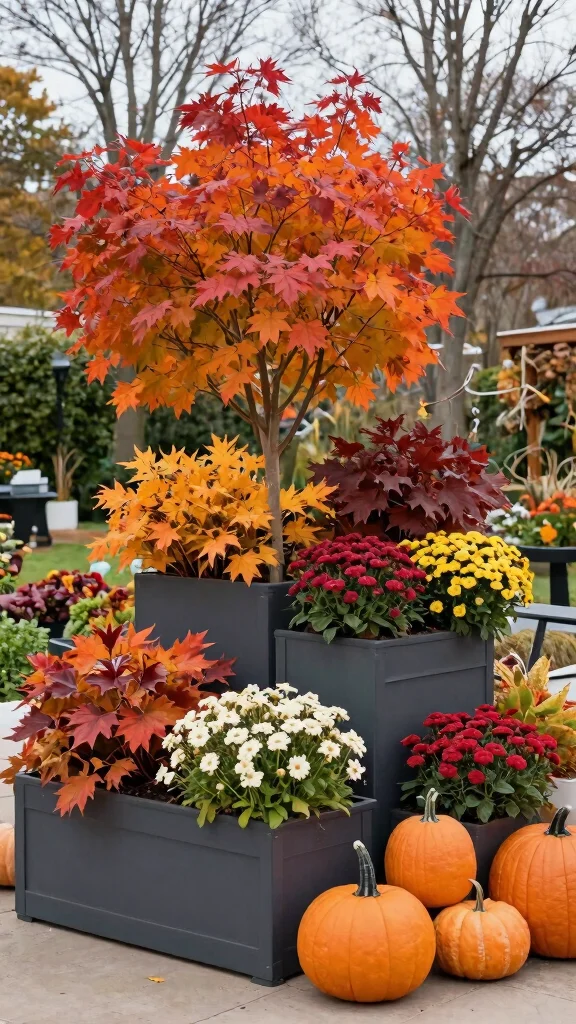
Want to keep your garden looking fresh throughout the year? Practicing seasonal rotation with your tall planter boxes can help you achieve that. This technique involves changing out plants according to the seasons, allowing for a variety of blooms and greenery all year long.
To successfully rotate your plants, research seasonal varieties that thrive in your climate. Planning your planting schedule in advance will help avoid empty planters during transitions. Incorporate both perennials and annuals for sustained beauty.
Key tips for seasonal rotation:
– Research seasonal plants suitable for your climate.
– Plan your planting schedule to avoid empty planters.
– Mix perennials and annuals for ongoing interest.
Seasonal rotation keeps your garden vibrant and healthy, providing a dynamic gardening experience that evolves with the seasons.
Fun fact: rotating plants in tall planter boxes by season can boost blooms by up to 40% year-round. Plan ahead, swap in cool-season varieties, and you’ll enjoy fresh color from spring through fall without blank planters.
14. Eco-Friendly Planter Options
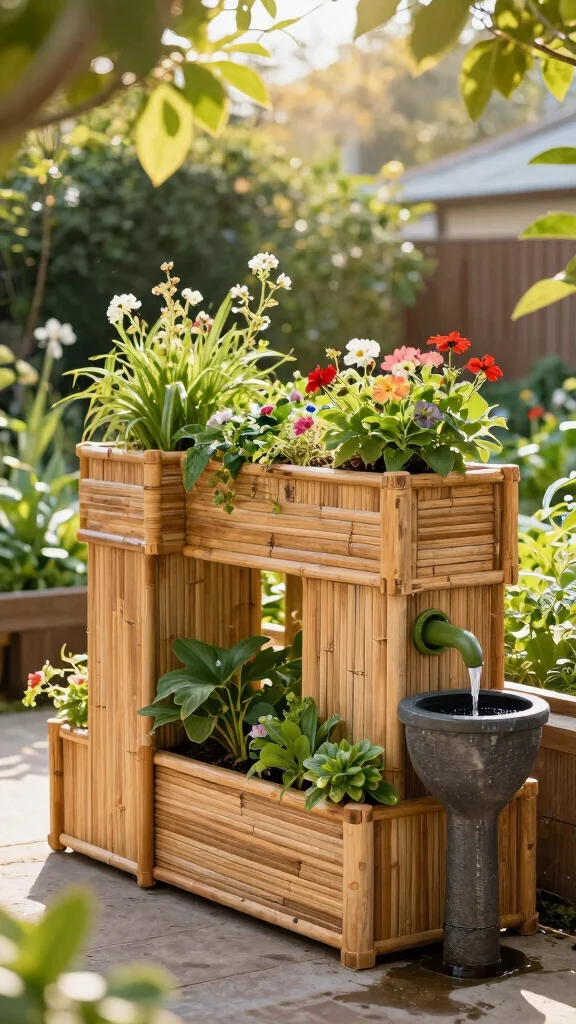
Interested in sustainable gardening? Your tall planter boxes can be eco-friendly too! Many brands now offer biodegradable and recyclable options that are not only attractive but also environmentally responsible. Consider swapping traditional plastic planters for bamboo or recycled materials to create a greener space in your backyard.
When choosing eco-friendly gardening options, select planters made from renewable materials like bamboo. Use organic soil and natural fertilizers to promote healthy growth without harmful chemicals. Incorporating a rainwater collection system can also help you water your plants sustainably.
Key tips for eco-friendly gardening:
– Choose renewable materials like bamboo or recycled composites.
– Use organic soil and natural fertilizers for healthier plants.
– Implement rainwater collection for sustainable watering.
By making eco-conscious choices, you contribute to a healthier planet while enjoying the beauty of nature in your home.
Did you know bamboo planters can cut plastic waste by up to 60% in small-space setups? Switching to eco-friendly tall planter boxes keeps your greens thriving and the planet happier.
Conclusion
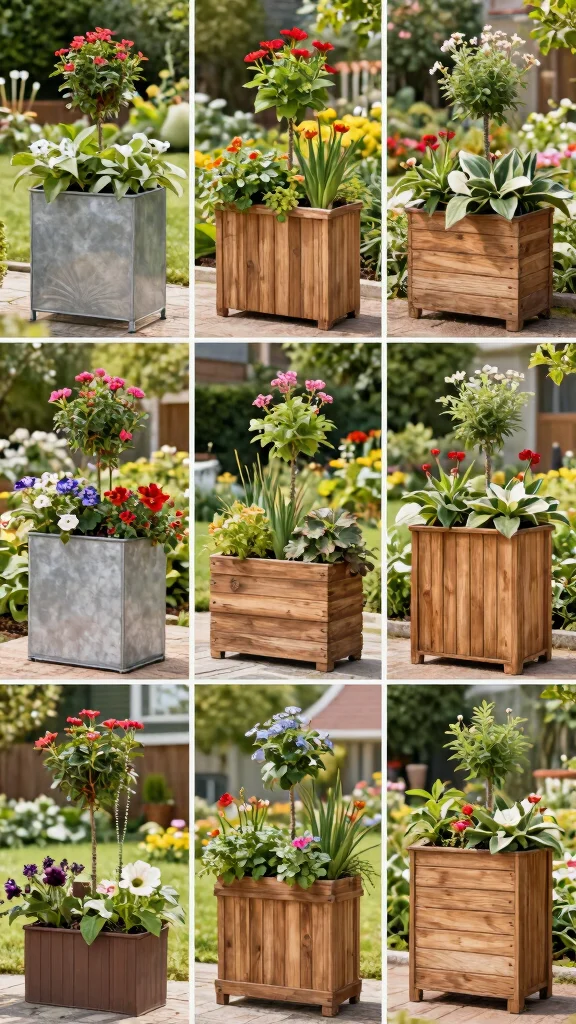
Tall planter boxes offer endless possibilities for transforming small spaces into beautiful gardens. From rustic wooden heights to elegant stone designs, there’s a style to fit every gardener’s taste. Embracing vertical gardening not only enhances your outdoor aesthetics but also creates functional spaces for growing your favorite plants.
With these 14 dramatic ideas, you’re well-equipped to take your gardening to new heights. Whether you’re a seasoned garden enthusiast or just starting out, these creative tall planter concepts are sure to inspire your next project!
Note: We aim to provide accurate product links, but some may occasionally expire or become unavailable. If this happens, please search directly on Amazon for the product or a suitable alternative.
This post contains Amazon affiliate links, meaning we may earn a small commission if you purchase through our links, at no extra cost to you.
Frequently Asked Questions
What exactly are tall planter boxes and why are they perfect for small spaces?
Tall planter boxes are elevated containers that turn vertical space into productive gardening areas.
They keep soil contained above ground level, which reduces bending and makes gardening more accessible.
For small spaces like balconies and narrow patios, tall planter boxes are a practical solution for space-saving gardening and elevated garden beds that support deeper soils and robust plants.
When choosing, look for weather-resistant materials, a sturdy frame, built-in drainage, and a height you can reach comfortably.
With the right design, you can grow herbs, greens, and compact vegetables without sacrificing floor space.
How do I choose the best tall planter boxes for my outdoor space?
Start with tall planter boxes height, depth, and stability to ensure the box won’t tip over in wind or when you reach for the plants.
Choose materials suited to your climate—weatherproof wood, resin, or powder-coated metal can all work, but check for UV resistance and longevity.
Consider the weight when filled, plus drainage and an overflow plan; built-in drainage holes or a removable tray helps manage water and keeps roots healthy.
Match the sun exposure of your space and pick varieties that fit the available light, then ensure the design is accessible for regular watering and pruning.
Also look for features you’ll actually use, like shelves, casters for mobility, or modular units that let you expand over time.
Which plants thrive in tall planter boxes and how should I arrange them for maximum yield?
Herbs, leafy greens, and compact vegetables thrive in tall planter boxes. For best results, use a tiered approach: the top tier is great for shallow-root herbs like basil, cilantro, and chives; the middle levels host leafy greens such as lettuce, arugula, and spinach; the bottom can hold deeper-rooted options like radishes, carrots, or cherry tomatoes if the box is deep enough. This is a core idea of vertical gardening solutions and is a great source of outdoor planter inspiration.
Group plants with similar water and sunlight needs, and use staggered planting to keep harvests continuous. Don’t forget to ensure good drainage and frequent but light watering to prevent soggy roots.
Can I DIY tall planter box designs and still get sturdy results on a budget?
Absolutely. DIY tall planter box designs let you customize height, material, and price. Start with a simple frame using weather-resistant boards, cut to the desired height, and add a bottom panel with drainage. Seal all joints, and install a splash-resistant liner or a thick landscape fabric to protect the wood. Elevate the box on sturdy legs or caster wheels for easy movement and to prevent moisture damage to your floor. Drill drainage holes and add a removable tray to avoid waterlogging. Finish with a weatherproof coating for longevity. This approach fits well with space-saving gardening and gives you DIY planter box designs tailored to your space and style.
What maintenance tips help keep elevated garden beds healthy in tall planter boxes?
Regular maintenance keeps tall planter boxes productive. Water deeply and consistently, using a drip timer if possible, and check drainage to prevent root rot.
Use a high-quality potting mix with compost and perlite for good structure in elevated garden beds and avoid heavy garden soil that compacts in a container.
Feed with balanced fertilizer or compost tea every few weeks during the growing season.
Inspect for pests and diseases and apply organic controls as needed.
In winter, drain excess moisture and store or cover boxes to extend their life.
Refresh soil annually or after a few seasons to maintain space-saving gardening efficiency and plant health.
Recommended Products
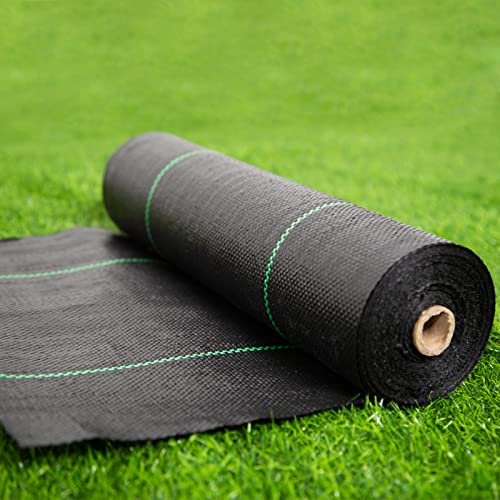
【Premium Weed Barrier Fabric】 Made of thick polypropylene woven fabric, this heavy duty weed barrier fabric is durable and helps keep your garden and flower beds free of weeds for long-term use.

✅ PROFESSIONAL GRADE NON-WOVEN LINER - This heavy-duty black fabric liner is engineered specifically for raised bed gardening. Unlike woven barriers, our breathable non-woven material allows optimal air and water flow to prevent root rot while acting as a superior weed blocker and soil containment barrier.
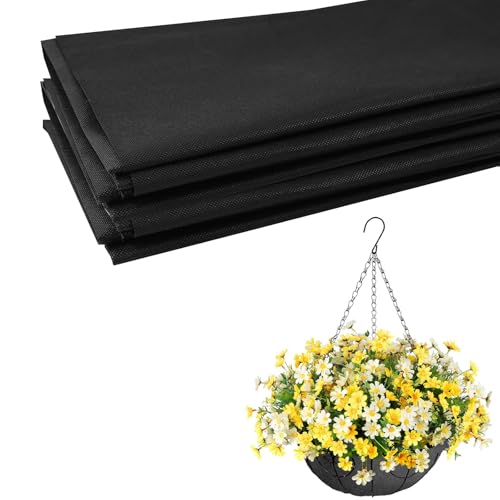
【Durable Material】 This planter liner crafted from super strong nonwoven fabric. It won't crack or tear—perfect as a durable greenhouse bed liner for cold season gardening. It's ideal for northern winter greenhouses or covered patios, withstanding heavy soil, frequent watering, and the moisture fluctuations of enclosed greenhouse environments. Reducing long-term replacement costs for vegetable growers. Great for supporting cold-hardy crops like spinach, lettuce, and radishes.
Related Topics
tall planter boxes
vertical gardening
elevated garden beds
DIY planter designs
space-saving gardening
outdoor planters
small space solutions
urban gardening
container gardening
beginner friendly
sustainable gardening
creative planters