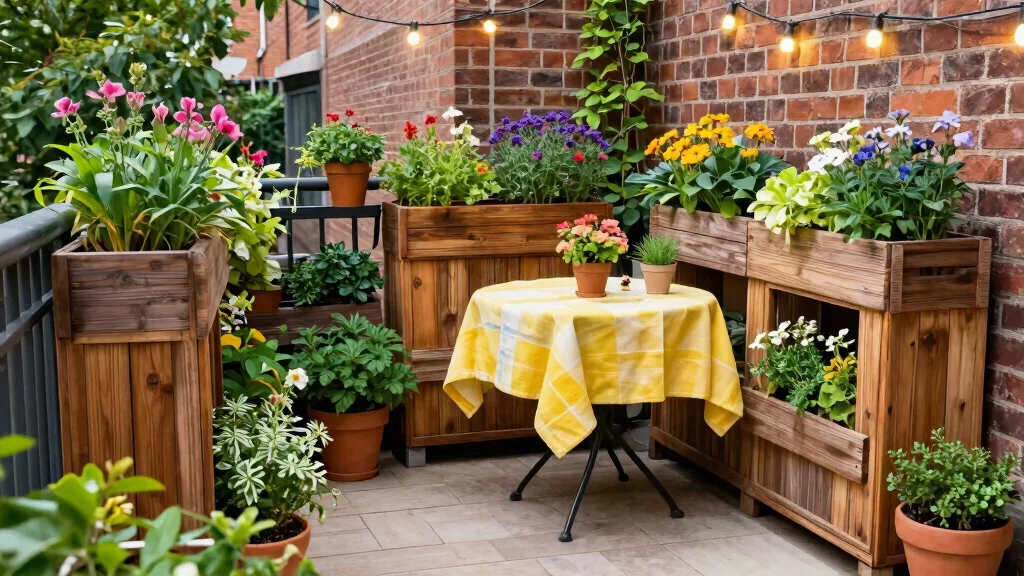
Are you looking to infuse some life into your garden while maximizing limited space? If so, you’re in the right spot! I’ve been on a mission to explore the world of planter boxes, and it’s truly inspiring to see how they can transform any outdoor area. Whether you’re a seasoned gardener or just starting out, you’re probably craving fresh ideas to make the most of your space. With so many innovative designs out there, it’s exciting to think about how you can incorporate greenery into your life.
This post is crafted specifically for those of you who love gardening but may not have a sprawling backyard. If you’re into creating vibrant spaces, especially in apartments or small homes, then you’ll find this guide especially helpful. You’ll discover 14 unique planter box ideas that are not only visually appealing but also practical. Each idea will help you bring your gardening dreams to life, even in the tightest of spots.
Get ready to dive into a treasure trove of styles! From rustic wooden vertical planters to chic metal designs, these ideas are perfect for growing herbs, vegetables, and flowers right at home. You’ll walk away with creative tips and inspiration that will allow you to design your own vertical gardens and raised planter boxes. Let’s transform your gardening experience into something fresh and exciting!
Key Takeaways
– Explore 14 innovative planter box ideas that suit small spaces, allowing you to maximize your gardening potential without a large yard.
– Discover DIY planter box designs that empower you to create personalized outdoor decor tailored to your tastes.
– Learn about vertical gardening boxes that help you grow a variety of plants, from herbs to vegetables, in a compact manner.
– Uncover practical container gardening tips to ensure your plants thrive, emphasizing the importance of soil, drainage, and placement.
– Get inspired by different wooden planter box designs, each providing a unique aesthetic while enhancing your garden’s charm.
Recommended Products
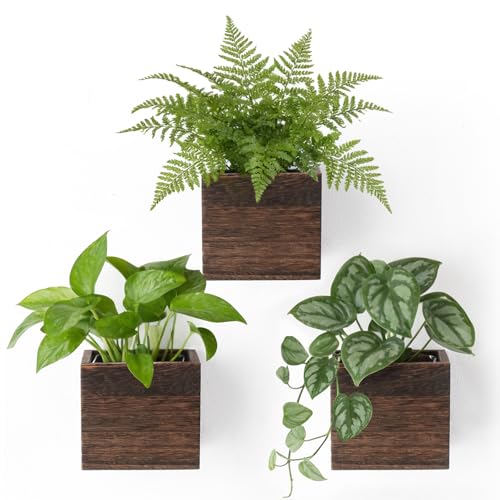
Complete Set & Ready to Use: A set includes 3 wooden square flowerpots and 3 transparent plastic boxes (Note: Plants are not included). The size of the wooden flowerpot is 4''×4''×3.5", and the size of the transparent plastic box is 3.1''×3.1". It comes with all the necessary accessories and can be used after simple installation
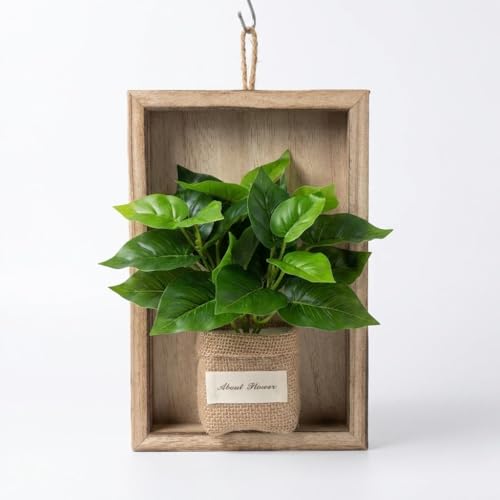
RUSTIC FARMHOUSE AESTHETIC: Elevate your home with the natural charm of handcrafted wood. The ZENSEWEN wall planter combines a distressed wooden frame with a vintage burlap sack to create a warm, cozy atmosphere perfect for farmhouse, boho, or modern rustic interiors

Top Width: 170mm/6.69"; Bottom Width: 130mm/5.12"; Height: 240mm/9.45"; Inner Depth: 210mm/8.27".
1. Rustic Wooden Vertical Planter
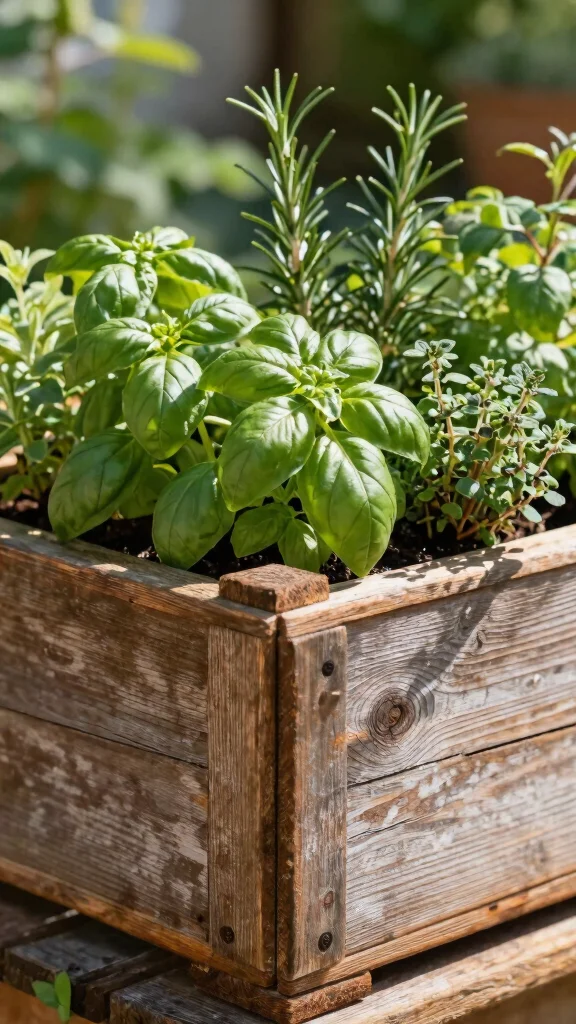
If you’re looking to add charm to your garden, a rustic wooden vertical planter might be just what you need. Made from reclaimed wood, this design introduces a warm, natural vibe that complements any outdoor space. You can create multiple tiers for a stunning multi-level garden, perfect for herbs or vibrant flowers that catch the eye.
Start with untreated wood to ensure your plants thrive with proper drainage. This approach not only preserves the health of your plants but also keeps the wood looking beautiful over time.
Here’s how to customize your rustic planter:
– Sand the wood to avoid splinters.
– Add a waterproof liner for moisture retention.
– Attach wheels for easy mobility.
This planter not only showcases your plants beautifully but enhances the rustic aesthetic of any small space.
Recommended Products

AMPLE PLANTING SPACE: Designed with a long bed space (2.65 CuFT) deep enough to provide your plants and vegetables with ample room to breathe and grow healthy; perfectly sized for kids and other fledgling gardeners!


Key Trade-offs & Our Top Pick
Option 1: Rustic Wooden Vertical Planter
– Pros:
– Adds a warm, natural look to your garden.
– Provides support for climbing plants with its vertical structure.
– Cons:
– Wood can rot over time if not treated properly.
– Requires regular maintenance to keep it looking good.
– Best for: Those who want an attractive, eco-friendly planter that complements any garden style.
Option 2: Vertical Garden Ladder
– Pros:
– Easy to access plants at different heights.
– Perfect for small spaces; it uses vertical space efficiently.
– Cons:
– Limited planting area on each shelf.
– May become unstable if not properly anchored.
– Best for: Urban gardeners with limited space who want a stylish display for herbs or flowers.
Option 3: Metal Pipe Planters
– Pros:
– Durable and resistant to weather conditions.
– Unique, industrial look that can add character to your garden.
– Cons:
– Can be heavy and difficult to move once set up.
– Metal can heat up quickly, potentially harming sensitive plants.
– Best for: Gardeners looking for a sturdy and modern option that stands out.
Option 4: Hanging Planter Boxes
– Pros:
– Saves floor space and adds visual interest.
– Ideal for trailing plants, creating a lush effect.
– Cons:
– Requires sturdy mounting to avoid accidents.
– Limited space for larger plants.
– Best for: Those who want to maximize vertical space and showcase trailing plants.
Option 5: Vertical Herb Garden on a Wall
– Pros:
– Convenient for cooking; fresh herbs are just an arm’s reach away.
– Aesthetic appeal with a mix of colors and textures.
– Cons:
– Needs wall space and proper sunlight exposure.
– Requires consistent watering and maintenance.
– Best for: Home cooks who love fresh herbs and want to add greenery to their kitchen.
Best Overall: Rustic Wooden Vertical Planter
The rustic wooden vertical planter stands out as the top choice for most gardeners. ✔ It combines beauty and functionality, allowing you to grow a variety of plants while enhancing your outdoor space. The wood lends a natural charm, making it perfect for any garden style, from traditional to modern. Plus, with proper care, it can last for years, giving you great value for your investment.
Why We Picked This:
While the rustic wooden vertical planter is our top pick, you might prefer other options based on your specific needs. If you’re short on space, the vertical garden ladder or hanging planters could be better suited for your setup. For those who desire durability, metal pipe planters can withstand the elements well. Ultimately, the best choice depends on your gardening goals, space, and style preferences. Make sure to consider each option’s pros and cons before making your decision!
Recommended Products

Easy to Assemble: The galvanized garden beds outdoor manual includes a clear parts list and installation steps, which can save your time and assist you in assembling the galvanized garden beds quickly.

High-Quality PE Material with Drainage Hole: Crafted from durable and flexible PE material, these grow bags are built to withstand outdoor conditions without cracking. The bottom drainage hole provides essential airflow to roots and prevent overwatering and root rot, ensuring your plants thrive in a well-aerated environment.
2. Vertical Garden Ladder
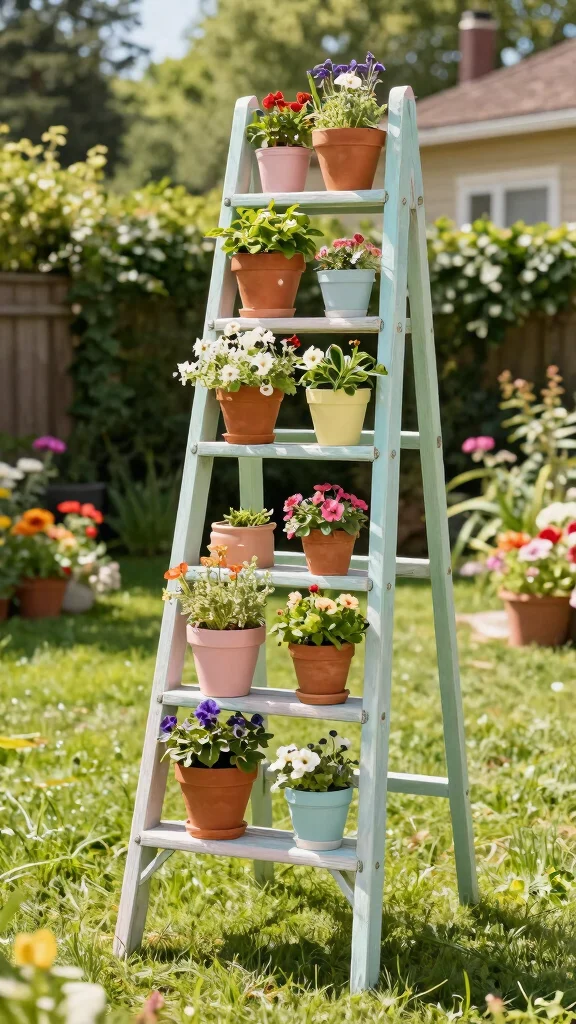
A vertical garden ladder is a creative way to maximize your space while displaying your favorite plants. This design allows you to use the rungs of an old ladder to hold planter boxes, creating a stunning visual effect that’s sure to impress. Ideal for trailing plants, this setup adds depth and interest to your garden.
To make your own, simply find an old wooden ladder, sand it down, and give it a fresh coat of paint. This DIY project is as fun as it is functional!
Here are some steps to get started:
– Choose plants like succulents or ferns for a lush look.
– Secure the ladder to a wall for stability.
– Mix pots of varying sizes for added dimension.
This unique garden idea easily becomes a focal point in your outdoor space, combining greenery with personality.
Recommended Products

Natural Wooden: Our round wooden board features a unique slit opening and pre-drilled holes specifically engineered for epiphytic plants to mimic their native tree-bark environment for thriving health

2 PACK SET: 29x90cm (11.4" x 35.4"). Pick the right size for your plants to prevent unpleasant experience and possible wastage on resources. Plants, flowers, pots, decorations are NOT included

【You will get】Size: 11.4"W x 23.62"H (2 Pcs)丨(Plants, flowers, pots & decor not included.) Material & Color: Premium solid wood (no particle board), carbonized for a rich dark brown finish, enhanced durability, and striking natural grain.
3. Metal Pipe Planters
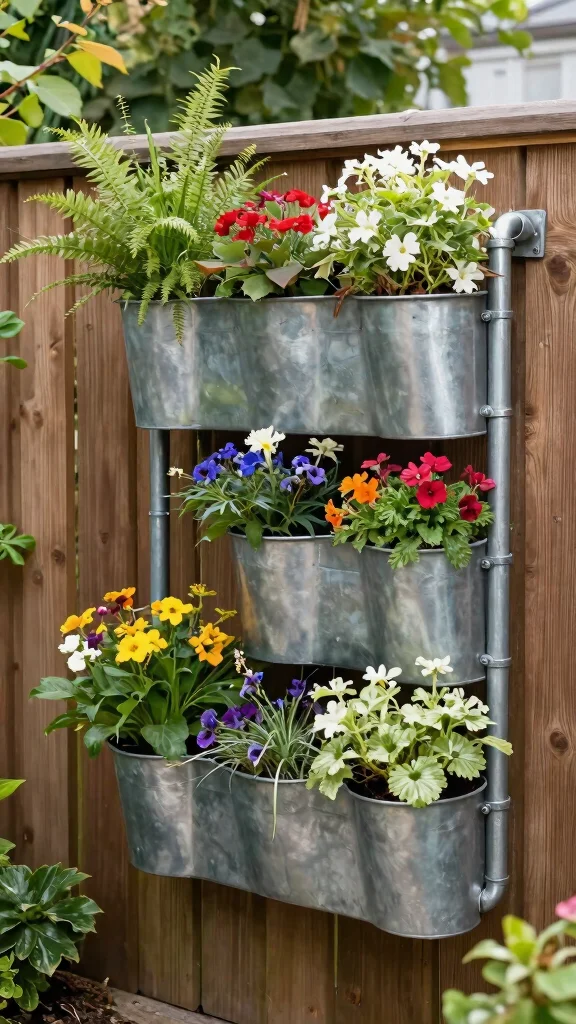
For a modern twist, consider using metal pipes to create vertical planters. Their sleek design allows for various configurations, making them adaptable to your space. Lightweight yet durable, metal planters add an industrial flair to your garden that stands out beautifully.
To create your own, gather metal pipes of different lengths and cut them to size, ensuring drainage holes are included. This project is simple yet impactful!
Here’s how to get started:
1. Cut pipes to desired lengths.
2. Secure pipes vertically on a wall with brackets.
3. Fill with soil and your favorite plants.
These planters are perfect for small spaces and provide a striking contrast to vibrant foliage.
Fun fact: vertical metal pipe planters maximize tiny spaces—one compact setup can grow 6 herbs in under 4 feet of wall. Plus, their industrial vibe makes planter boxes feel sleek, durable, and incredibly easy to customize.
Recommended Products
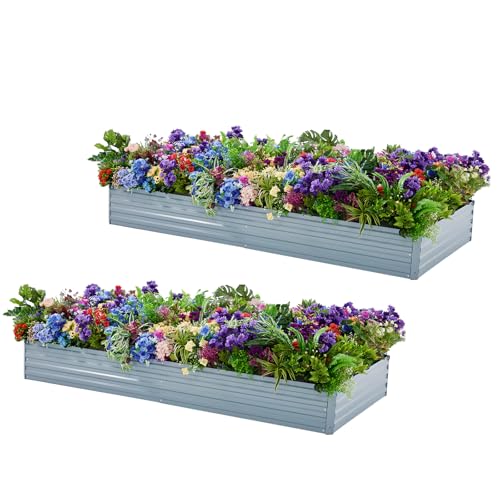
Size: 2 pack set in one box! 72"(L) x 36"(W) x 12"(H), growing area of this garden bed perfect for an array of vegetables, herbs, and flowers in your yard

【PERFECT FOR SMALL SPACES】 – At 6'L x 3'W x 1'H, this 2-pack fits where 8x4 beds won't. Ideal for small yards, patios, balconies, or narrow garden strips. Get two beds without taking over your whole yard – great for urban gardening or starter vegetable gardens.

【400LBS Capacity & Lifetime Anti-Rust】 Crafted from heavy-duty powder-coated iron (not cheap wood!), this raised bed holds up to 400lbs without bending. The 3x thicker coating ensures it won't rust for years, even in rain or snow. This is the last garden bed you'll ever need to buy."
4. Hanging Planter Boxes
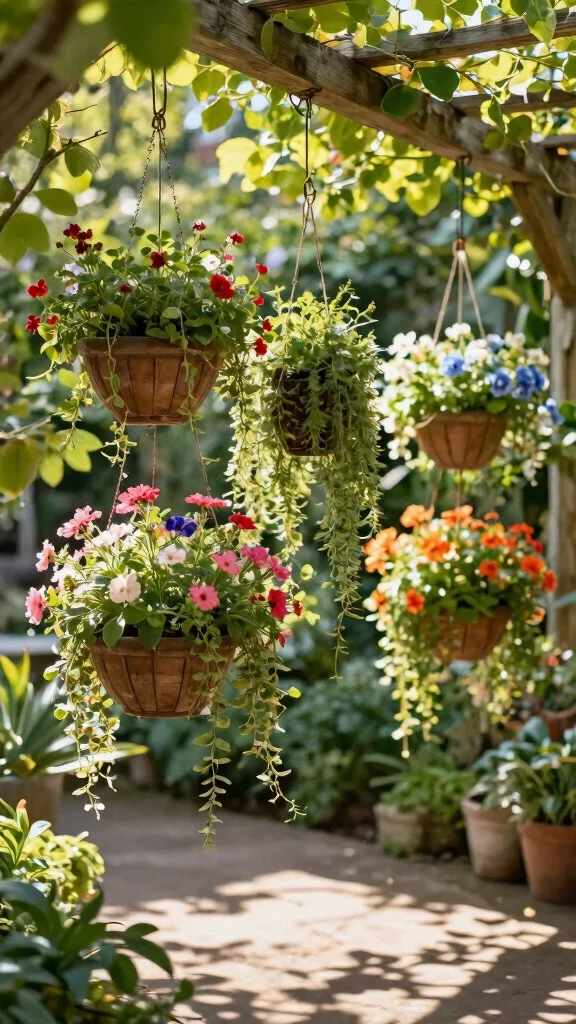
Hanging planter boxes are an excellent choice for those wanting to add greenery without sacrificing ground space. These planters can be suspended from walls, ceilings, or even trees, creating a whimsical garden atmosphere.
To make your own, use sturdy hooks and lightweight boxes; baskets can add a rustic touch. This project is easy and rewarding!
Here are some tips for success:
– Ensure pots have proper drainage holes.
– Use lightweight soil mixes to ease stress on hangers.
– Combine various plants for visual contrast.
The beauty of hanging planter boxes lies in their ability to create a lush, layered look, enriching any garden or balcony.
Recommended Products
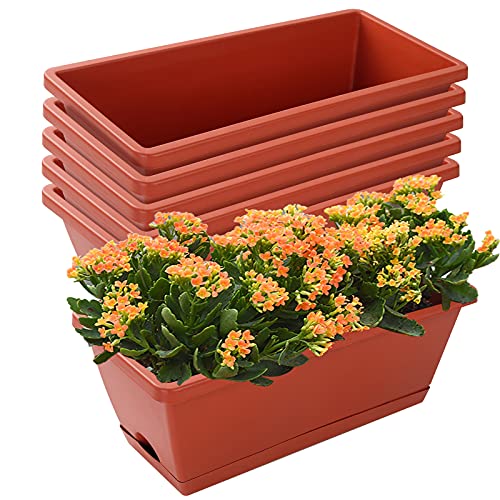
WINDOW BOX PLANTERS DIMENSIONS - Includes pack rectangular plastic planters. The size of plastic flower planters: L16.6 x W7 x H5.9 inches, large enough to support any projects and ideas. Great for herbs, flowers, foliage, grass, cactus, succulents, ferns, arborvitae and more.

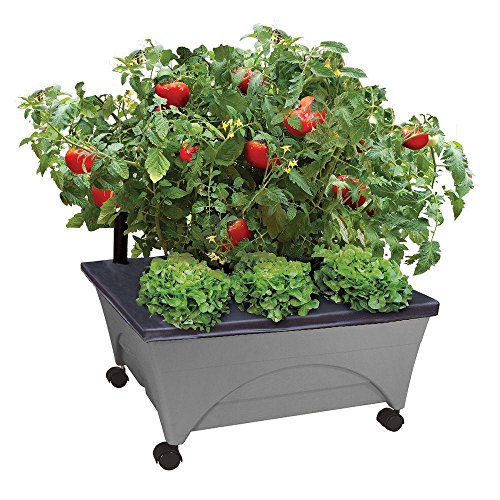
CONVENIENT MOBILE RAISED BED GROW BOX – The city picker is the ultimate raised bed gardening system. The unit is mobile and features four swivel casters for easy transport and sun tracking that works great in areas with limited space. The unit is perfect for patios, apartments, or even fire escapes
5. Vertical Herb Garden on a Wall

Transform your cooking space with a vertical herb garden mounted on the wall. This maximizes your growing area while providing fresh herbs right at your fingertips!
Use small planter boxes or create a grid structure for individual pots. It’s a fantastic way to liven up your kitchen or patio.
Follow these steps to create your vertical herb garden:
1. Choose herbs like basil, cilantro, and mint that thrive in your climate.
2. Arrange your pots in an organized pattern.
3. Ensure easy access for regular harvesting.
4. Consider a drip irrigation system for easy maintenance.
This idea not only saves space but also inspires creative cooking with fresh ingredients!
Recommended Products

【3 Tier Raised Garden Bed】The vertical garden planter adopts a tiered design, so there is enough space to plant and divide vegetables, herbs, flowers, etc. Save a lot of space for you and keep your garden well organized.

Sturdy and Durable-The vertical garden planter is made with a sturdy all-metal frame to ensure durability and longevity. The stable triangular design provides reliable support for your herbs, flowers, vegetables and more

Spacious 5-Tier Growing Area: Designed with 5 separate planting boxes, this garden planter provides generous room for growing fruits, succulents, vegetables, or colorful flowers while keeping your gardening area neatly organized in one place.
6. Pallet Planter Boxes
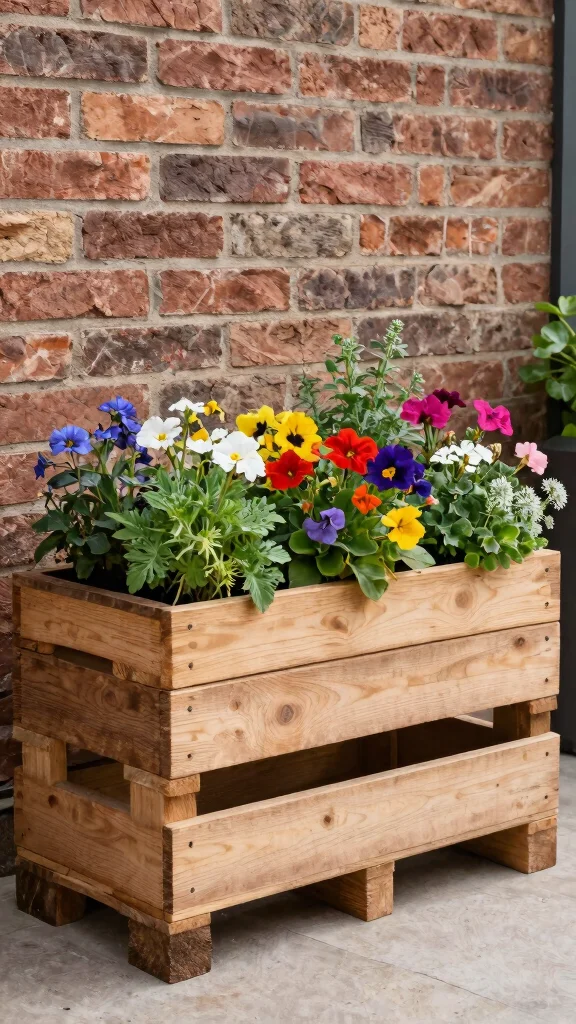
Repurposing pallets into planter boxes offers a fun and eco-friendly gardening solution. Pallets can be stacked and arranged in various ways, creating an attractive vertical garden.
To create a pallet planter, start with a clean, untreated pallet. This DIY project is not only sustainable but also creative!
Here’s how to make it:
– Sand rough edges to prevent splinters.
– Fill the gaps between the slats with soil.
– Secure the pallet against a wall for stability.
With this style, you can grow a variety of flowers, herbs, or small vegetables, adding character to your garden!
Fun fact: pallet planter boxes in a stack can host 6–8 herbs in a compact vertical garden, turning tiny spaces into lush yields. Sand, fill, and secure—your sustainable, creative pallet planter boxes are ready in just a weekend.
Recommended Products
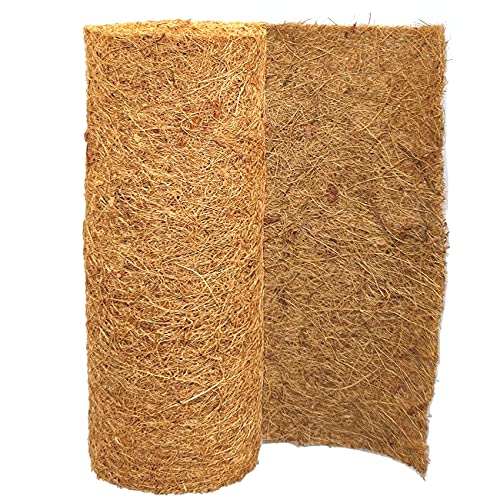
The thick coco fiber roll is made of 100% natural coconut coir fibers, eco-friendly, healthy
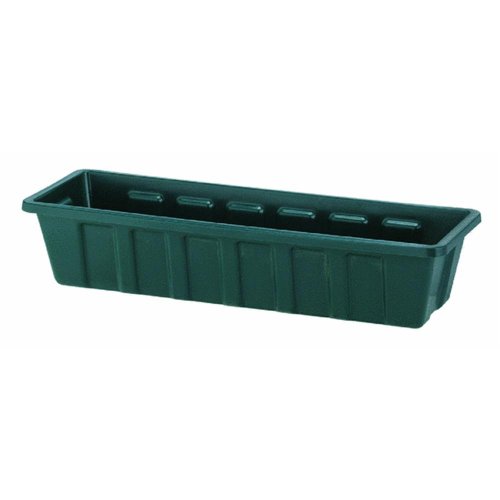
Ridged sides provide sturdiness and durability

Ridged sides provide sturdiness and durability
7. Tiered Planter Boxes
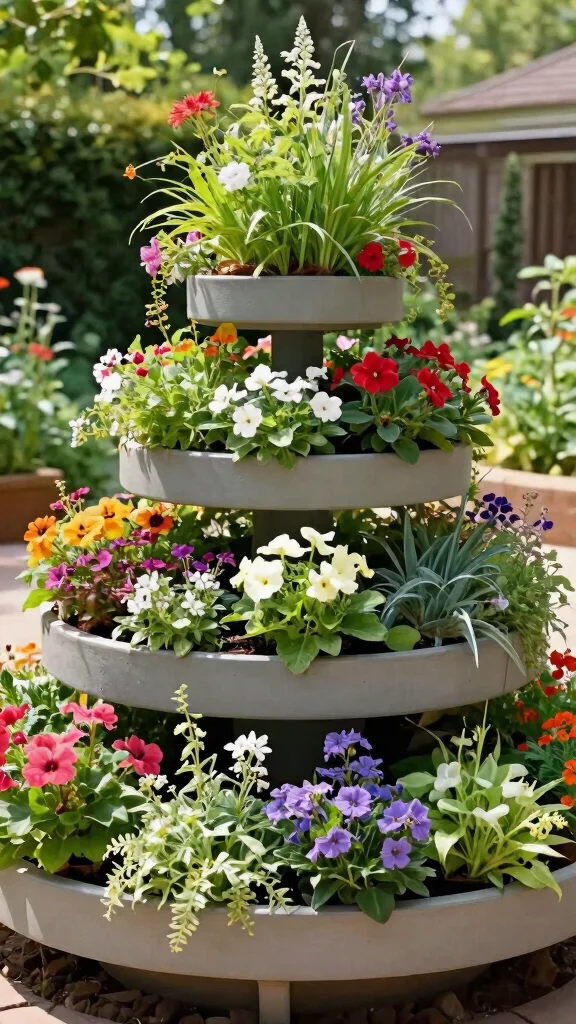
Tiered planter boxes provide an impressive display of plants while saving valuable ground space. This design features multiple levels, allowing you to cultivate a diverse range of plants.
You can build your own using wooden boards or plastic containers to create a cascading effect in your garden.
To create a tiered planter, follow these steps:
– Decide how many tiers you want.
– Ensure each level has proper drainage holes.
– Select plants that thrive at varying heights for visual interest.
This approach not only adds depth to your garden but invites an eye-catching design.
8. Vertical Vegetable Garden
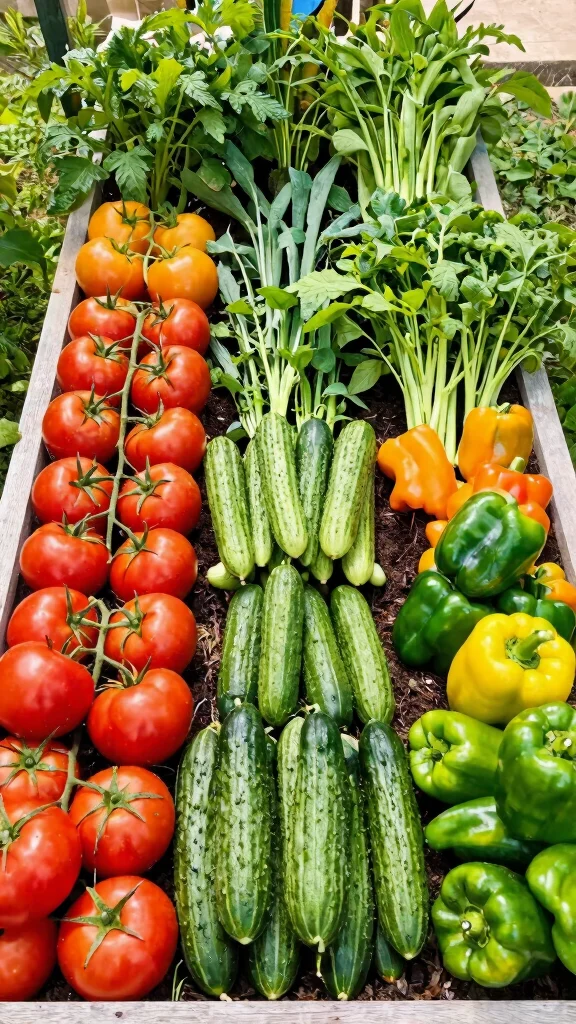
A vertical vegetable garden is a brilliant way to grow fresh produce, making it suitable for even the tiniest spaces. This setup can be accomplished using vertical planters or stacking containers, allowing for easy access and bountiful harvests.
To get started, choose vegetables that grow well vertically, such as tomatoes, cucumbers, or peas. This method is both fun and productive!
Here’s how to create your vertical vegetable garden:
– Select a sturdy vertical planter or build a trellis system.
– Ensure proper sunlight exposure, ideally 6-8 hours daily.
– Water regularly and use balanced fertilizer for optimal growth.
This garden style not only enhances your gardening capabilities but promotes a healthier lifestyle through homegrown food!
Recommended Products
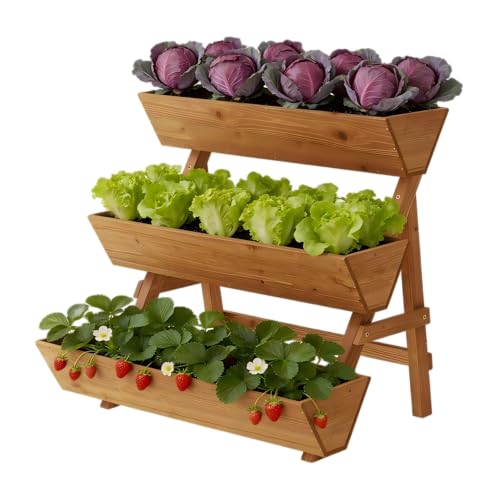
【Perfect Design】: The 3-tier planter box design will not take up too much floor space, which can separate and organize the sections as well as grow different kinds of plants. In addition, the trapezoidal design allows all plants to enjoy full sunlight for better growth. The box bottom of each tier is equipped with drainage holes to help drain excess water and prevent root rot.

【Perfect Design】-The perfect solution for any gardening enthusiast who wants to save space and grow plants in style! Our vertical garden planter is not only functional but also aesthetically pleasing, adding a touch of elegance to any outdoor or indoor space

【4 Tier Vertical Raised Garden Bed】: Vertical garden planter size: 16.8*18.3*41.5 inches. Planter box size: 16.8*7.02*5.5 inches. The compact size enables our raised planter box to fit well in your patio balcony, deck, or backyard. The vertical design with suitable height will not restrict the growth of the lower level plants and keep away from the constant bending plantation work.
9. Vertical Succulent Garden
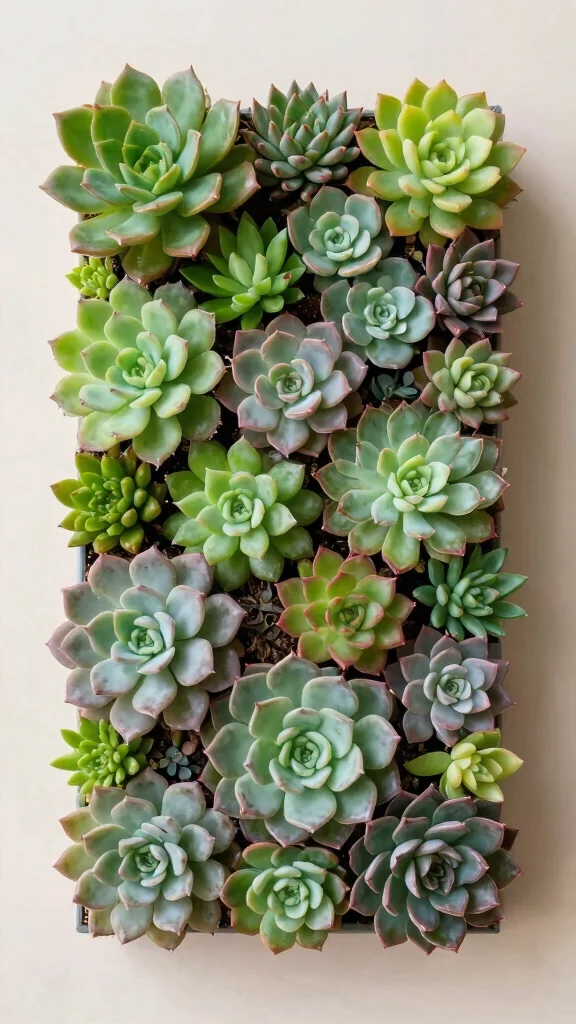
Succulents are ideal for vertical gardening due to their low maintenance and diverse styles. A vertical succulent garden can bring a unique flair to your space using wall-mounted planters or freestanding structures.
To create your own, start by selecting a variety of succulents with different shapes and colors. This project is a creative way to showcase your love for plants!
Here’s how to set it up:
1. Use a sturdy frame to hold the planters securely.
2. Mix textures for visual interest.
3. Ensure good drainage to keep your succulents healthy.
This style serves as an eye-catching display and a creative way to incorporate plants into your home.
10. Wall-Mounted Planter Boxes
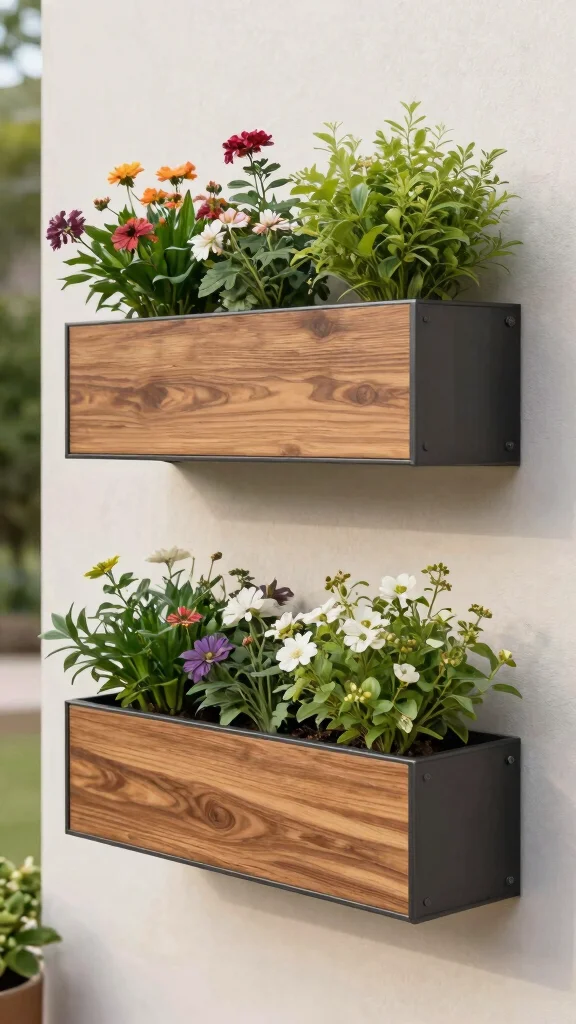
Wall-mounted planter boxes offer a delightful way to incorporate greenery into your decor. These boxes can be affixed to walls in any part of your home or garden, providing a unique touch to your space.
To set them up, choose attractive wall planter boxes made from wood or metal. This project can be both artistic and functional!
Here’s how to arrange them:
– Mix different sizes and shapes for visual appeal.
– Plant a combination of flowers and herbs for color and fragrance.
This approach not only enhances the beauty of your walls but also allows for easy access to fresh herbs.
Did you know vertical wall planter boxes can free up 60% of floor space in small spaces? Mix different sizes and textures to create a living, artistic wall with planter boxes—plant flowers and herbs for color, fragrance, and fresh picks at your doorstep.
11. Raised Planter Boxes
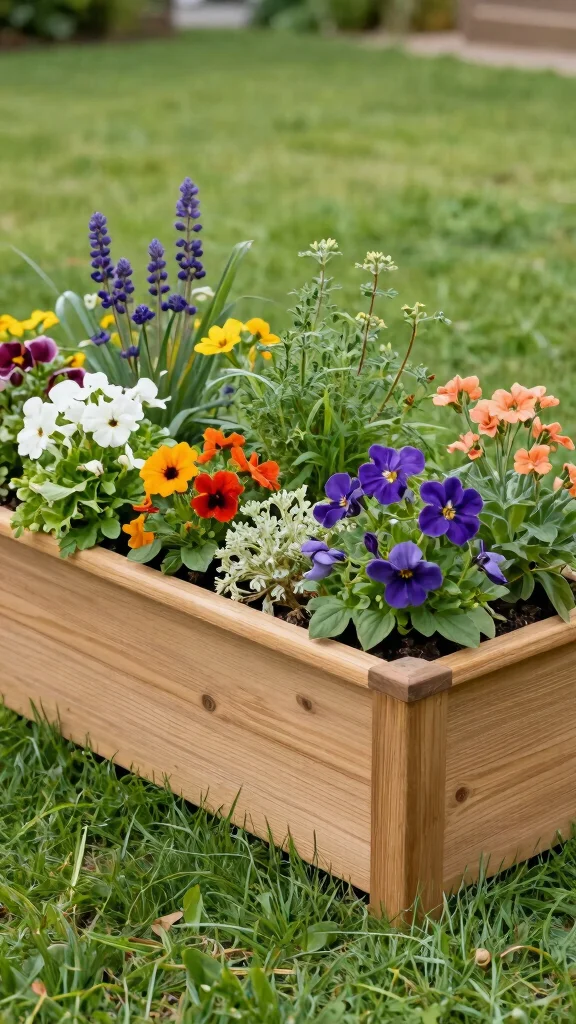
Raised planter boxes elevate your gardening experience, simplifying planting and harvesting while reducing strain on your back. These planters can be crafted from wood, bricks, or even recycled materials, making them versatile and eco-friendly.
When building raised planter boxes, choose a comfortable height for easy access. This project is practical and rewarding!
Follow these tips:
– Ensure the base has good drainage to prevent waterlogging.
– Line the bottom with landscaping fabric to keep soil in.
These planters are ideal for growing vegetables, herbs, and flowers, making them essential for any garden, no matter its size.
12. Stackable Container Planters
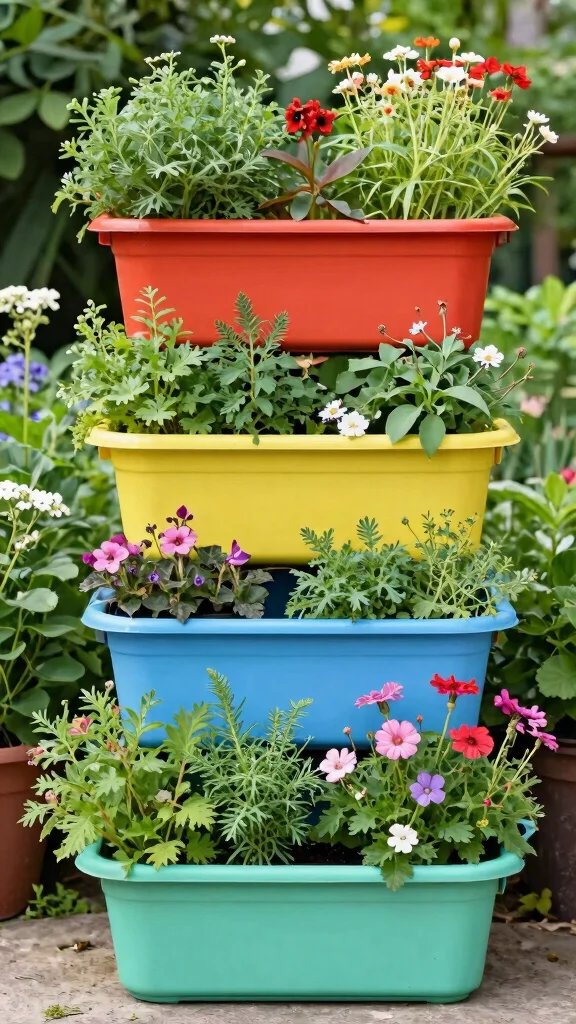
Stackable container planters are fantastic for maximizing vertical space while nurturing a variety of plants. These planters can be arranged in different configurations, allowing you to change the layout as desired.
To use stackable containers, choose designs that stack securely without tipping. This project is both practical and playful!
Here’s how to set it up:
– Fill containers with high-quality potting soil.
– Select plants that thrive under similar conditions.
– Monitor watering to prevent over-saturation in upper tiers.
This idea not only saves space but adds a fun touch to your garden aesthetics.
13. Vertical Strawberry Planters
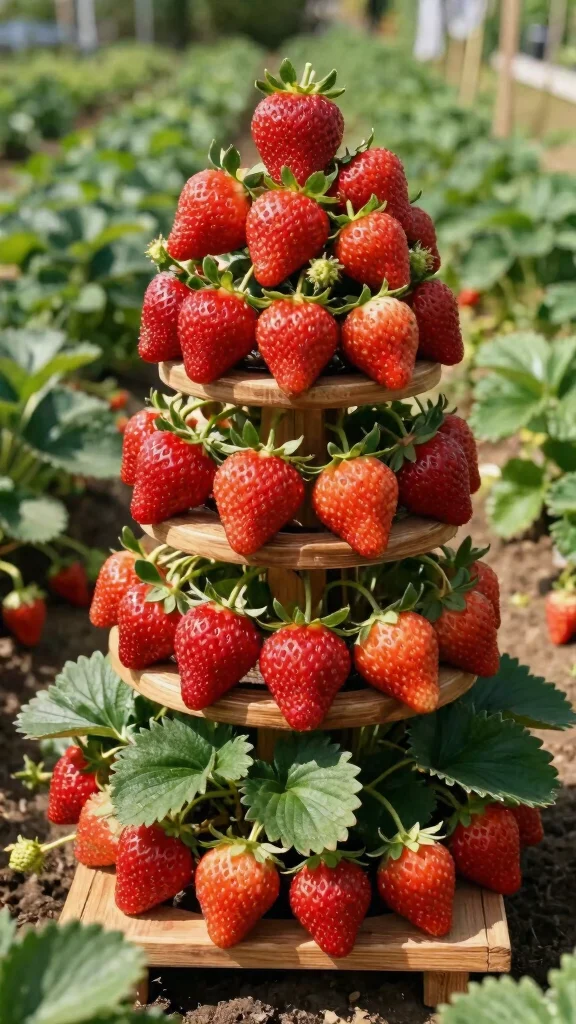
Growing strawberries in vertical planters can be both an enjoyable and rewarding experience. This setup allows you to cultivate many strawberries without taking up much ground space.
To create a vertical strawberry planter, use tiered pots or a specially designed vertical planter. This project is especially fun for families!
Here’s how to do it:
– Ensure each pot has adequate drainage holes.
– Choose everbearing strawberry varieties for continuous harvest.
– Position your planter to receive ample sunlight.
This delightful gardening project is sure to be a hit, especially for families looking to enjoy fresh fruit straight from their garden.
14. Vertical Flower Wall
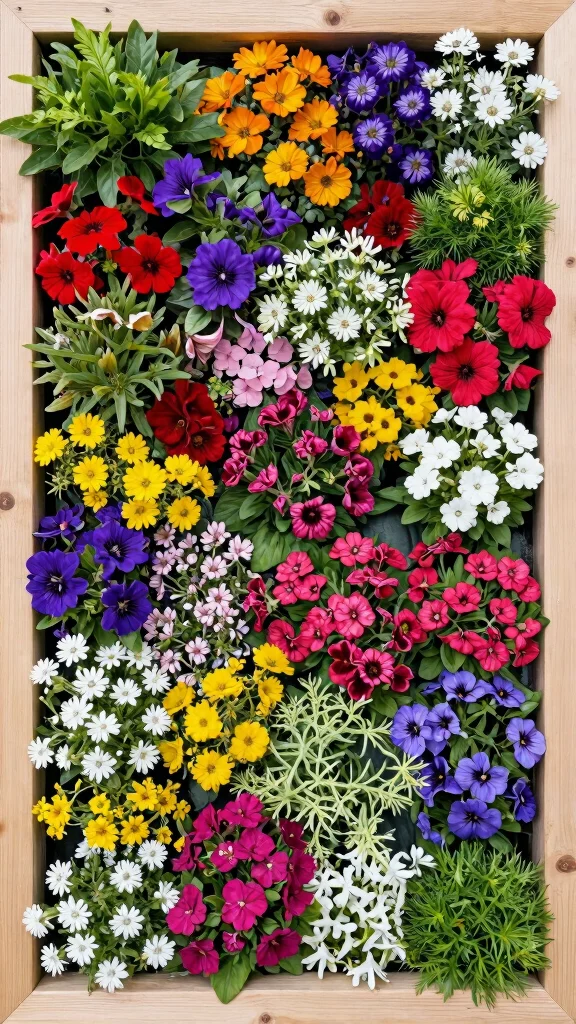
A vertical flower wall can turn any ordinary space into a breathtaking floral display. This design involves creating a wall of flowers using planter boxes or pockets specifically designed for blooms.
To create your flower wall, start with a sturdy frame to hold your planters. This project adds beauty and charm!
Here’s what to do:
– Choose a mix of flowering plants that bloom at different times for year-round color.
– Ensure the wall receives enough sunlight and set up a drip irrigation system for easy watering.
This stunning setup not only enhances your outdoor space but also serves as a beautiful backdrop for events and gatherings.
Conclusion
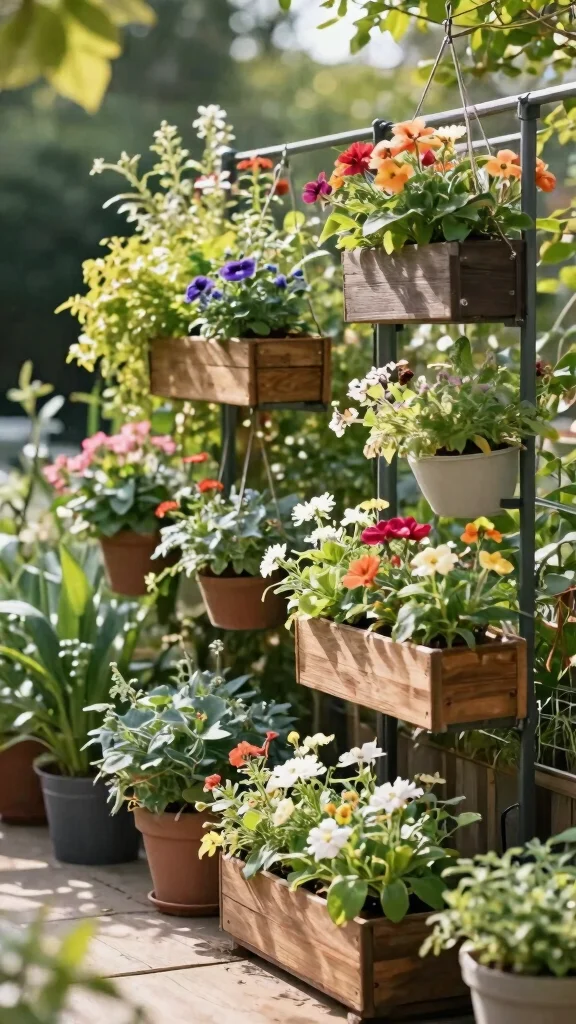
Transforming your gardening experience with vertical planter boxes opens up a world of creativity and possibilities.
From rustic wooden designs to sleek metal models, these ideas can fit any style and space. Embrace the joy of growing your own plants, herbs, and vegetables while maximizing your limited area, and you’ll find that even the smallest spaces can become lush gardens filled with life.
So roll up your sleeves, gather your materials, and start planting your very own vertical garden today!
Note: We aim to provide accurate product links, but some may occasionally expire or become unavailable. If this happens, please search directly on Amazon for the product or a suitable alternative.
This post contains Amazon affiliate links, meaning we may earn a small commission if you purchase through our links, at no extra cost to you.
Frequently Asked Questions
What are the best vertical planter box ideas for small spaces?
Vertical planter boxes are a game-changer for small spaces. For vertical gardening boxes, consider wall-mounted wooden planter box designs like thin frames with a few pots, or modular tiered units that fit tight corners.
Try DIY projects such as repurposed pallets into a vertical planter frame or hanging fabric pockets for herbs and greens. Ensure proper drainage and lightweight soil mix, and use a drip irrigation line to keep watering manageable in a busy space. Remember to mind sun exposure and weight limits on your walls or balcony supports.
With the right setup, you can grow fresh herbs, greens, or compact vegetables using planter boxes in even the smallest balcony or patio.
How do I decide between raised planter boxes and traditional planters in a small garden?
Raised planter boxes offer better drainage and soil control, which helps with container gardening tips in a small space. They are great for elevating pots to a comfortable height and for keeping soil contained in balconies or porches.
Consider dimensions that fit your area, and choose durable materials like cedar or composite. For a quick comparison, tally weight when filled, sun exposure, and drainage needs. If you want a flexible setup, combine raised planter boxes with movable containers to reconfigure as your gardening season changes.
Pro tip: line the bottom with landscape fabric and use a high-quality potting mix to maximize root growth without soil compaction.
What are easy DIY planter box ideas I can build in a weekend?
Here are a few DIY planter box ideas you can finish in a weekend. Start with a simple rectangular wooden planter box using exterior grade boards—seal with a weatherproof finish and add a bottom drainage layer. Next, build a corner planter that fits tight angles on a balcony, or try a vertical pallet planter for vertical gardening boxes in small spaces.
For something faster, assemble a wooden planter with pre-cut panels or create a wall-mounted window box using basic brackets. Each project teaches wooden planter box designs that are durable for outdoor use and easy to customize with your chosen plants.
What container gardening tips work best for vertical gardening boxes?
Group plants with similar sun and water needs in your vertical gardening boxes. Use a light, breathable potting mix and ensure each planter has drainage. Install a thin liner to protect the wood from moisture while keeping soil from leaking onto surfaces, and consider a simple drip irrigation line for easy watering. If you’re growing herbs or leafy greens, choose compact varieties and position them where they receive the right hours of sun. For stability on walls or railings, pick thin, sturdy boxes and secure them properly. Remember container gardening tips help your small-space garden stay healthy and productive.
Which wooden planter box designs are durable for outdoor patios?
Durable outdoor wooden planter box designs start with choosing rot-resistant wood like cedar or redwood, or a high-quality treated lumber with exterior sealant. Build with water drainage in mind: add a bottom reservoir or spacers to prevent wood rot, and ensure good airflow. For patios, consider freestanding boxes on short legs or wall-mounted boxes with brackets to save floor space. Use weatherproof finishes and sealants, and periodically maintain by re-sealing every season. With these tips, your wooden planter box designs will look great and last for years, turning your patio into a lush, space-saving garden.
Recommended Products

Ridged sides provide sturdiness and durability

Premium Durable & Functional Non-Woven Fabric: Crafted from heavy-duty, ultra-durable non-woven fabric, this landscape liner provides the perfect balance for your raised garden bed. It is porous enough to allow excess water to drain freely, preventing root rot, yet tough enough to effectively contain soil and prevent erosion. This breathable barrier also blocks weeds from growing up into your precious soil.

Resistant Non-Woven Material: Crafted from strong non-woven fabric, this Raised Garden Bed Liner serves as a reliable Non Woven Fabric Liner for raised beds, handling soil weight and frequent watering in greenhouses, patios, and outdoor garden setups
Related Topics
planter boxes
vertical gardening
small spaces
DIY planter boxes
raised planter boxes
wooden designs
container gardening
easy gardening
garden decor
space-saving solutions
beginner friendly
sustainable gardening