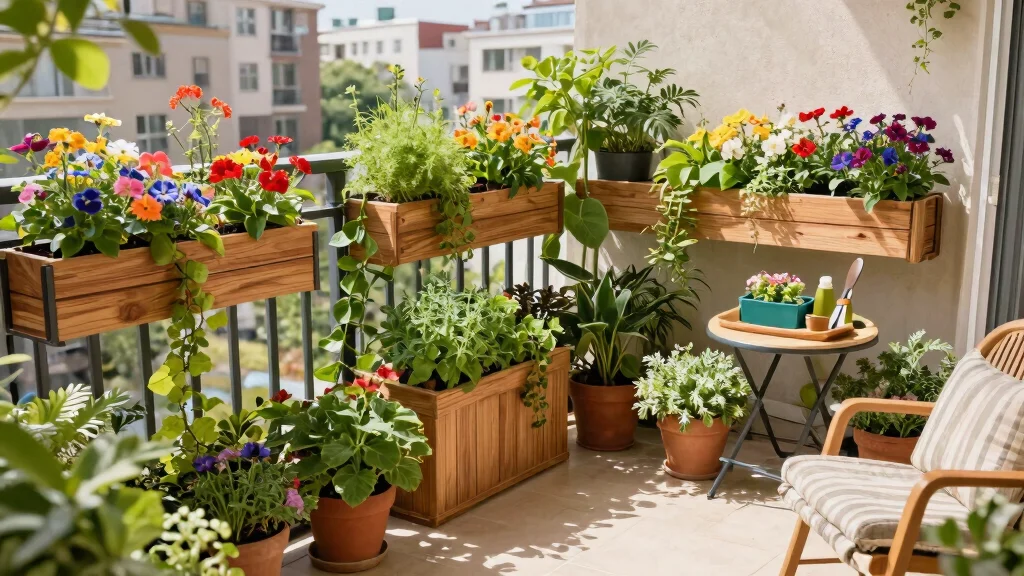
Creating your own garden is a rewarding experience, especially when you’re working with limited space. If you’re like many people, the thought of growing your own vegetables or flowers makes you excited. However, the reality of small outdoor spaces can be daunting. That’s where this post comes in. I’ve compiled a detailed guide on 10 planter box plans that can fit even the tiniest nooks of your home.
If you’re a gardening enthusiast or a beginner looking to turn your balcony or patio into a vibrant green space, this guide is for you. You’ll find ideas that are not only practical but also creative and fun. Each plan is designed to help you maximize your space while providing a stylish way to grow your favorite plants. Whether you want to create raised garden beds or DIY planter boxes, you’ll discover inspiration that suits your style.
In this post, you will learn about unique vertical planter designs, including wall-mounted options and tiered boxes. Each idea comes with detailed descriptions and tips to make your gardening experience easy and enjoyable. By the end, you’ll have a variety of container gardening ideas to help you cultivate a lush and productive garden right at home.
Key Takeaways
– Discover 10 unique planter box plans perfect for small spaces, enhancing your gardening experience.
– Learn how to create vertical planter designs that utilize your available space effectively.
– Find ideas for DIY planter boxes that you can easily build with materials you may already have.
– Explore various container gardening ideas that allow you to grow a variety of plants, from flowers to vegetables.
– Get practical tips and insights to help you successfully implement each planter box plan in your own garden.
Recommended Products

12 PCS Pallet collar hinges - custom 3 layers stackable and collapsible space. 8.66*3.15*0.047 inch with pin
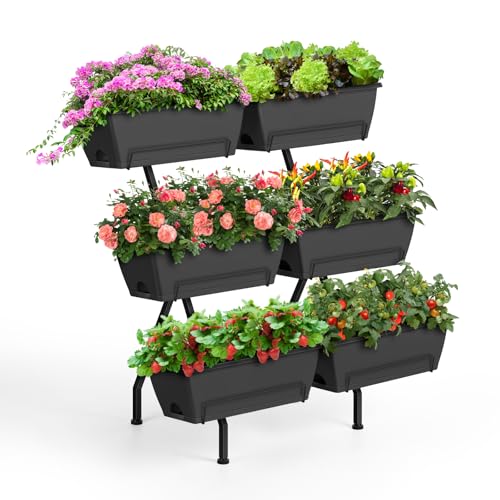
【Space-Saving Vertical Garden System】 Six stackable planters transform tight spaces into lush gardens – perfect for urban balconies, small patios, or indoor greenery. Strategically alternate herbs, flowers and vegetables across tiers to create your perfect mini ecosystem.
1. Stacked Pallet Planter Box
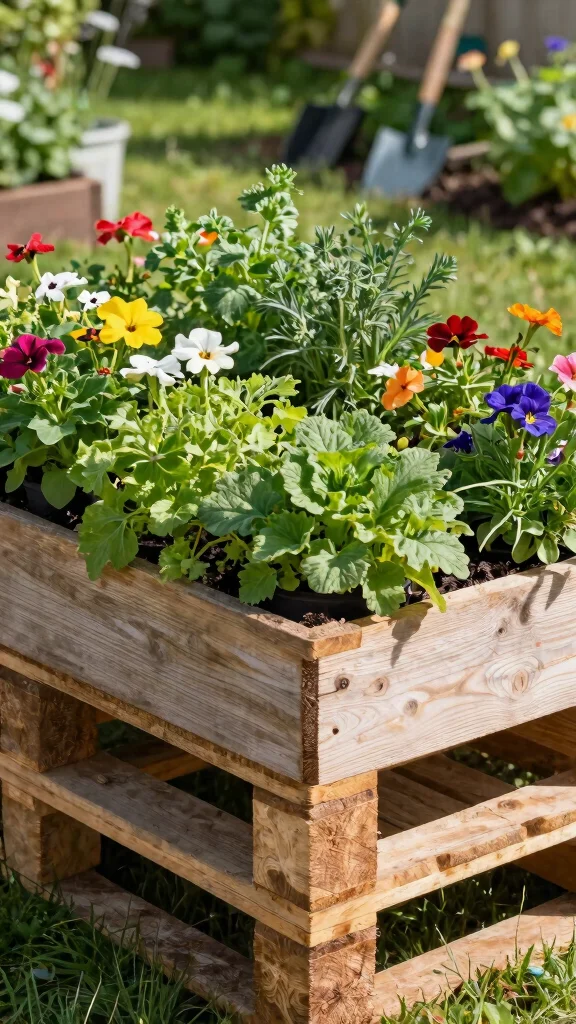
Transforming an old wooden pallet into a beautiful garden feature is not only eco-friendly but also a fun way to express your creativity. A stacked pallet planter box serves as a charming focal point in your garden, with each tier showcasing different herbs or flowers. This approach brings texture and color to your outdoor space, making it visually appealing and sustainable.
To get started, find a clean, sturdy pallet. Cut it into sections while keeping the base intact for stability. Stack the pieces at staggered heights, securing them with screws for durability. Line the interior with landscaping fabric to hold the soil, then fill it with potting mix and plant your favorite greenery!
Key features to consider:
– Choose a sturdy pallet for long-lasting use.
– Customize with paint to match your style.
– Plant a mix of herbs and flowers for a vibrant display.
With this stacked pallet planter, you not only recycle materials but also create a lively centerpiece that enhances your garden’s charm.
Recommended Products

【36 Pocket Vertical Garden】Features 36 individual planting pockets, allowing you to grow herbs, flowers, succulents, strawberries, vegetables, and other plants while maximizing vertical space.

SPACE-SAVING WALL PLANTER: Create a vertical wall planter display on indoor walls or outdoor fences—perfect for kitchens, patios, terraces, balconies, and entryways (no floor space needed).

{Premium Material}: Our garden wall planters bags choosing high-quality felt materials with good air permeability can better store and release water to promote healthy plant growth. It is lightweight, sturdy, convenient, foldable, durable and anti-aging.
2. Wall-Mounted Vertical Planter

Short on ground space? A wall-mounted vertical planter is the perfect solution to showcase your plants while saving precious floor area. This design allows you to create a stunning living wall that brings color and life to dull surfaces, ideal for herbs or small veggies.
Begin by selecting a sturdy wooden board for your base. Attach small pots or containers using brackets, ensuring each has drainage holes. Hang the board at eye level so you can easily enjoy its beauty and fill the pots with a variety of plants.
Here’s how to enhance your vertical planter:
– Choose vibrant paint for the board to make it stand out.
– Mix herbs and flowers for a colorful display.
– Regularly check moisture to maintain healthy plants.
This wall-mounted planter not only maximizes space but also turns your wall into a captivating piece of art.
Recommended Products

Sturdy and Durable-The vertical garden planter is made with a sturdy all-metal frame to ensure durability and longevity. The stable triangular design provides reliable support for your herbs, flowers, vegetables and more

【3 Tier Raised Garden Bed】The vertical garden planter adopts a tiered design, so there is enough space to plant and divide vegetables, herbs, flowers, etc. Save a lot of space for you and keep your garden well organized.
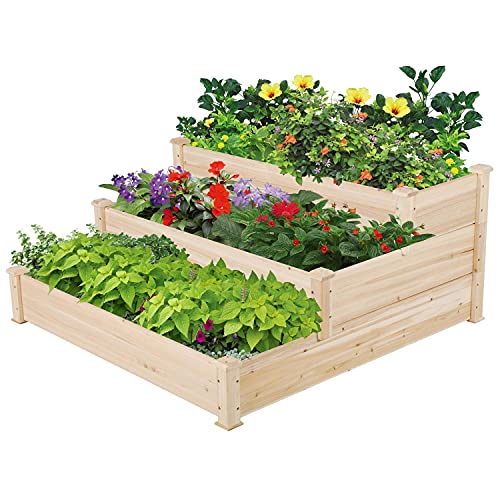
【Selected Materials】Made of natural fir wood without painting, this garden bed for horticulture is well sanded to ensure safe use. The 0.6" thick solid wood boards fixed by metal hardware are ready for long-term use.
3. Hanging Planter Boxes
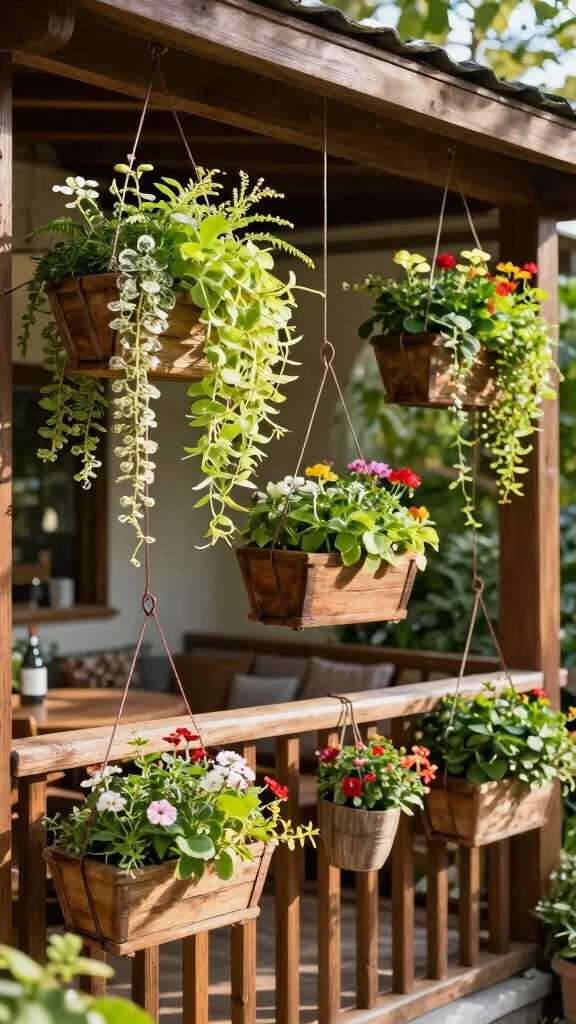
Elevate your gardening game with hanging planter boxes that utilize vertical space in an eye-catching way. Perfect for balconies or patios, these planters allow trailing plants to cascade beautifully, adding lushness to your outdoor areas.
Start by selecting sturdy wooden boxes and attach them with strong hooks or chains. Make sure to drill drainage holes, fill the boxes with potting soil, and choose trailing plants like ivy or petunias. Hang them at different heights for a dynamic look.
Consider these tips:
– Incorporate colorful flowers for extra charm.
– Use trailing plants to create a stunning cascading effect.
– Water carefully to avoid over-saturating the soil.
Hanging planter boxes turn your outdoor space into a whimsical garden retreat.
Recommended Products

WINDOW BOX PLANTERS DIMENSIONS - Includes pack rectangular plastic planters. The size of plastic flower planters: L16.6 x W7 x H5.9 inches, large enough to support any projects and ideas. Great for herbs, flowers, foliage, grass, cactus, succulents, ferns, arborvitae and more.

PERFECT SIZE FOR WINDOWSILLS & BALCONIES – Each planter measures 16.5"L x 6.9"W x 5.7"H, offering ample space for herbs, succulents, strawberries, and vegetables. Ideal for indoor windowsills, outdoor patios, and balcony gardens, this compact size fits neatly in any space while providing enough depth for healthy root growth
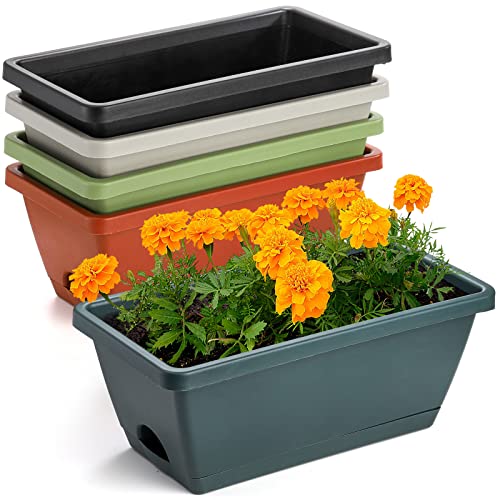
High Quality - Hedume planter box is made of premium plastic, which is durable and allows you to reuse the planter for several seasons.
4. Vertical Trellis Planter Box
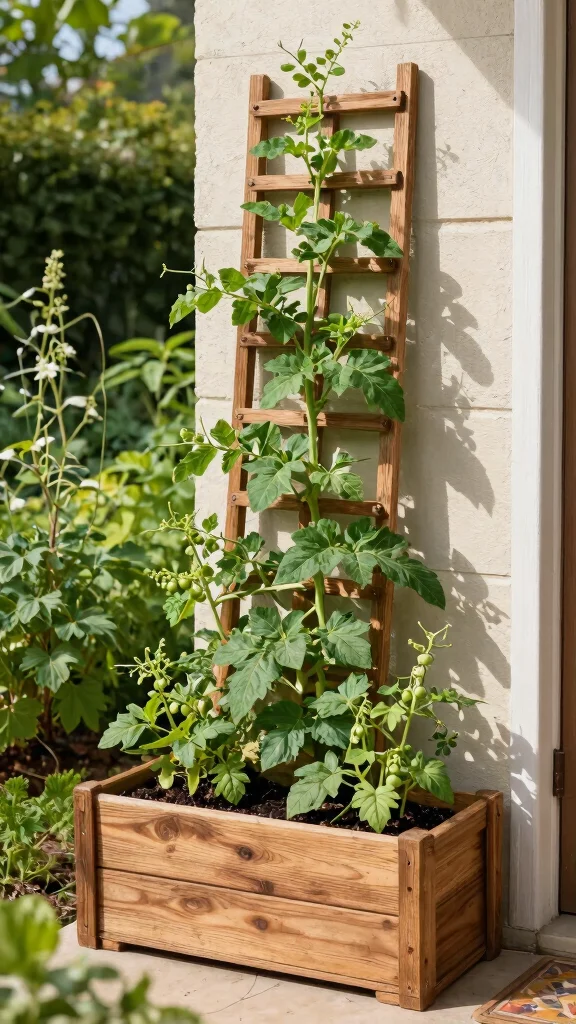
If you adore climbing plants, a vertical trellis planter box is your perfect match! This design combines a planting bed and trellis, allowing plants to grow upwards, thus maximizing your gardening space.
Construct a rectangular box using treated wood for durability. Attach vertical wooden slats or a pre-made trellis to one side, then fill the box with nutrient-rich potting soil. Plant your climbing varieties at the base, securing them as they grow.
To make the most of this design:
– Choose a sunny spot for optimal plant growth.
– Consider companion planting to enhance your harvest.
– Regularly water and feed for the best results.
With a vertical trellis planter, enjoy a bountiful harvest while keeping your garden organized and visually appealing.
Fun Fact: A vertical trellis planter box can boost growing area by 40–60% in small spaces, letting 2–3 climbing plants flourish. With planter box plans like this, you harvest more greens without crowding your balcony.
Recommended Products

VERSATILE AND ELEGANT: Turn your greenery into wall art with our pocket-shaped hanging planter set. These wall planters are the perfect choice for showcasing a variety of plants such as pothos, spider plants, succulents, or cacti. They will add a touch of sophistication and beauty to any space, creating a stunning visual display. Size: 5.7L*4.1W*7H Inch

【Create a Modern Living Wall】Transform blank walls into a stylish vertical garden with this modular wall planter system. self watering pots Perfect for displaying herbs, succulents, flowers, pothos, and small indoor plants while maximizing unused wall space

【Eco-friendly Material】This hanging plant bag is made of high quality felt cloth, which is non-toxic, eco-friendly, but sturdy and durable. Felt cloth is breathable and with good drainage ability, which can retain water and release them slowly, creating the perfect soil conditions. This can reduce the risk of corrupt plant roots, which is good for the growth of plants.
5. Recycled Plastic Bottle Planters
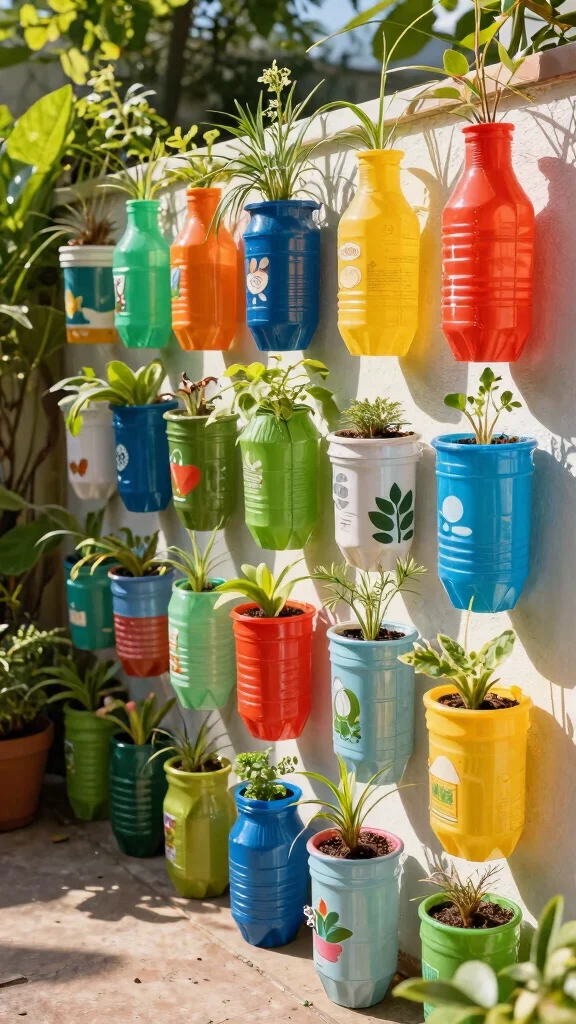
Get creative and sustainable with recycled plastic bottle planters! These budget-friendly options are perfect for small plants and can be hung or displayed on shelves. Not only are they eco-conscious, but they also provide a fun way to engage kids in gardening.
Start by cleaning and cutting plastic bottles in half, then make drainage holes at the bottom. Decorate the outside for added flair, fill with soil, and plant your seeds or seedlings. Attach them to walls, fences, or windows using twine or hooks.
Here are some design ideas:
– Arrange bottles vertically for a striking display.
– Paint them in bright colors for a fun look.
– Use them for herbs or small flowers to maximize their utility.
These recycled bottle planters not only reduce waste but also infuse playful energy into your garden.
Recommended Products

【Sturdy and Stable】Vertical raised garden bed are made of high-quality metal, and the bottom is supported by stable triangles to ensure that the planter stand remains stable in wind and rain. Whether it is used indoors or outdoors, it is a good choice.

Four-Layered Garden Design: This planter box features a four-tier structure, allowing you to cultivate a variety of plants in separate layers. You can plant everything from vegetables and herbs to flowers, fruits, and even strawberries. Each tier offers ample space for healthy growth without overcrowding your plants

Spacious 5-Tier Growing Area: Designed with 5 separate planting boxes, this garden planter provides generous room for growing fruits, succulents, vegetables, or colorful flowers while keeping your gardening area neatly organized in one place.
6. A-Frame Planter Box
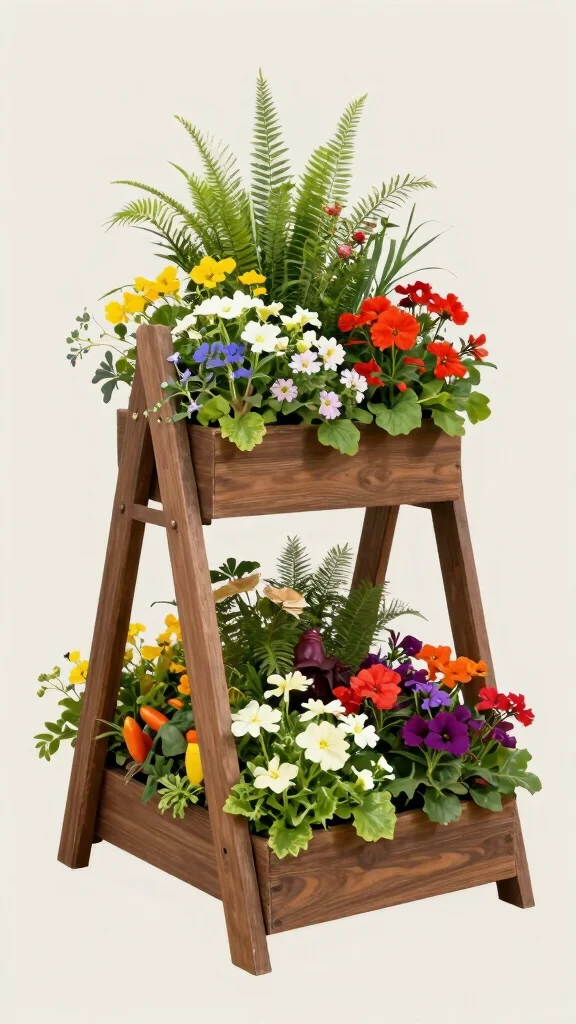
An A-frame planter box is a fantastic way to utilize limited space while adding character to your garden. This multi-tiered design allows for several planting areas, making it perfect for flowers, herbs, or vegetables.
Begin by building two rectangular boxes with slanted sides and connecting them at the top to form an A-frame. Ensure proper drainage with holes at the bottom, fill with soil, and plant your favorites. Position it in a sunny area for best results.
Consider these tips:
– Mix flowers and vegetables for beauty and diversity.
– Choose a location with plenty of sunlight for optimal growth.
– Regularly check moisture levels to keep your plants thriving.
The A-frame planter box not only maximizes space but also creates a charming focal point in your garden.
Recommended Products

【DIY Your Garden】This 4x2x1 ft raised garden beds outdoor has all the space you need to build your dream garden! Whether you are growing fruits, vegetables or flowers, it can provide a safe environment and enough space for your plants.

Multifunctional Design: This garden planter is separated into two growing areas for different plants or planting methods. The baffle can be removed to form a bigger growing area.
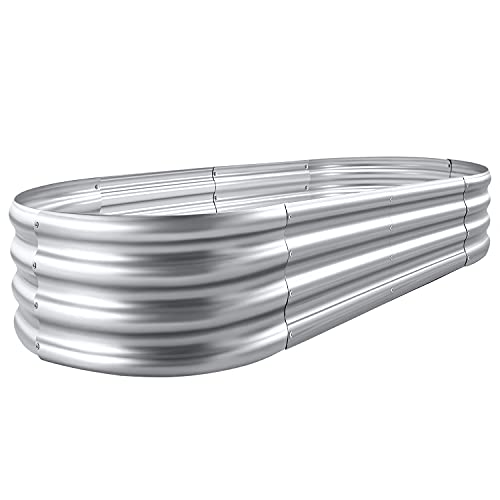
Each raised metal garden bed size: 4×2×1ft ,7.14Cu
Difficulty Rating & Requirements
Overall Difficulty Rating: Medium
Building vertical planter boxes can be a rewarding project, but it requires some skill and patience. The difficulty level is medium because it involves basic woodworking and design skills. This project is suitable for individuals who have some experience with DIY tasks but also want to challenge themselves to create something functional and beautiful for their small spaces.
Time Estimate:
⏱ Estimated time: 4-8 hours
– Planning and Design: 1-2 hours to sketch your ideas and gather materials.
– Cutting and Assembly: 2-4 hours to cut wood and assemble the planter boxes.
– Finishing Touches: 1-2 hours for sanding, painting, or sealing the wood.
Skill Requirements:
– Required skills: Basic woodworking, measuring, and drilling.
– Beginner-friendly: Yes, with some guidance. Beginners can learn as they go, especially with simple designs.
– Skills like measuring and cutting can be learned on the job, but using power tools safely is essential to have prior experience or supervision.
Tools & Materials Needed:
🧰 Essential items checklist:
– Measuring tape (Required)
– Saw (hand saw or power saw) (Required)
– Drill (Required)
– Wood screws (Required)
– Sandpaper (Required)
– Wood sealant or paint (Optional)
– Wooden boards (2x4s or similar) (Required)
– Level (Optional but recommended for accuracy)
Step-by-Step Overview:
1. Planning and Design (1-2 hours): Start by measuring your available space and drawing a simple plan for your planter box. Consider the plants you’ll grow and their spacing needs.
2. Cutting Materials (1-2 hours): Cut your wooden boards according to your design. Make sure your cuts are straight to ensure a clean assembly.
3. Assembly (1-2 hours): Use your drill and screws to assemble the pieces into a sturdy box. Make sure to check for level as you go for a professional finish.
4. Finishing (1-2 hours): Sand any rough edges for safety and aesthetics. Apply wood sealant or paint based on your preference and the plant types you choose.
Cost Comparison: Professional vs DIY:
Creating your planter boxes yourself can save you a significant amount of money. Hiring a professional might cost anywhere from $200 to $500 depending on size and materials. In contrast, a DIY approach could bring the total cost down to around $50 to $150, depending on the wood and tools you already have. If you’re comfortable with basic tools and have a vision, go for the DIY route! If not, hiring a professional might be worth the peace of mind.
Recommended Products


Large Size and Wood Combination: MIXC raised garden beds is made of untreated fir wood, which resists warping and splitting over time better than cedar. The support part is made of Pinus radiata with better load-bearing properties. Dimension: 48”(L) X 24.4”(W) X 31”(H). With 5-6 cubic feet of space and a 9-inch depth, our garden bed offers generous room for your plants flowers and vegetables to breathe and thrive outdoors
7. Corner Planter Box

Capitalize on unused corners with a corner planter box, a smart solution for maximizing your gardening potential! These boxes fit snugly into tight spaces while allowing you to cultivate a variety of plants.
To build one, measure the corner area and cut wood accordingly, then assemble a triangular base. Drill drainage holes and fill with soil, selecting plants that thrive in the available sunlight. Regularly check soil moisture and fertilize as necessary.
Here are some design notes:
– Paint or stain the wood to enhance your home’s exterior.
– Consider plants that suit your corner’s exposure for successful growth.
– Use decorative stones or mulch to add visual interest.
A corner planter box brings life to overlooked spaces, adding charm without taking up too much room.
Recommended Products

Grow 16 Plants in Just 1 Square Foot Maximize your harvest with this vertical planter tower featuring 4 stackable tiers and 16 planting sites. Perfect for strawberries, herbs, lettuce, and small vegetables in tight spaces.

High-quality Product: Thick, high-quality PP materials can be used repeatedly without fading, not easy to crack even in summer, suitable for garden or indoor use
8. Ladder Planter Box
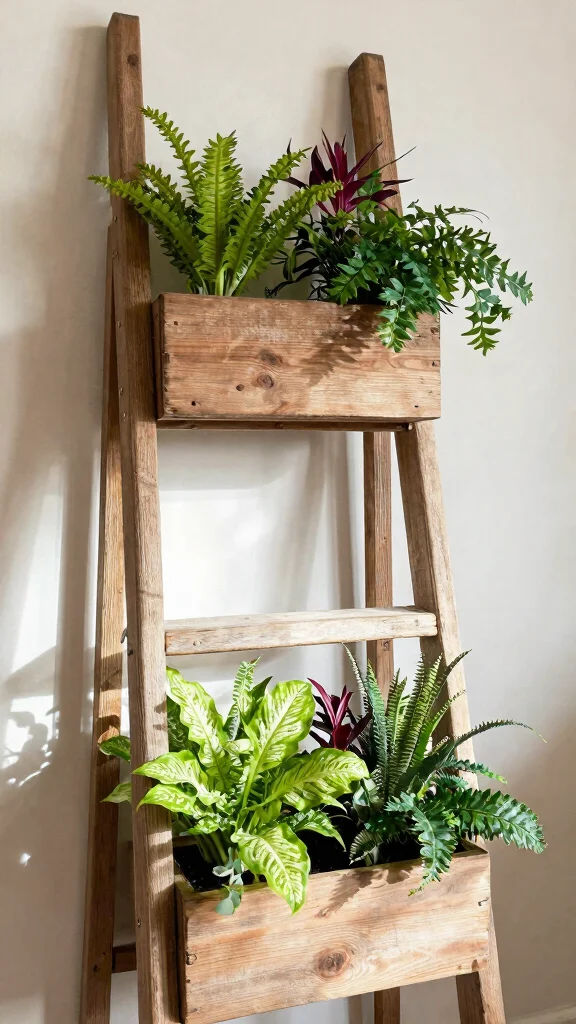
A ladder planter box introduces a creative twist to conventional gardening designs. Resembling a ladder, this vertical planter allows you to grow a variety of plants in a compact area while adding artistic flair to your space.
To create one, either build or repurpose an old wooden ladder. Attach small boxes or containers at different levels, ensuring to drill drainage holes in each. Fill them with soil and plant your chosen varieties, placing the ladder in a sunny location.
Here are some tips for success:
– Use trailing plants on the top shelves for a cascading effect.
– Mix herbs with flowers for an attractive arrangement.
– Regularly check water levels to keep plants healthy.
The ladder planter box is a playful way to grow plants while enhancing your home’s aesthetic.
Did you know a ladder planter box can double your growing space on a 4×2 ft balcony? With ladder planter box plans, place herbs on the top rung, veggies on the lower steps, and drill drainage holes for healthy, thriving plants.
9. Tiered Planter Box

Tiered planter boxes offer a stunning vertical gardening solution, perfect for maximizing space in your garden. With several levels to grow your plants, these boxes are functional and visually appealing, allowing you to create a mini oasis.
To build a tiered planter box, cut wood into layers that create a step-like structure. Assemble the layers securely with screws, making sure to drill holes for drainage. Fill with soil and arrange your plants in height order, positioning the box in a sunny area for optimal growth.
Consider these design notes:
– Incorporate flowering plants at the top for added fragrance and beauty.
– Use a variety of plant types to create visual interest.
– Regularly check moisture levels for healthy growth.
The tiered planter box is a beautiful solution for compact gardening, infusing your space with greenery and charm.
Fun fact: using simple planter box plans, a three-tier system boosts vertical growing space without crowding your balcony. A well-built tiered box can double or triple planting area in a small spot, while easy drainage keeps roots healthy. Turn tight spaces into a thriving mini oasis.
10. Planter Box with Built-in Seating
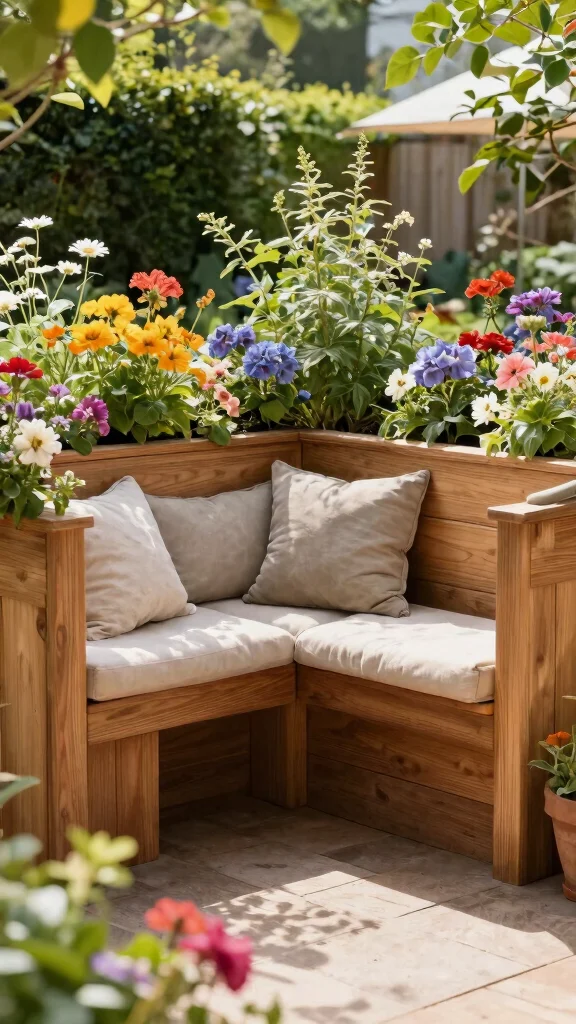
Why not blend comfort with functionality? A planter box with built-in seating allows you to enjoy your green paradise while providing a cozy spot to relax. This design is perfect for patios or balconies where space is at a premium.
To create one, build a sturdy rectangular box using treated wood and add a flat top for seating. Ensure it can support weight by reinforcing the structure. Drill drainage holes in the box, fill it with soil, and select your favorite plants. Enhance comfort by adding cushions or pillows.
Here are some tips:
– Choose low-light plants to keep the seating area comfortable.
– Add decorative pillows for extra comfort and style.
– Regularly check your plants’ needs for healthy growth.
A planter box with built-in seating transforms your gardening space into a delightful retreat, inviting relaxation and enjoyment of your green creations.
Conclusion
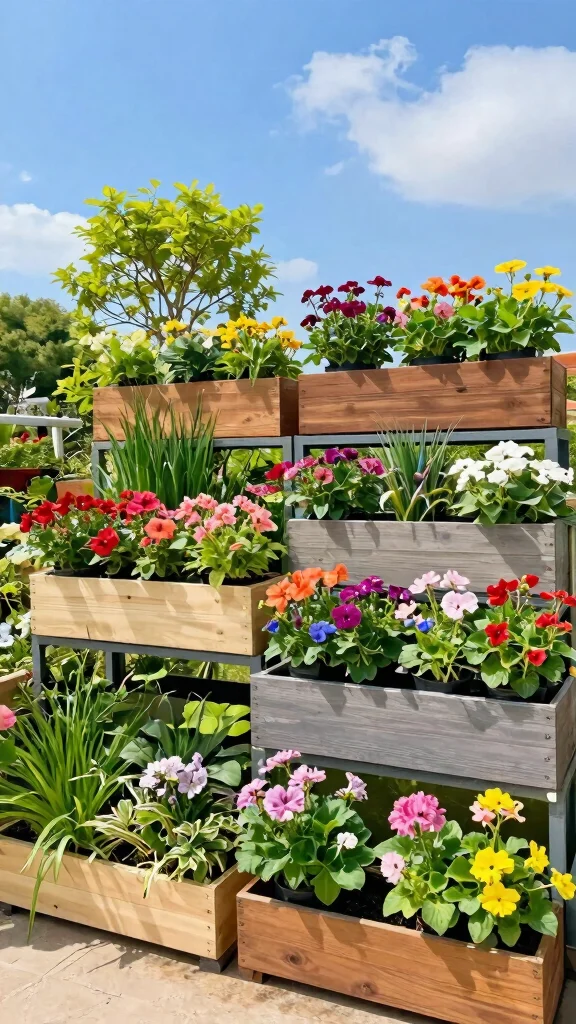
Exploring vertical planter box plans can revolutionize how you think about gardening in small spaces. Each unique design brings functionality and charm, allowing you to express your creativity while nurturing plants. From recycled materials to stylish wooden designs, the possibilities are endless.
With these ideas, you can start your journey in creating your own vertical garden oasis. So, grab your tools, pick your plants, and let your gardening adventure begin!
Note: We aim to provide accurate product links, but some may occasionally expire or become unavailable. If this happens, please search directly on Amazon for the product or a suitable alternative.
This post contains Amazon affiliate links, meaning we may earn a small commission if you purchase through our links, at no extra cost to you.
Frequently Asked Questions
What are the best planter box plans for small spaces and vertical gardens?
For small spaces, pick planter box plans that maximize vertical space and keep the footprint narrow. Look for modular planter box plans you can stack, hang, or place along a balcony railing—perfect for container gardening ideas.
Practical steps: measure your available height and depth; choose weather‑resistant wood and exterior sealant; cut pieces to size; assemble with drainage; add a liner and drainage tray; fill with a high‑quality potting mix ideal for vegetables. Finish with a simple irrigation plan to keep maintenance low.
How do I choose between raised garden beds and planter boxes for my vegetable garden?
Both have a place, but space, soil control, and mobility matter. Raised garden beds are great for larger areas and deeper roots, while planter boxes fit balconies and patios and are easier to relocate. Map your layout with vegetable garden plans and consider drainage, soil mix, and irrigation. If you need flexibility, start with a few container gardening ideas using planter boxes and scale up later.
What materials and tools do I need to build DIY planter boxes?
Here’s a practical starter kit: weather‑proof lumber (cedar, redwood, or pressure‑treated outdoor grade), exterior screws, wood sealant or paint, landscape fabric, a drainage layer (gravel or fabric), a liner, measuring tape, saw, drill, and a staple gun or nails. For DIY planter boxes, pick sturdy wooden planter designs and avoid treating wood with harmful chemicals. Don’t forget a simple irrigation option to keep soil evenly moist.
Can I grow a full vegetable garden in a compact planter box setup?
Yes. Choose compact or dwarf vegetables, stack planters or add a trellis for climbing varieties, and fill boxes with a rich, well‑draining potting mix. Plan your crops with vegetable garden plans, and follow container gardening ideas to keep soil moist and roots happy. Use proper irrigation and make sure your plants get enough sun (most veggies need 6–8 hours).
How do I care for and maintain wooden planter designs to ensure longevity?
Keep wood durable with outdoor sealant or paint, ensure good drainage and avoid waterlogging, raise planters slightly off the ground, and refresh soil yearly to prevent pests. Winterize by cleaning and, if needed, disassembling or storing interior components. Check screws and replace damaged slats as needed. Regular cleaning and seasonal inspection can dramatically extend the life of your wooden planter designs.
Recommended Products
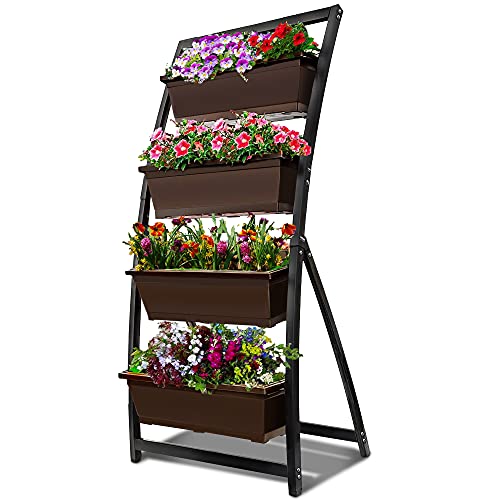
✓ EASY TO ASSEMBLE w/ PERFECT TIGHT SPACE SOLUTION - with easy to follow instructions included, the assembly of your garden planters will be quick and simple. Each hanging plastic box container is 27"; provides adequate room for your plants without wasting precious space in a small apartment, balcony, or any outside area. Grow a variety of herbs, seeds, flowers, succulents, or vegetables in just a single area at home.

MAXIMIZE YOUR SPACE: Our balcony railing planters are designed to help you make the most of your porch or patio living space. With their rectangular shape and drainage holes, you can grow strong, healthy plants easily.
Related Topics
planter box plans
vertical gardening
small space solutions
DIY planter boxes
raised garden beds
container gardening
wooden planter designs
vegetable garden plans
easy gardening
beginner friendly
outdoor decor
space-saving ideas