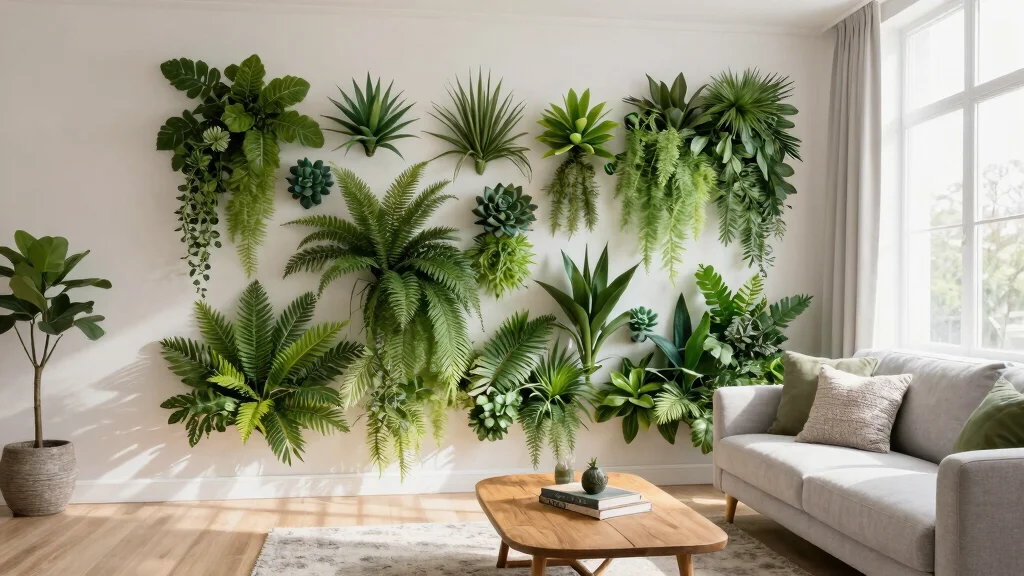
Creating a faux plant wall can transform your living space into a lush retreat, especially when you’re short on space. With busy lives, many people crave a touch of nature indoors but may feel overwhelmed by the care real plants require. That’s why I put together this post! Discovering the perfect way to incorporate greenery can be challenging, but faux plants give you all the aesthetic appeal without the maintenance.
If you’re someone who loves decorating small spaces or adding personality to your home, this guide is for you. You don’t need a green thumb to enjoy the beauty of indoor plants. Whether you live in a cozy apartment or just want to spruce up a dull wall, these ideas will inspire you. You’ll find 14 unique faux plant wall concepts that are stylish, easy to implement, and sure to elevate your indoor decor.
Get ready to explore a world of artificial greenery that breathes life into your walls! From stunning vertical garden ideas to creative faux plant arrangements, I’ve collected tips that will help you create a vibrant backdrop. Each idea is designed to help you add warmth and charm to your living area effortlessly. Let’s dive in!
Key Takeaways
– Faux plant walls are a low-maintenance way to bring greenery into your home, perfect for those with busy lifestyles.
– Each idea can help you maximize small spaces, making them ideal for apartments or cozy rooms.
– You can mix and match different styles, such as minimalist or rustic, to fit your personal taste.
– Incorporating artwork with faux plants can create a unique focal point in your decor.
– Seasonal changes in your faux plant wall can keep your space feeling fresh and inviting all year round.
Recommended Products

【36 Pocket Vertical Garden】Features 36 individual planting pockets, allowing you to grow herbs, flowers, succulents, strawberries, vegetables, and other plants while maximizing vertical space.

SPACE-SAVING WALL PLANTER: Create a vertical wall planter display on indoor walls or outdoor fences—perfect for kitchens, patios, terraces, balconies, and entryways (no floor space needed).
1. Vertical Garden of Succulents
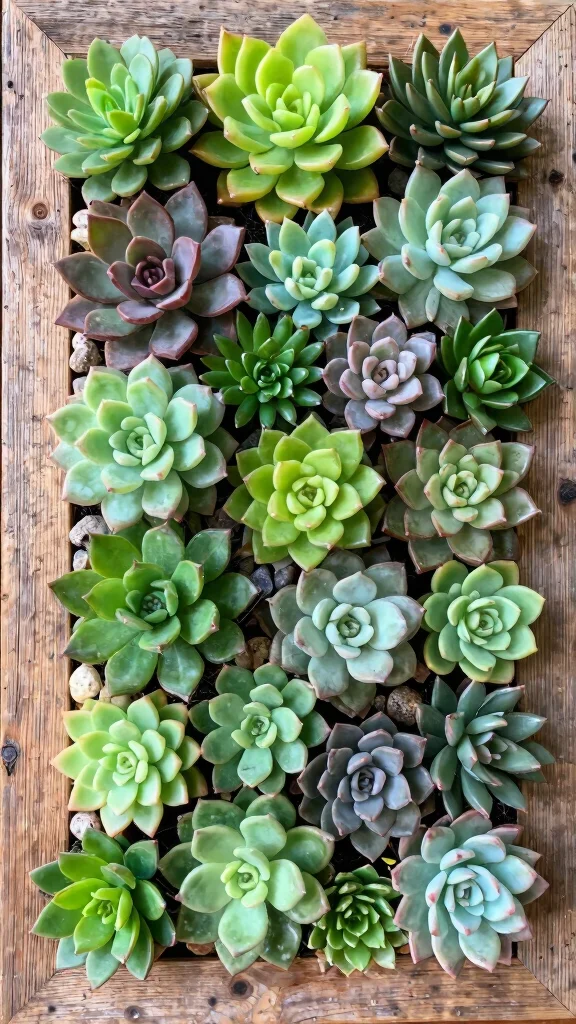
A vertical garden filled with succulents transforms any wall into a vibrant display. These resilient plants come in an array of shapes and colors, creating visual interest and texture. Consider hanging a grid of faux succulents to form a captivating focal point that invites curiosity and admiration.
Succulents work wonderfully because they add depth with their diverse forms. Their range of colors—from soft pastels to vivid greens—complements various decor styles, making your space feel lively yet serene.
Consider these elements to maximize this palette’s potential:
– Pair faux succulents with a rustic wooden frame for warmth.
– Install smaller succulents amidst larger ones for contrast.
– Use decorative pebbles at the base for added texture.
This arrangement injects a breath of fresh air into your space, making it feel open and inviting while enhancing the overall aesthetic.
Recommended Products
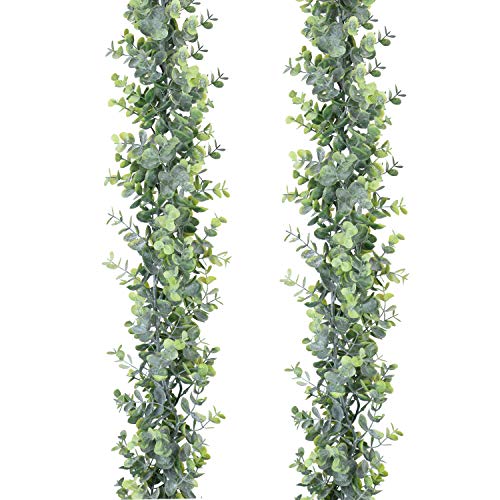
Quantity:2 Pack Faux eucalyptus garland , Each pack with 134 Pcs large fake eucalyptus leaves, total 268 Pcs Eucalyptus Leaves,This eucalyptus garland has many branches,Looks very realistic and Three-dimensional.
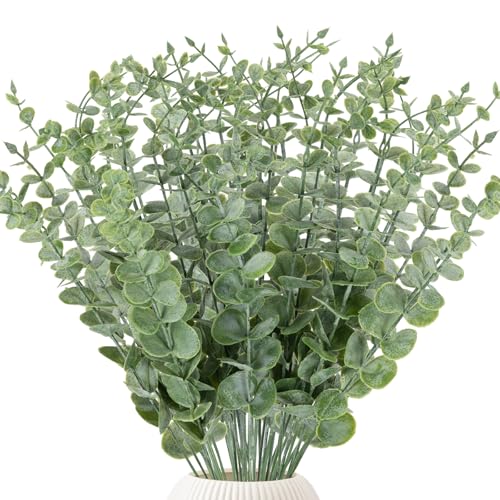
Package includes: There are total 38pcs artificial eucalyptus stems. Each eucalyptus stems is around 14.5in in length.There are 24 leaves ranging from large to small.

Package includes: 1pcs artificial hanging plants.
2. Cozy Corner Oasis
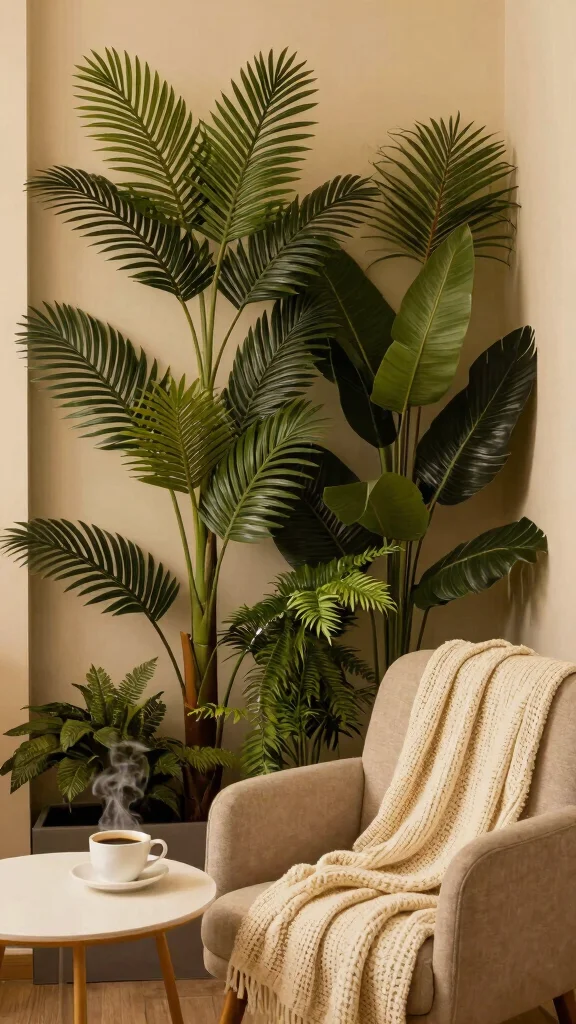
Transform a forgotten corner into a cozy oasis with a faux plant wall. By positioning a lush backdrop behind a comfortable chair or small table, you create an inviting nook perfect for relaxing with a book or enjoying a warm beverage. This setup fosters a peaceful atmosphere that encourages unwinding.
To enhance this cozy corner, layer your decor with soft throws and cushions for extra comfort. Utilizing a variety of plant heights creates a dynamic visual that makes the space feel rich and full.
Consider these design elements:
– Choose tall faux plants like palms for a touch of elegance.
– Incorporate a cozy side table for practicality.
– Use neutral furniture to let the greenery shine.
This inviting space becomes not just a plant wall but a personal retreat within your home.
Recommended Products

Realistic Boxwood Panels: Our artificial boxwood wall panels include 12 panels, each measuring 10*10 inches, with 100 dense and realistic fake leaves. These leaves with 3 layers, 1.6 in high, resulting in a lusher appearance. Despite their small size, the grass wall panels offer great flexibility for decoration, creating a vibrant atmosphere to uplift your mood.

It contains 12 boxwood panels. 10 * 10 inch each. 1.6 inch height.Each panel has 100 fake leaves. Dense and realistic,The grass wall panels is relatively small.It can fill the space more flexibly. Install anywhere you want to decorate.Create a vibrant atmosphere.Bring you a good mood.

Product Description: This package includes 12 pieces of artificial grass wall panels, each measuring 10x10 inches, providing a total coverage of 8.4 sqft. Crafted from 100% New PE material, the faux grass features a realistic 3D design. Each panel is lightweight yet durable, and includes 50 free cable ties for easy installation, ensuring a natural appearance.
3. Art-Inspired Faux Plant Arrangement
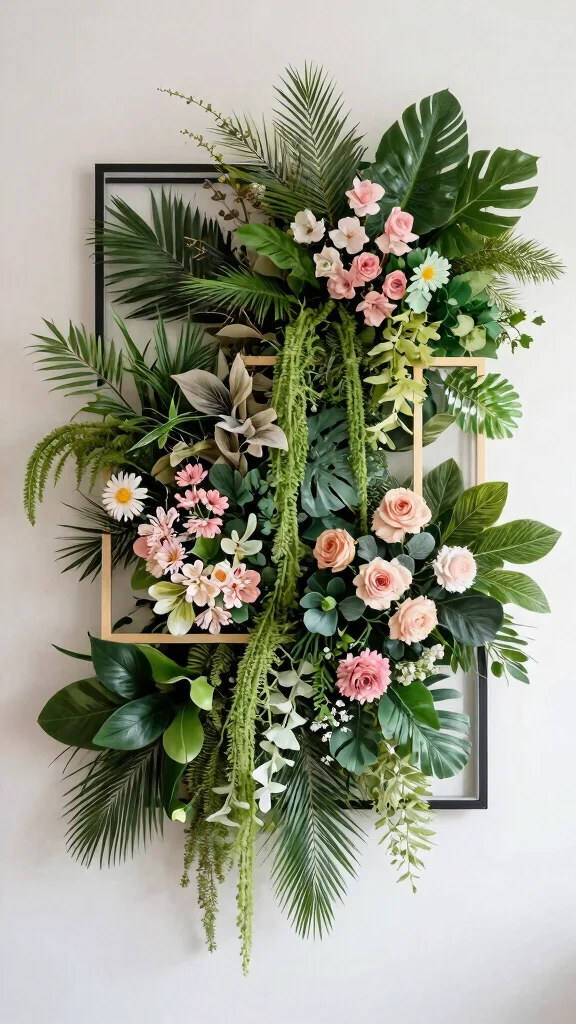
Elevate your decor with an art-inspired faux plant arrangement that acts as a striking centerpiece. This design blends various textures and colors of faux plants, mimicking a vibrant piece of modern art. It’s not just a wall of greenery; it’s a visual statement that enhances any room’s character.
Creating this artful look involves mixing faux flowers, leaves, and branches to develop patterns or gradients in color. Incorporating geometric frames can add structure while showcasing the beauty of each plant.
Consider these tips for your arrangement:
– Use a variety of faux plants to create depth and interest.
– Change the arrangement with the seasons for freshness.
– Incorporate unique frames for added artistic flair.
This artistic faux plant wall is sure to impress guests, adding a creative touch to your indoor greenery.
Recommended Products

Innovative Space-saving Design: maximize your gardening potential with our stackable wall planter system; Each piece measures 9.45" x 5.71" x 5.51" and features two pockets, The overall dimensions are 47.5"x33"x5.5" offering ample growth space for a variety of plants; Nice for Fence Balcony Wall Decor, these vertical wall planters change limited spaces into gardens effortlessly
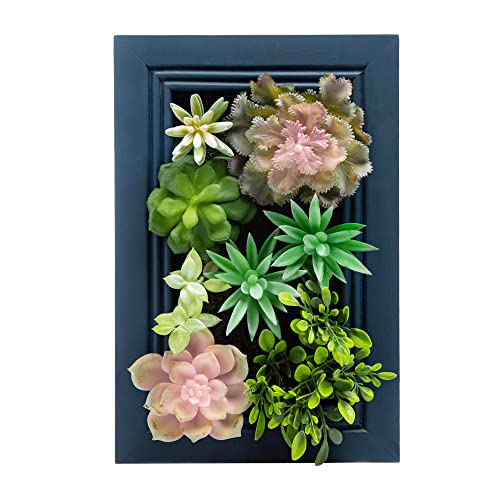
High-Quality Material: Our 3D artificial wall hanging plants is made from a high-quality wooden frame and very realistic faux succulents. Hassle-free since fake plants require no watering, fertilizer, or pesticides. Enjoy the beauty of plant life without the pest and mess

【Perfect Package & Dimensions】The package includes 1 set of artificial string of pearls vines with matching geometric metal wall planters. Each hanging plant measures approximately 21 inches in length, with a 9.6-inch metal frame height, creating a stunning vertical display.
4. Minimalist Botanical Wall
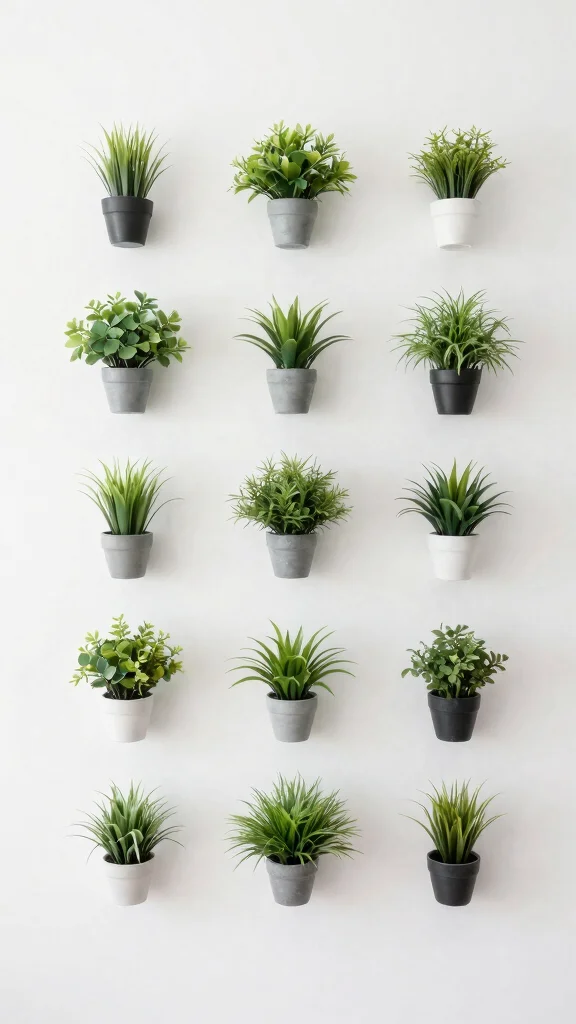
For a clean and sleek look, a minimalist botanical wall highlights the beauty of fewer plants. This design emphasizes visual simplicity, allowing each plant to shine while maintaining a sophisticated aesthetic. It’s an ideal choice for modern spaces where elegance meets functionality.
Using uniform-sized faux plants creates symmetry, while a simple backdrop—like white or light gray—ensures a polished finish. Evenly spaced plants contribute to a balanced look that feels serene and uncluttered.
Here’s how to enhance your minimalist design:
– Pair with simple wall art for added interest.
– Opt for monochrome plant pots to emphasize the greenery.
A minimalist botanical wall allows you to enjoy the beauty of nature without overwhelming your space, creating a calming environment.
Even in small spaces, a faux plant wall can feel luxurious. For a Minimalist Botanical Wall, choose uniform plants on a light backdrop to create symmetry — it’s all about balance. Pro tip: keep a neutral palette for a serene, chic finish.
Recommended Products

WEDDING DECORATION:DIY the eucalyptus garlands with floral arrangements on wedding wreath, bouquets, entrance arches, Aisles, ceremony backdrops and reception tabletop decoration and so much more for a memorable romantic-style wedding.

Eucalyptus Wall Hanging: The wooden bead garland is matched with artificial eucalyptus and wooden tassels, which can embellish the space and make it more delicate and elegant. Meanwhile, hanging artificial eucalyptus wall decor can create a natural and peaceful atmosphere

PACKAGE & SUITABLE SIZE: 4 pack artificial hanging plants are included in the package, 30 inches of each length.Combine two pieces of fake hanging plant to achieve a fuller effect of pictures.
5. Rustic Farmhouse Vibe
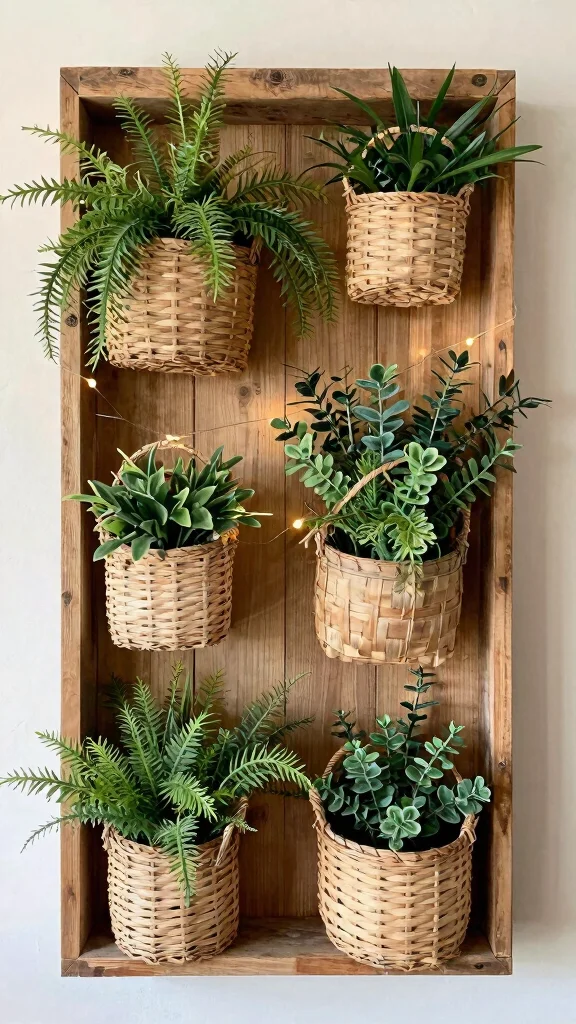
If you adore a rustic farmhouse aesthetic, a faux plant wall blending natural elements can bring warmth and charm to your space. Mixing faux herbs with a wooden frame or reclaimed wood backdrop creates an inviting atmosphere that feels both stylish and homey.
Consider integrating faux herbs like lavender or rosemary, which lend a fresh, farm-inspired touch. Adding wooden accents or baskets enhances the texture and depth of your wall design.
Here are some elements to incorporate:
– Use plants of varying heights for visual interest.
– Layer different textures to enrich the design.
This rustic faux plant wall not only beautifies your home but also fosters a cozy, welcoming vibe perfect for kitchens and dining areas.
Recommended Products

【Realistic & Thick Artificial Hedge】 Each package has 12pcs 10x10 inch artificial boxwood panels, total coverage area of 8.3 sq.ft.The thickness of the greenery backdrop is 2 inches which looks more realistic. The thick hedge is dense and can cover the background well and privacy. Bonus: 100 extra zipper tapes for easy and cost-effective installation

Realistic Boxwood Panels: Our artificial boxwood wall panels include 12 panels, each measuring 10*10 inches, with 100 dense and realistic fake leaves. These leaves have been upgraded with 4 layers, 2 in high, resulting in a lusher appearance. Despite their small size, the grass wall panels offer great flexibility for decoration, creating a vibrant atmosphere to uplift your mood

【3D Lifelike Artificial Plants】: Combined with 10 types of imitation plants including vivid succulents, colorful flowers and gradient leaves, the hanging 2 pack greenery wall art panels create a lively and attractive appearance. The thick and dense arrangement ensures that each piece look naturally lush.
6. Tropical Retreat
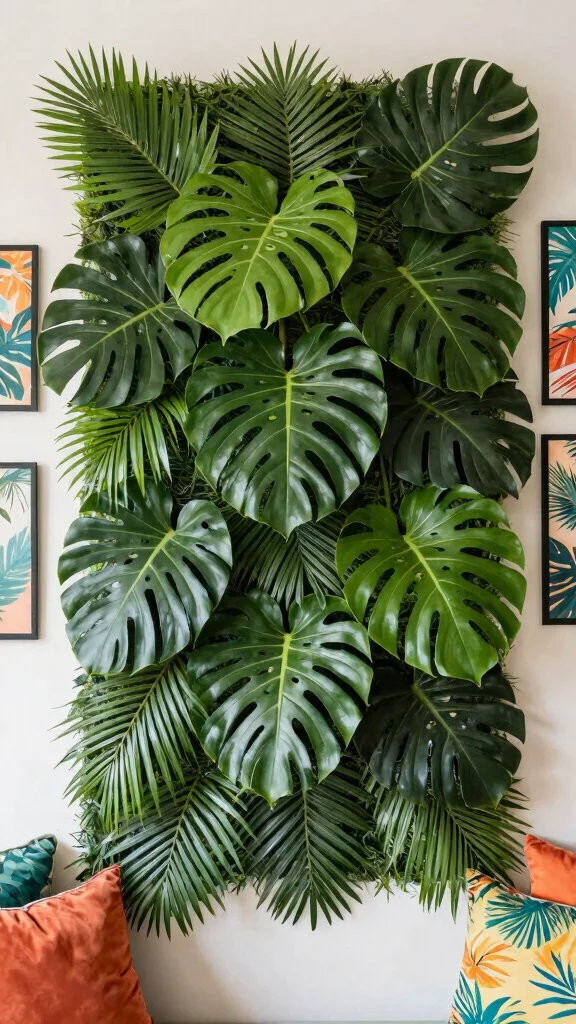
Bring the essence of a tropical paradise indoors with a faux plant wall bursting with lush greens. This design features large leaves and vibrant colors that transform your space into a rejuvenating retreat, encouraging relaxation and joy.
Utilizing faux monstera and palm leaves captures the essence of a tropical getaway. Pairing these with bright accents like colorful cushions or artwork enhances the lively atmosphere.
Consider these design elements:
– Mount on a textured wall for added dimension.
– Vary the sizes of plants for a natural look.
A tropical retreat faux plant wall invigorates your living space, creating a vibrant environment that embodies relaxation and adventure.
Recommended Products

Move and Store Freely:This office room divider is lightweight, so it's easy to store without taking up much space. Also it is flexible, and you can change or move it freely.

Move and Store Freely:This office room divider is lightweight, so it's easy to store without taking up much space. Also it is flexible, and you can change or move it freely.

Stable Structure: Our Room Partitions and Dividers is made of strong steel frame with powder coating, which is not easy to scratch and rust, extending the service life. Extra Longer and Wider Feet pads fits more easily to the ground and improve the stability of the room divider and not easy to shake and fall
7. Geometric Faux Plant Wall

Incorporating geometric shapes into your faux plant wall creates a modern and edgy aesthetic. This design harmonizes plants with clean lines, resulting in a unique visual statement that captures attention and enhances your decor.
Using hexagon or square frames to house faux plants introduces structure while allowing for creativity in arrangement. Sticking to a monochromatic color scheme can unify the design.
Here are some components to use:
– Experiment with different plants in each frame for variety.
– Hang frames at varying heights for added visual intrigue.
A geometric faux plant wall brings a distinctive flair to your space, merging design elements with the beauty of nature.
When space is tight, a geometric faux plant wall instantly makes it feel bigger. Swap shapes and plants in minutes to keep your backdrop fresh without crowding the room.
Recommended Products

Include&Size: 1pack 120" (L) x 40"(W) privacy fence, consist of 12 piece 20"*20" mini-artificial hedges fence, assemble your desired size. Come with 25 zip ties and 1 installation manual help you quick install!

Lifelike and Vibrant - Instantly elevate your home with these 2-Pack fake pothos vines. Each vine stretches 43.3 inches with lifelike multi-green leaves and natural veining. Unlike real plants, our fake plants feature fade-resistant colors and realistic textures that blend seamlessly into any decor style - from modern apartments to rustic farmhouses. Includes realistic butterflies for an extra touch of charm.

Package includes: 4 pieces artificial hanging string of pearls plant.
8. Faux Plant Wall with Artwork

Integrating artwork into your faux plant wall elevates your decor, creating a unique fusion of nature and creativity. Selecting pieces that complement the greenery results in a harmonious and inviting space.
Arranging plants around the artwork fosters a cohesive flow, while adding floating shelves provides opportunities to display smaller pieces. This combination works beautifully in living rooms or art studios.
Consider these tips for your design:
– Mix different art styles for an eclectic touch.
– Use plants with varying textures to contrast against the artwork.
A faux plant wall intertwined with art creates a lively atmosphere that inspires creativity while maintaining a calming presence.
9. Layered Faux Plant Textures
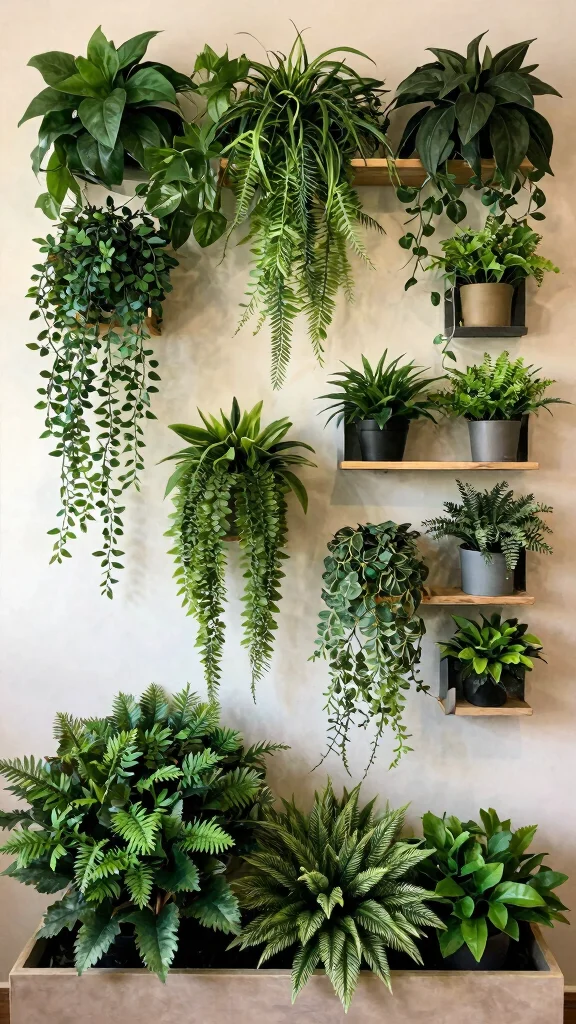
Creating layers within your faux plant wall adds incredible depth and intrigue to your space. By combining plants of various sizes and textures, you can craft a stunning tapestry of greenery that draws the eye.
Mixing trailing vines with bushier plants introduces contrast, while wall-mounted shelves can create different height levels for visual interest. Varying the sizes of plant pots enhances this layered effect.
Here are some layering tips:
– Incorporate faux flowers for seasonal pops of color.
– Use soft lighting to highlight the layers in the evening.
This layered faux plant wall maximizes visual interest, enriching your overall decor style.
Recommended Products

NOTICE: If the fabric of the screen you receive has stains, please leave the screen in a well-ventilated area. The stains should fade over time.

☀【Flexible panel & easy to storage】Our room divider is made up of four panels of the same size, which can move the shape of your space or block the part of your room as needed. Completely folded up for storage.room divider screen wood 4 panel room divider.
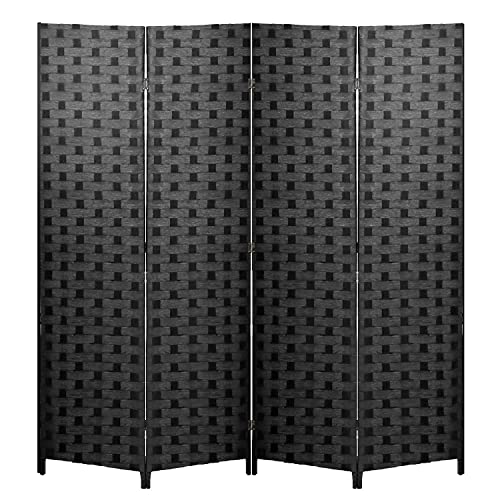
☀【Flexible panel & easy to storage】Our room divider is made up of four panels of the same size, which can move the shape of your space or block the part of your room as needed. Completely folded up for storage.room divider screen wood 4 panel room divider.
How To Choose the Right Faux Plant Wall
Choosing the perfect faux plant wall can transform your space into a lush, green oasis. Here are key factors to consider when selecting your ideal artificial greenery backdrop.
1. Size Matters
Before you start shopping, measure the wall space where your faux plant wall will go. Consider how much area you want to cover. If it’s a small corner, a compact arrangement of smaller plants might work best. For larger walls, a variety of plants in different sizes can create a more dynamic look. Make sure to leave some space around the edges for a polished appearance.
2. Material Quality
Not all artificial greenery is created equal. Look for high-quality materials that mimic the look of real plants. Silk and plastic can be good options. Be wary of overly shiny materials; they can look unrealistic. Check for durability as well, especially if the wall is in a high-traffic area or near sunlight.
3. Color and Style
The color palette of your faux plant wall should complement your existing decor. Do you prefer a vibrant tropical look or a more subdued, minimalist vibe? Consider foliage types like succulents, ferns, or ivy. Each brings its own texture and aesthetic. Mixing different shades of green with pops of color can also add depth and interest.
4. Ease of Installation
Think about how the faux plant wall will be installed. Some products come with adhesive backing or mounting hardware, making them easy to set up. Others may require more tools or expertise. If you’re handy, you might want to consider arranging the plants yourself on a frame or panel. If you prefer convenience, look for ready-made solutions.
5. Maintenance Requirements
While faux plants are low maintenance compared to real plants, some options may still require occasional cleaning. Check if the materials used are easy to wipe down or if they resist dust accumulation. The less effort needed for upkeep, the better for you!
6. Budget Considerations
Set a budget before shopping for your faux plant wall. Prices can vary widely depending on size, material quality, and brand. It’s crucial to balance cost with quality. Sometimes, investing a bit more can lead to a more realistic look that lasts longer.
Pro Tip: When in doubt, choose a versatile design that can easily fit into multiple decor styles. This way, you can refresh your space without needing a complete overhaul! 😊
10. Vintage Frames for a Unique Look
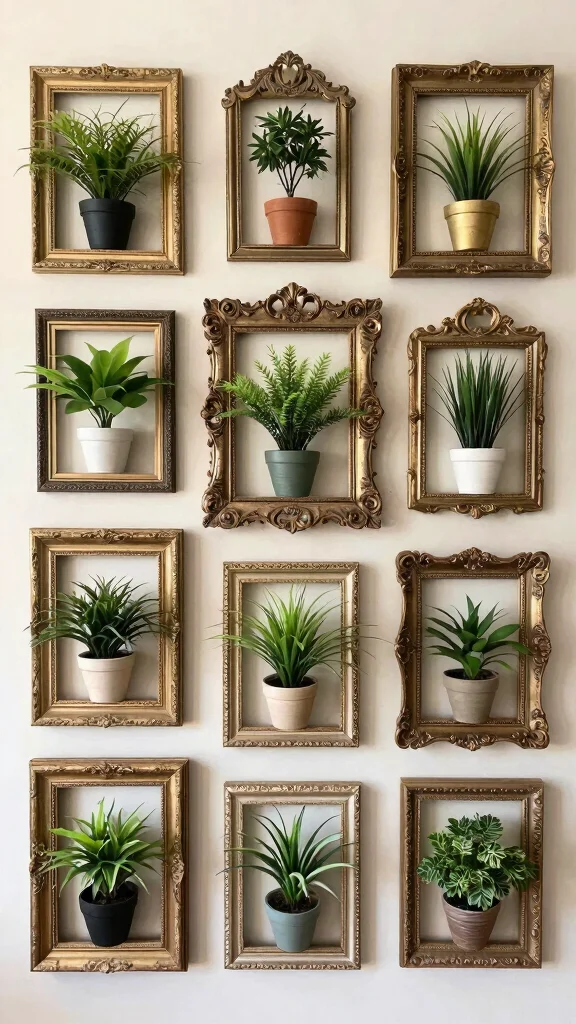
Incorporating vintage frames into your faux plant wall evokes charm and nostalgia. This distinctive design merges the beauty of nature with the elegance of vintage decor, creating a warm and inviting focal point.
Choosing ornate or distressed frames adds character, while filling each with different faux plants or flowers creates a delightful display. Arranging the frames in an appealing pattern enhances the overall visual impact.
Consider these frame ideas:
– Paint frames in colors that complement your plants.
– Use a mix of shapes and sizes for added interest.
A faux plant wall featuring vintage frames provides a charming backdrop, enriching your space with personality and warmth.
11. Faux Plant Backdrop for Open Shelves

Enhance your open shelves with a stunning faux plant backdrop, giving them a fresh and lively appearance. This design not only beautifies the shelves but also highlights the decorative items displayed on them.
Choosing plants that contrast well with the shelf colors creates a striking effect. Layering plants behind books or vases adds depth and visual intrigue.
Here’s how to style your backdrop:
– Use varying heights for added interest.
– Change the plants seasonally to keep the look fresh.
A faux plant backdrop on open shelves transforms ordinary displays into captivating focal points, inviting warmth and nature into your home.
12. Faux Plant Wall Dividers
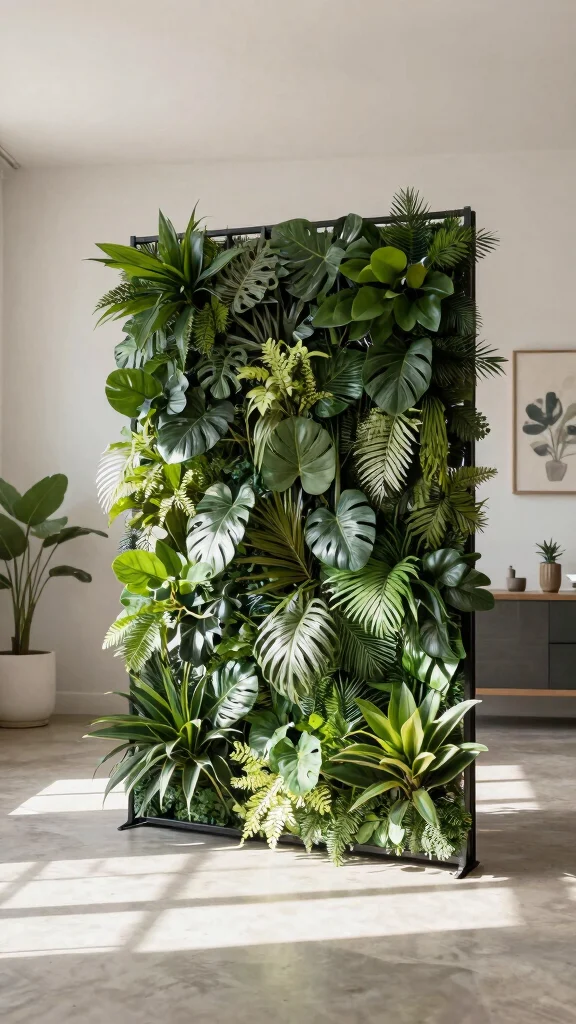
Consider faux plant wall dividers for an innovative way to define spaces within open floor plans. These dividers not only enhance your decor but also serve a functional purpose by bringing greenery into your home.
Dividers provide privacy without closing off areas, adding layers to your overall design. They are easy to install and can be repositioned as needed, making them a versatile choice.
Here are some tips for using dividers:
– Use mobile plant walls that can be moved easily.
– Mix plants with varying colors and textures for vibrancy.
This functional decor element brings a refreshing touch of nature indoors while enhancing your overall design.
13. Faux Plant Wall for Entryways
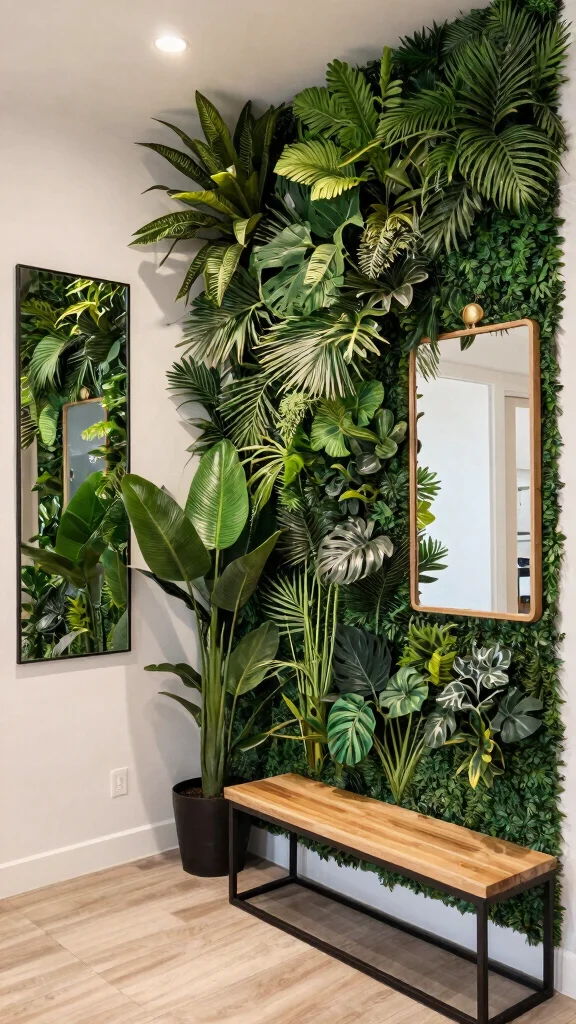
Welcome guests with a stunning faux plant wall in your entryway, creating an immediate impression that sets the tone for your home. This design not only beautifies the space but also creates a warm and inviting atmosphere.
Using taller faux plants adds height and presence, while incorporating functional elements like a bench or coat hooks enhances usability. Framing the wall with mirrors can amplify light and depth, making the area feel larger.
Consider these entryway tips:
– Choose plants that can thrive in varying light conditions.
– Add decorative elements like lanterns or rugs to complement the greenery.
A faux plant wall in the entryway serves as a warm invitation into your home, making every arrival feel special.
14. Seasonal Faux Plant Wall Changes

Your faux plant wall can be a seasonal statement that keeps your decor fresh and relevant. Changing your arrangement with the seasons allows you to express creativity and embrace the transitions of nature.
Consider using brighter colors during spring and summer, incorporating earthy tones in the fall, and adding evergreen elements in winter for a cozy touch. This dynamic approach makes your space feel vibrant and alive throughout the year.
Here are some ideas for seasonal changes:
– Keep a base of greenery and switch out flowers for easy updates.
– Store seasonal elements neatly to keep decor organized.
A seasonal faux plant wall not only adds charm but also brings a celebratory feel to your home, reflecting the beauty of each season.
Seasonal faux plant wall changes are your shortcut to a fresh vibe all year long. Swap colors with the season to keep things lively, from bright spring greens to earthy autumn tones, then cozy evergreen touches in winter.
Conclusion
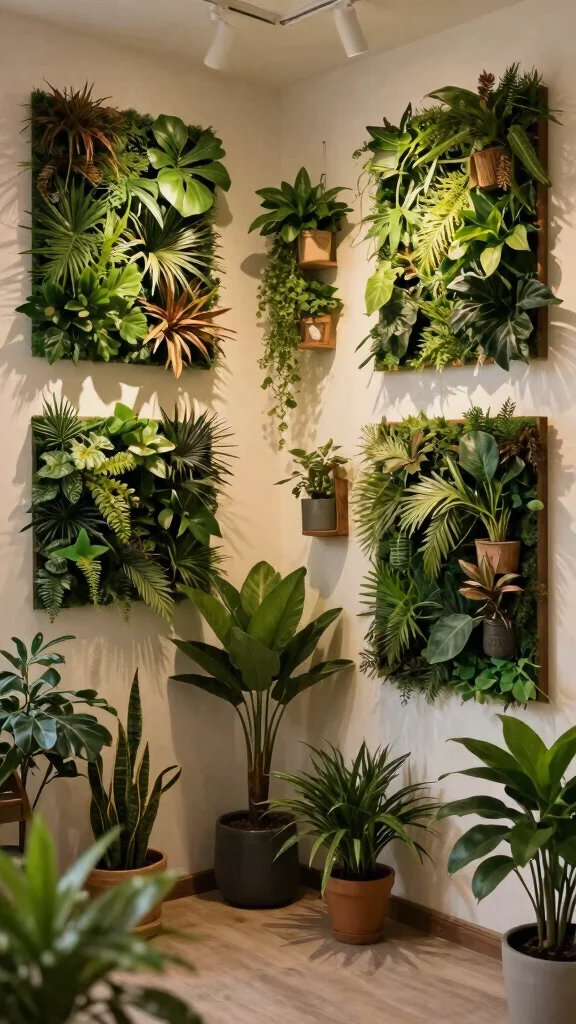
Faux plant walls offer endless possibilities for transforming your indoor spaces into vibrant, green havens. From cozy corners to bold artistic arrangements, these ideas can fit any style while bringing the beauty of nature indoors without the upkeep.
Explore the various options discussed to find the perfect faux plant wall idea that resonates with your space and lifestyle. Whether you want to create a cozy retreat or a striking statement piece, the right faux plant wall can elevate your decor and mood alike.
Note: We aim to provide accurate product links, but some may occasionally expire or become unavailable. If this happens, please search directly on Amazon for the product or a suitable alternative.
This post contains Amazon affiliate links, meaning we may earn a small commission if you purchase through our links, at no extra cost to you.
Frequently Asked Questions
What exactly is a faux plant wall and is it a good fit for small spaces?
A faux plant wall is a decorative feature that covers a wall with artificial greenery to create a lush, maintenance‑free backdrop. It’s ideal for small spaces because it adds texture and color without taking up floor space or needing light, water, or drainage. To get started, measure the wall and decide whether to use ready‑made panels, modular pockets, or individual stems to build your faux plant wall with artificial greenery.
Practical tips: choose a mix of leaf shapes and greens for natural depth, opt for a matte finish to reduce glare, and use renter‑friendly mounting like removable strips or Velcro. Position it away from heat sources and direct sunlight to slow fading. If you’re new to this, start with a small starter panel and expand into a larger vertical garden idea later.
How do you choose realistic artificial greenery for a faux plant wall backdrop?
For a convincing look, pick artificial greenery with varied textures and non‑uniform shading. Look at color temperature (cool greens for a modern vibe, warmer greens for a cozy feel), leaf sizes, and stems that mimic real plants. Choose materials like PE for a natural feel and check for UV resistance if the wall gets sun. Mix a variety of plant types — broad leaves, ferns, and trailing vines — to create depth on your faux plant wall. Consider scale to match wall height, and test colors under your room lighting before committing.
Can I DIY a faux plant wall for a small space and what will I need to get started?
Absolutely. A DIY faux plant wall can be budget friendly and highly satisfying. Start with a plan, measure height and width, and choose a panel system or a simple grid of stems. Gather supplies: artificial greenery, backing panels or lattice, zip ties or floral wire, double sided mounting strips or Command hooks, scissors, and a staple gun or hot glue. Optional: a level, tape measure, and a soft cloth for dusting. Steps: lay out your design on the floor, attach greenery to panels or a frame, mount on the wall, fill gaps with extra pieces, and dust regularly. For renters, use removable mounting to protect walls. Start small and grow your vertical garden ideas gradually.
What are some easy faux plant wall ideas for a vertical garden in a small room?
Here are simple, impactful ideas you can try: a modular panel grid that you can expand over time; framed moss or greenery boards as focal points; hanging pockets for a flexible display; a slim trellis with trailing vines; and a color graded wall using different greens for depth. The key is layering and variety to mimic a real canopy. Start with a focal panel at eye level, then surround with smaller pieces to fill the space without crowding. For styling, incorporate decorative wall accents to blend the look with your room decor. These approaches align with vertical garden ideas for tight spaces.
How do I maintain and clean my indoor faux plant wall to keep it looking fresh?
Regular cleaning keeps your indoor faux plant wall vibrant. Dust weekly with a microfiber cloth or soft brush, then wipe leaves with a damp cloth as needed. Rotate panels occasionally if fading is uneven because of lighting. Check mounting hardware every few months and reattach any loose pieces. Avoid high heat or direct sun to slow fading; store extra stems for quick touch ups. With simple care, your decorative wall accents stay lush year round.
Recommended Products
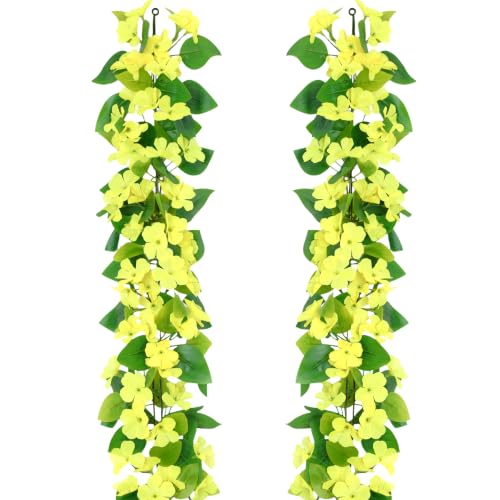
🌸Full Dense 2-Pack Ivy Garland Set: Solve the cheap thin garland trouble; this set includes 2 pieces of fake pothos vines with total length 15 ft, equipped with 90 vivid faux flowers and thick layered pothos leaves; extra 4 aritificial butterfly ornaments for DIY decoration on walls, stair banisters and garden fences.
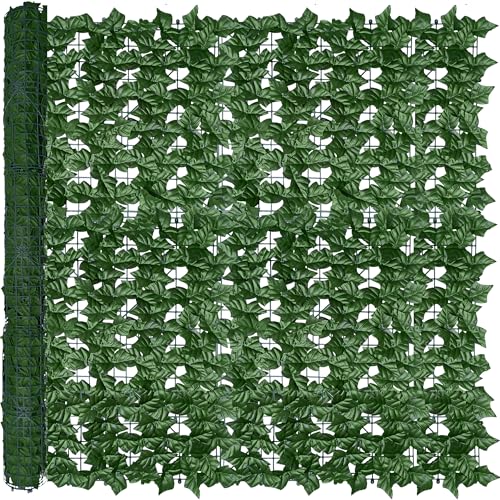
Details: Artificial ivy wall is 120 inches long and 48 inches wide, with green faux ivy leaves. Made up of 30 small panels (connected).Can cover 40 square feet. the faux Ivy Vine are textured and look real. You can reassemble or cut to get the size you want. 50 cable ties are included to assist in installation.
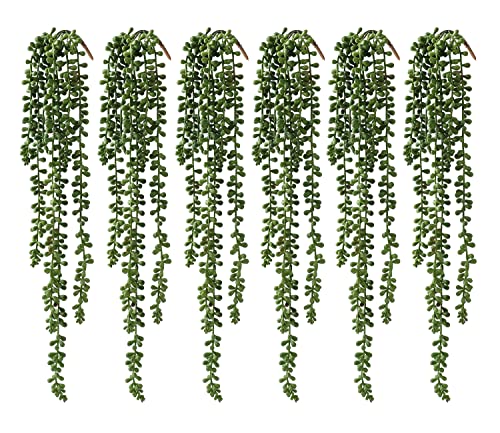
NEARLY NATURAL GREEN LEAVES - This artificial meat pearl string is made of PE plastic material, Does not fade, Durable, Reusable, uv resistant and looks real.
Related Topics
faux plant wall
indoor plant decor
vertical garden
artificial greenery
small space decor
decorative wall accents
easy DIY
modern home
sustainable living
greenery backdrop
minimalist design
beginner friendly