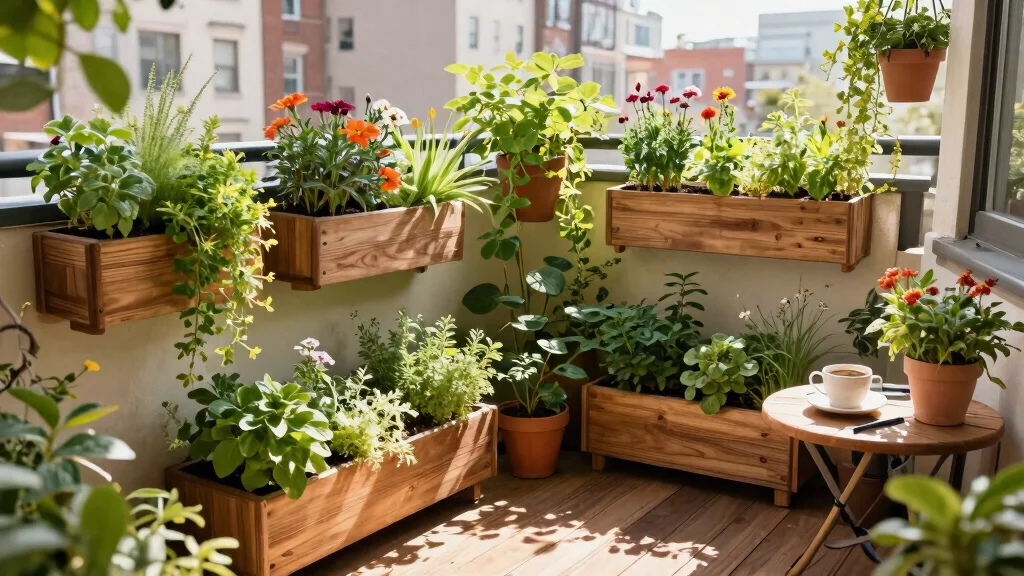
Gardening can bring so much joy, especially when you find yourself craving the beauty of lush plants and vibrant flowers. If you’re like many of us, you may be longing to transform your small space into a green haven. This is why I put together this post! I wanted to share some unique and practical ideas for garden planter boxes that can help you maximize your limited area while keeping your gardening dreams alive.
Whether you live in an apartment with a small balcony or a cozy home with a tiny yard, this post is for you. If you love to garden but feel constrained by your space, you’ll find plenty of inspiration here. I’ve compiled 14 creative ideas that are not just beautiful but also functional, ensuring that you can grow your favorite plants without feeling cramped. These ideas will help you design a productive garden that makes the most of every inch.
From rustic wooden tiered planters to modern stacked designs, you’ll discover options that fit your style and space. Plus, you’ll get handy tips for DIY planter boxes, vertical gardening solutions, and how to incorporate raised garden beds. Get ready to dive into a world of outdoor planter designs that can make your gardening experience fulfilling and enjoyable!
Key Takeaways
– Discover 14 innovative garden planter box ideas tailored for small spaces, ensuring that every inch is utilized effectively.
– Learn about various styles, including rustic, modern, and vertical designs that cater to your aesthetic preferences.
– Get practical DIY tips for creating your own planter boxes, allowing for customization to fit your unique space and needs.
– Explore vertical gardening solutions that help maximize limited space while providing an abundance of greenery.
– Find insights on maintaining and caring for your plants using these planter ideas, ensuring your garden remains productive year-round.
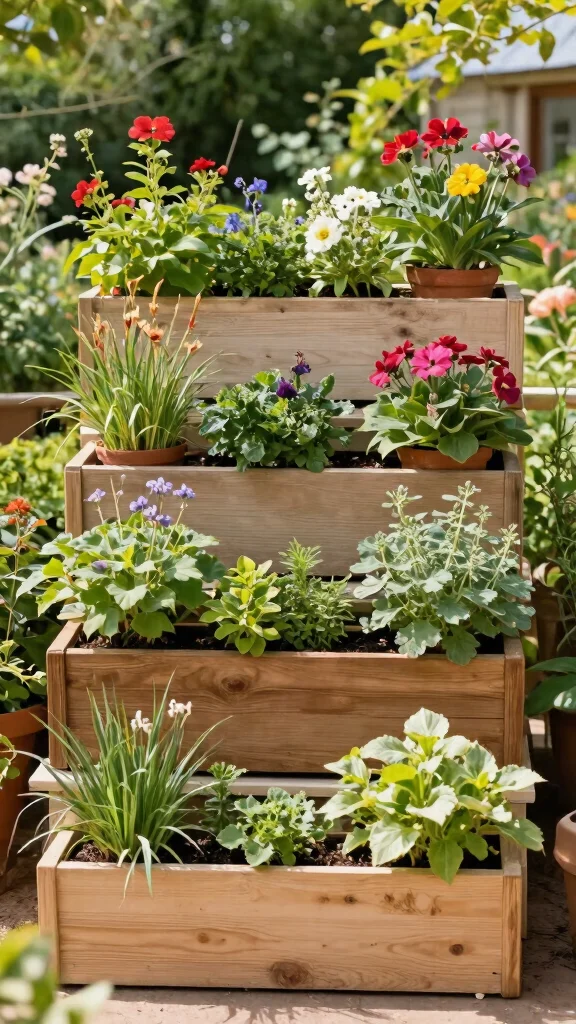
1. Rustic Wooden Tiered Planter

Imagine a charming rustic tiered planter that brings nature to your garden! This design offers multiple levels, allowing you to grow a diverse range of plants while enhancing your garden’s visual appeal. Picture a cascade of vibrant flowers and aromatic herbs creating a lush backdrop against natural wood.
Consider using each tier for different plants: top tiers for colorful flowers and lower ones for easy-access herbs or vegetables. This setup not only looks great but also makes cooking with fresh ingredients effortless.
Tips for This Design:
– Choose untreated wood for safety.
– Ensure each tier has proper drainage.
– Use trellises for climbing plants to add height.
– Pair with a drip irrigation system for easy watering.
With basic DIY skills, you can create a stunning focal point that brings joy to your gardening experience.
2. Vertical Pallet Garden

Transform your small space with a vertical pallet garden that’s both eco-friendly and stylish! By repurposing old wooden pallets, you can create a unique vertical planting frame that adds character to your balcony or patio. Imagine a living wall filled with colorful plants that not only looks beautiful but is functional too.
Be sure to line the pallets with landscape fabric to hold soil while allowing for drainage. Lightweight plants like succulents or herbs work best to keep the structure manageable.
Key Considerations:
– Use food-safe pallets for your plants’ safety.
– Position against a sunny wall for maximum growth.
– Add a water-catching system to help sustain your plants.
This creative project not only enhances your garden but also promotes sustainability through recycling materials.
Small-space living just got greener with a vertical pallet garden. Repurpose pallets, line with landscape fabric, and stack lightweight herbs and succulents into stylish garden planter boxes that drain naturally. You’ll enjoy a living wall that’s eco-friendly, practical, and beautifully simple.
3. Modern Stacked Planters

If contemporary design speaks to you, modern stacked planters are the perfect choice! These sleek planters allow you to maximize vertical space while showcasing your favorite plants. Available in materials like plastic, metal, or ceramic, each offers a unique aesthetic.
Arrange your planters in various formations to create an eye-catching display. Mixing different plant types adds vibrancy and life to your setup.
Tips for Stacked Planters:
– Use lightweight materials for easy rearrangement.
– Ensure each layer has drainage for healthy plants.
– Combine flowers, herbs, and greens for an interesting look.
– Place in direct sunlight for optimal growth.
These stylish planters not only serve as functional gardening solutions but also enhance the beauty of your space.
Fun fact: a three-tier stacked planter can triple usable growing space in a compact 4×4 ft area. Think vertical, not crowded—your herbs and blooms share shelves, not your sidewalk.
Key Trade-offs & Our Top Pick
Rustic Wooden Tiered Planter
– Pros:
– Adds charm and warmth to any garden.
– Multi-level design allows for diverse plant heights, maximizing space.
– Durable wood options can withstand outdoor conditions.
– Cons:
– Requires regular maintenance like sealing or staining to prevent weather damage.
– Heavier than other materials, making relocation difficult.
– Can take longer to assemble if purchasing a DIY kit.
– Best for: Gardeners looking for a classic aesthetic and who have time for maintenance.
Vertical Pallet Garden
– Pros:
– Eco-friendly option using reclaimed materials.
– Easy to customize and set up in various locations.
– Great for herbs and small plants that don’t require deep soil.
– Cons:
– Limited soil depth may restrict plant types.
– Can be unstable if not secured properly.
– May require frequent watering due to rapid soil drying.
– Best for: DIY enthusiasts who enjoy recycling and want a quick gardening setup.
Wall-Mounted Planter Boxes
– Pros:
– Space-saving design perfect for small balconies or patios.
– Offers a modern look and can be easily moved.
– Allows for vertical growth of trailing plants, enhancing aesthetics.
– Cons:
– May require additional wall support for heavier plants.
– Limited soil volume can restrict plant health.
– More expensive than traditional planters.
– Best for: Urban gardeners wanting to utilize vertical space effectively.
DIY Vertical Garden Gutter Planters
– Pros:
– Low-cost materials like gutters make this a budget-friendly option.
– Excellent drainage and air circulation for plants.
– Ideal for growing small items like greens and herbs.
– Cons:
– Installation can be time-consuming.
– Requires regular checking for leaks or blockages.
– Limited to shallow-rooted plants due to gutter depth.
– Best for: Gardeners looking for a creative, cost-effective gardening solution.
Vertical Succulent Garden
– Pros:
– Low water requirements make this ideal for busy gardeners.
– Stunning displays with minimal maintenance.
– Various arrangements and colors can create a unique look.
– Cons:
– Limited plant choice, mostly suited for succulents.
– Can be expensive if purchased pre-made.
– Requires a specific design to prevent toppling over.
– Best for: Succulent lovers who want an eye-catching display with little upkeep.
Expert Recommendation:
Best Overall: Rustic Wooden Tiered Planter
This planter is a top choice for most gardeners. It combines beauty and functionality while allowing for diverse planting options. You get long-term durability with a classic look that fits various gardening styles. The multi-level design maximizes space, making it practical for smaller areas where every inch counts.
Why We Picked This:
While the Rustic Wooden Tiered Planter is our top pick, each option has its strengths. If you prefer a quick DIY project, the Vertical Pallet Garden is fantastic. For compact spaces, wall-mounted options shine. Lastly, if you love succulents, consider a dedicated vertical garden for that specific purpose. Choose what fits your gardening style and space best!
4. Hanging Planter Boxes
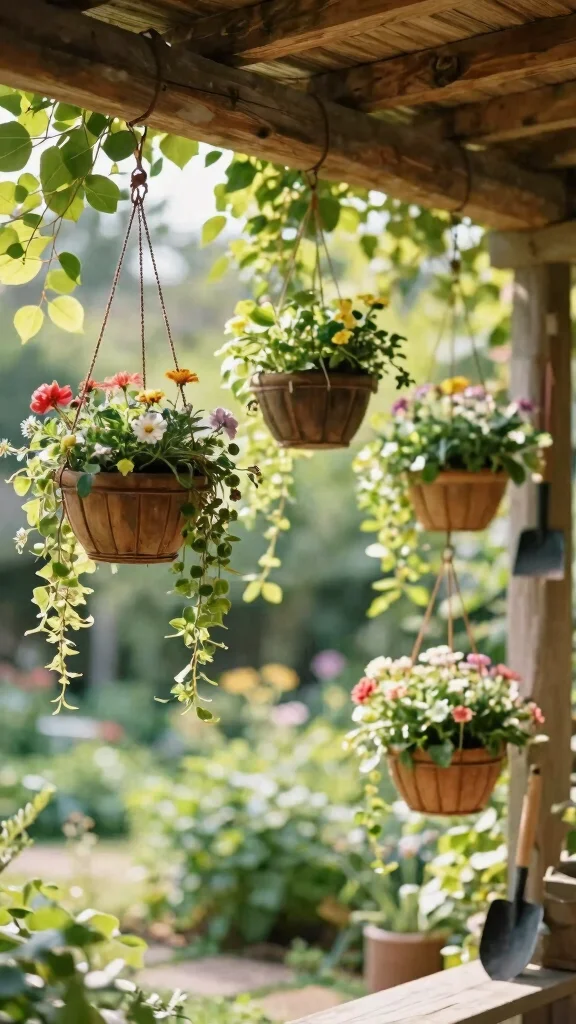
Add a whimsical touch to your garden with hanging planter boxes! These versatile planters allow you to utilize vertical space, perfect for smaller areas. Imagine trailing vines or vibrant blooms suspended in mid-air, captivating anyone who walks by.
Mount these planters on walls or hang them from ceilings to create a breathtaking green display. Be sure to choose plants that grow downwards for added drama.
Hanging Planter Tips:
– Use sturdy brackets for secure mounting.
– Select trailing plants like pothos or ivy for visual impact.
– Water carefully to avoid spills.
– Vary heights for a dynamic arrangement.
The end result is a stunning layered look that infuses life into any small space.
5. Wall-Mounted Planter Boxes
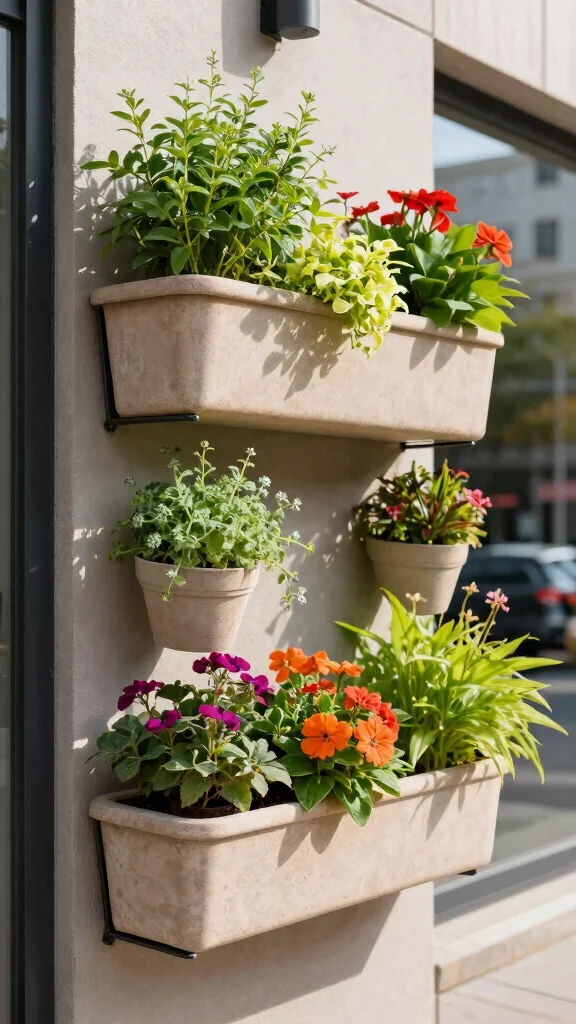
Wall-mounted planter boxes are a fantastic way to introduce depth to your vertical garden! These planters attach directly to walls, transforming them into living artworks that invigorate your space. Picture geometric patterns or symmetrical alignments creating a clean, modern aesthetic.
Incorporate a mix of colorful plants for a striking visual contrast.
Best Practices:
– Choose weatherproof materials for outdoor durability.
– Select plants with varying colors and textures for interest.
– Ensure proper drainage, especially if mounted high.
– Opt for herbs or small veggies that are easy to reach.
These wall-mounted gardens make a bold statement while saving valuable ground space.
6. DIY Vertical Garden Gutter Planters
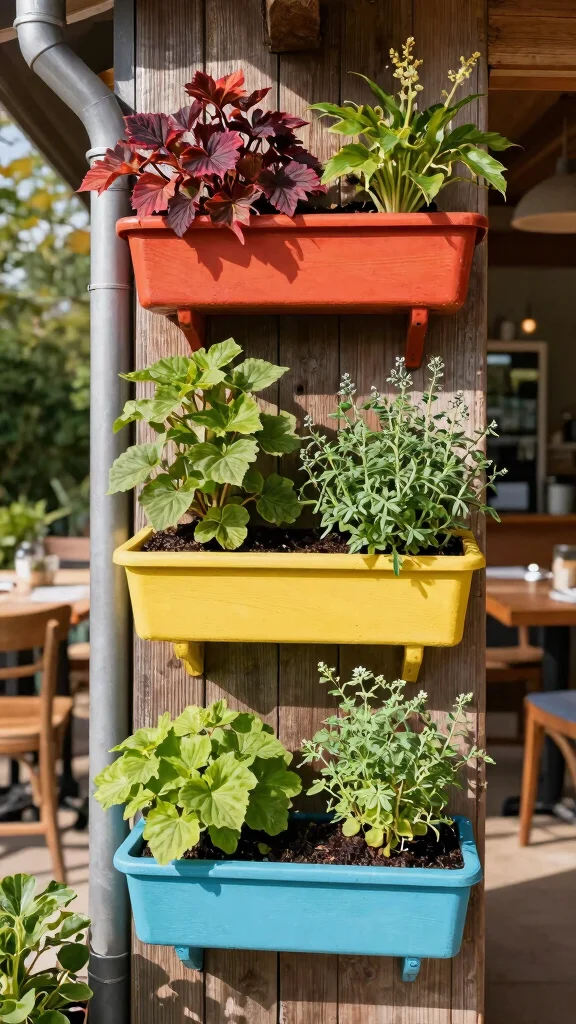
Turn old gutters into a creative DIY vertical garden for a fun and budget-friendly project! Cut the gutters to your desired length and attach them vertically to a wall. Fill them with soil and your favorite plants, creating a unique gardening solution.
This project promotes recycling while giving you a stylish gardening space.
DIY Tips:
– Drill drainage holes in the bottom of the gutters.
– Secure gutters with brackets for stability.
– Use lightweight plants that thrive in limited soil.
– Paint the gutters for a colorful touch.
This clever approach maximizes planting space and keeps your garden looking chic!
7. Tiered Planter Table
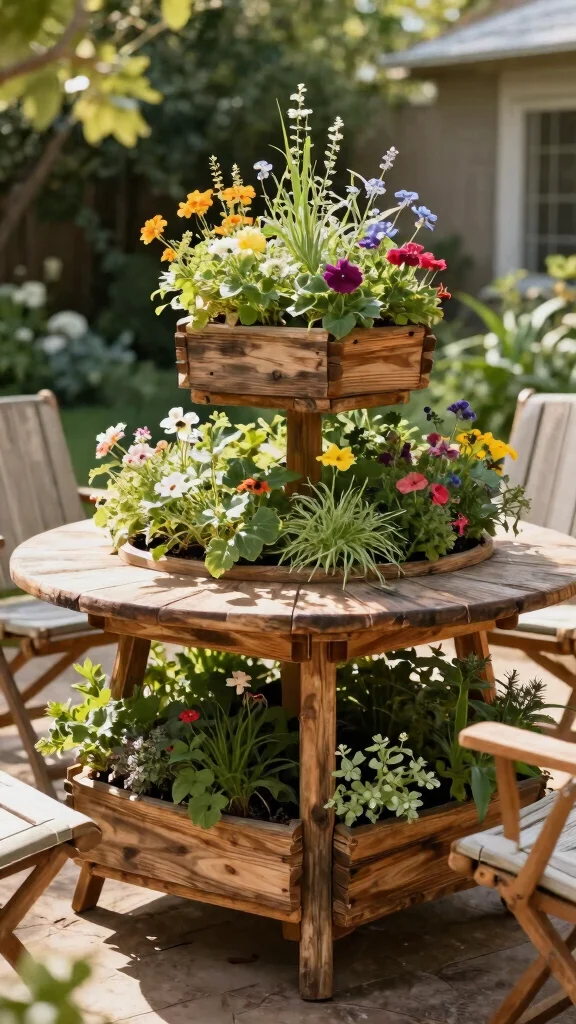
Combine functionality and style by creating a tiered planter table! This innovative design not only allows you to grow herbs or flowers but also serves as a beautiful piece of outdoor furniture. Imagine enjoying a meal outdoors surrounded by fresh greenery.
Choose a design that functions as both a planter and a dining space, making the most of your area.
Essential Tips:
– Use weather-resistant materials for durability.
– Ensure tiers are deep enough for plant roots.
– Consider a table with a cooler for drinks.
– Arrange plants to complement your outdoor decor.
This creative idea gives you a multifunctional space that enhances your outdoor living experience.
8. Vertical Wire Mesh Gardens

For a modern take on vertical gardening, consider using wire mesh! By attaching pots or plants to a wire frame, you can create an industrial-style look that’s both innovative and attractive. This setup promotes airflow and drainage, essential for healthy plant growth.
With an organized display, your garden will look stunning and contemporary.
Key Insights:
– Use galvanized wire mesh for durability.
– Attach pots with hooks or clips for easy rearrangement.
– Incorporate trailing plants for a cascading effect.
– Use various pot sizes for visual appeal.
This design enhances your garden’s aesthetics while maximizing vertical space.
Did you know a vertical wire mesh garden can yield 2x more planting space in a tiny balcony? With garden planter boxes hung on hooks, airflow and drainage boost plant health—and you still get a sleek, modern display.
9. Recycled Container Gardens
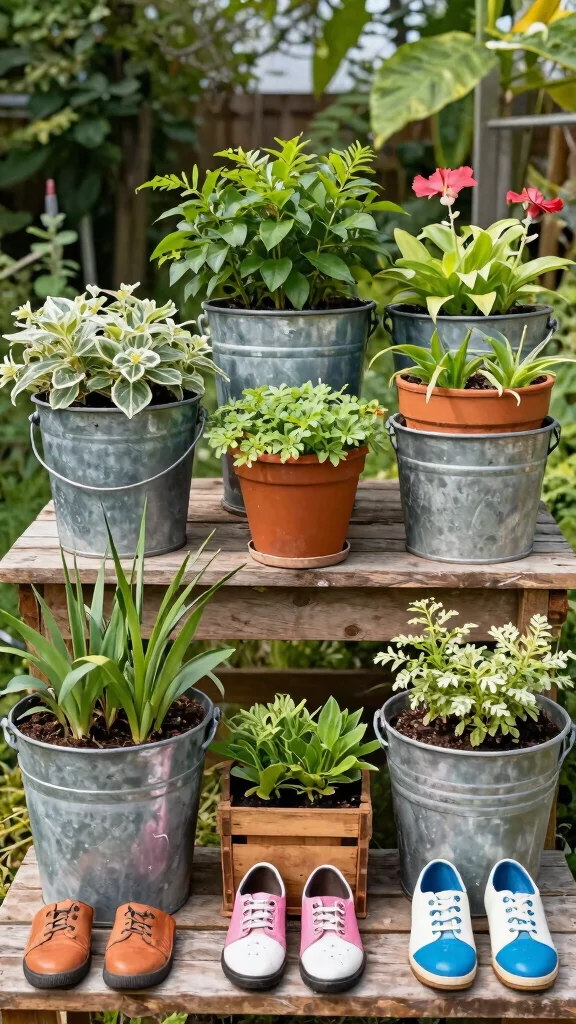
Get creative by repurposing old containers as unique planter boxes! This approach not only saves money but also adds character to your garden. Picture old buckets or crates transformed into eye-catching planters that tell a story.
By recycling materials, you contribute to environmental sustainability while beautifying your space.
Repurposing Tips:
– Ensure containers have drainage holes for healthy plants.
– Decorate or paint containers for a personalized touch.
– Group different containers together for a clustered effect.
– Mix and match styles for an eclectic vibe.
This method enhances your garden while promoting waste reduction!
10. Vertical Garden Kit
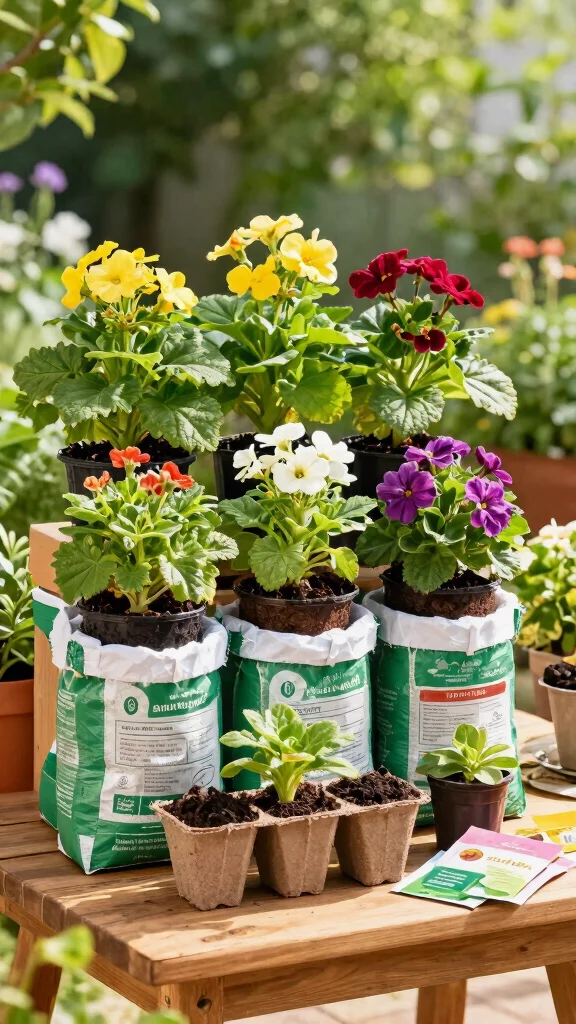
If convenience is what you seek, a vertical garden kit is your best bet! These all-in-one solutions include everything from planters to soil and seeds, making it easy to start your gardening journey.
This option is perfect for beginners who want a hassle-free introduction to gardening.
Advantages of Kits:
– Save time with ready-to-go solutions.
– Many kits allow for customization to fit your space.
– Detailed instructions make setup a breeze.
– Often include self-watering features for low-maintenance care.
With a vertical garden kit, you can cultivate a beautiful garden effortlessly, perfect for busy lifestyles.
11. Modular Vertical Planters
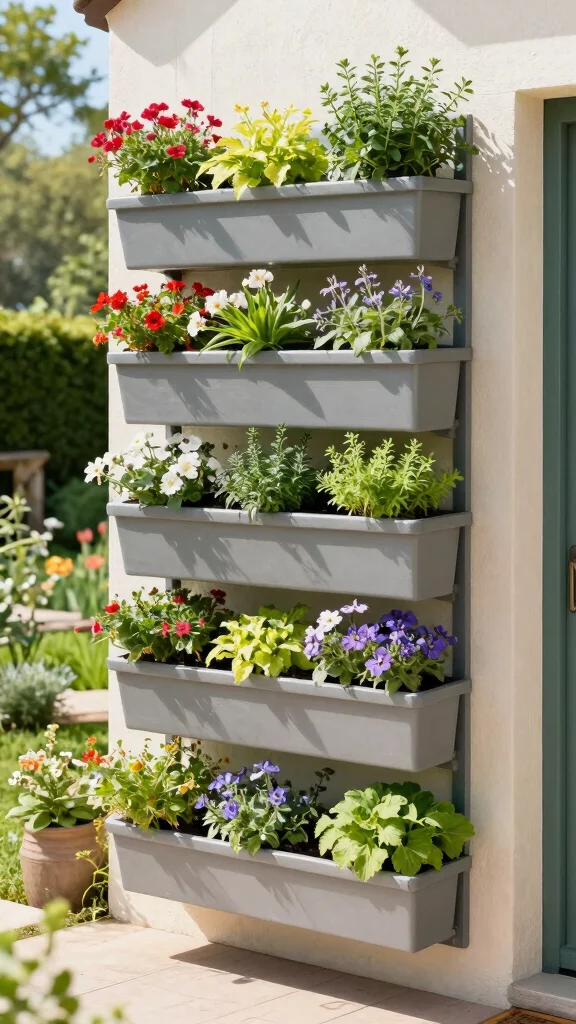
Explore the versatility of modular vertical planters that adapt to your gardening needs! These planters can be rearranged or expanded, allowing you to customize your setup as your gardening skills grow.
Start with a small arrangement and add more sections when you’re ready.
Key Benefits:
– Flexibility encourages creativity and personal expression.
– Easy repositioning based on sunlight or aesthetics.
– Suitable for various plants, from herbs to flowers.
– Made from sustainable materials for eco-friendliness.
With modular planters, you can create a personalized garden that perfectly fits your style and space.
12. Vertical Herb Garden
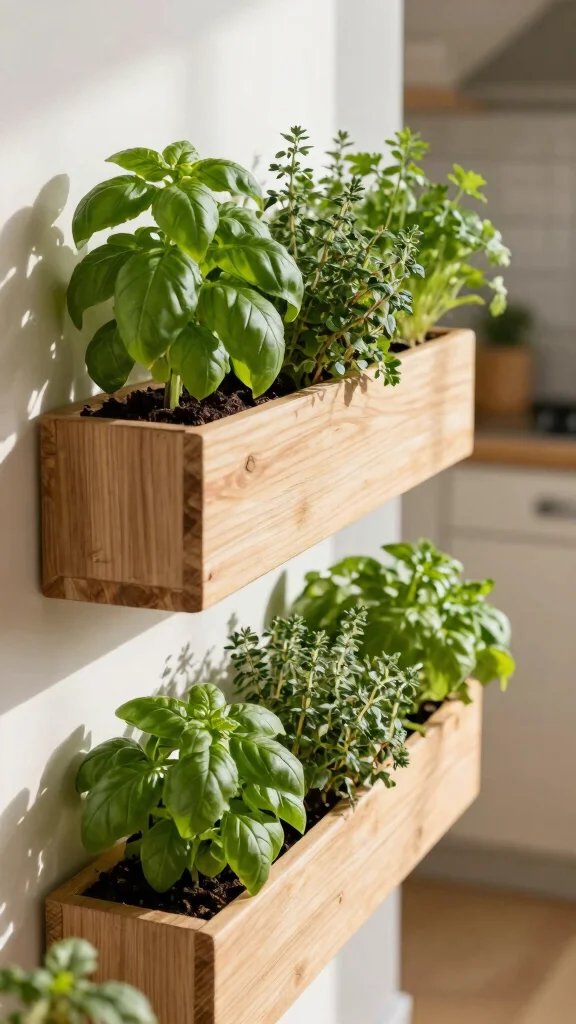
A vertical herb garden brings fresh flavors right to your kitchen! This setup saves space while providing easy access to your favorite herbs. Imagine having basil, mint, and cilantro growing in a perfect vertical arrangement.
Choose smaller planter boxes or pockets for quick harvesting and a tidy appearance.
Herb Garden Tips:
– Arrange herbs by height to maximize sunlight exposure.
– Add labels for easy identification of each herb.
– Regularly trim herbs for bushier growth.
This vertical herb garden not only elevates your cooking but also adds delightful aromas to your home.
13. Container Gardening with Trellis
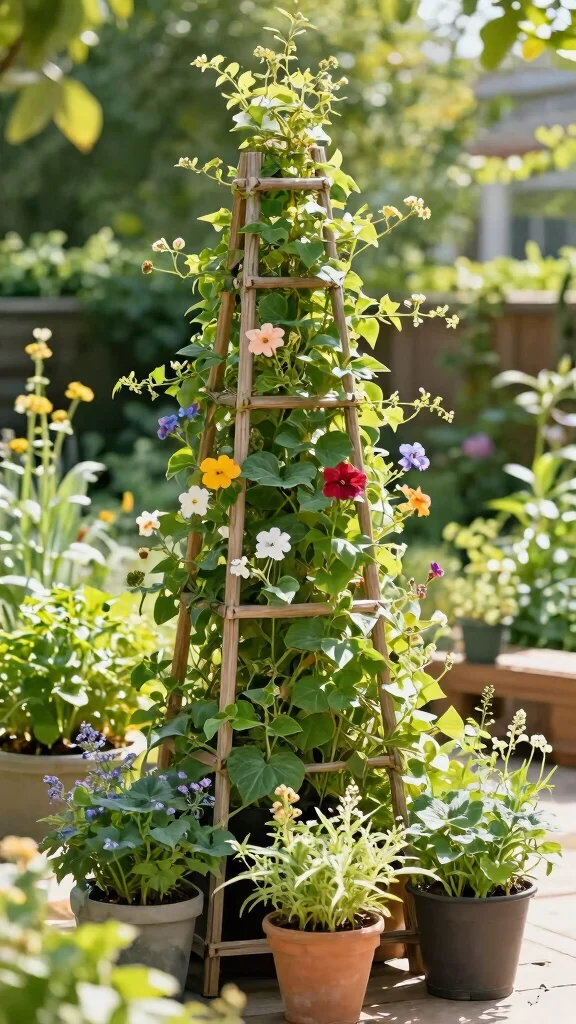
Grow climbing plants easily with a trellis paired with containers! This setup allows you to optimize space while supporting plants like peas or cucumbers. Picture a lush vertical garden that makes harvesting a breeze.
Whether attached to a wall or standalone, the trellis provides essential support for your plants.
Useful Tips:
– Select a lightweight trellis that withstands outdoor conditions.
– Ensure containers are deep enough for roots.
– Position in a sunny area for optimal growth.
– Mix different plants for an appealing display.
This arrangement creates a vibrant green environment while providing easy access to homegrown produce.
14. Vertical Succulent Garden
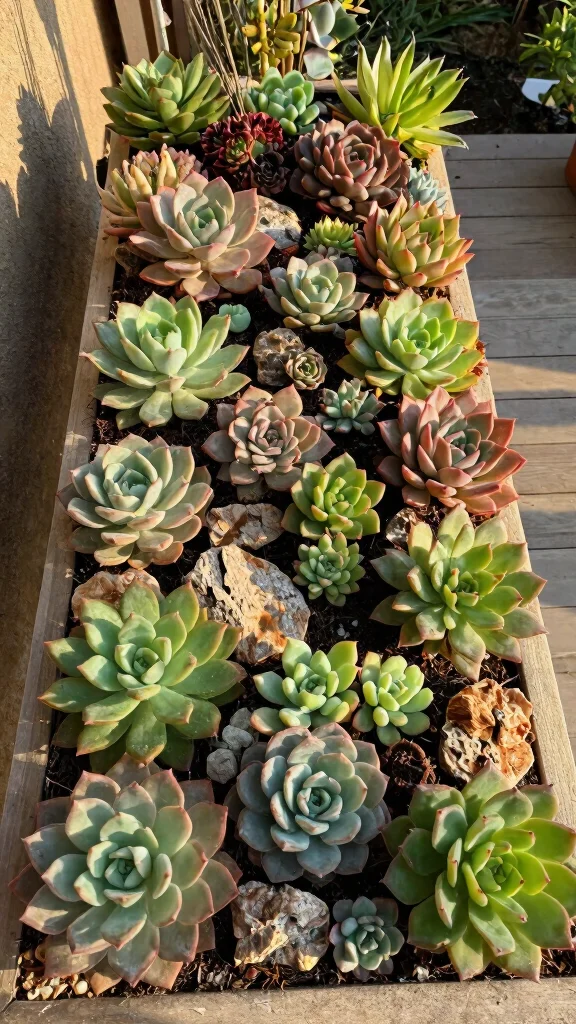
Showcase your love for succulents with a stunning vertical garden! Perfect for sunny balconies or patios, this setup allows these unique plants to thrive. Imagine a colorful living wall filled with various succulents, each adding texture and charm to your space.
Utilize different planters or create a living wall for a dynamic display.
Succulent Garden Tips:
– Combine various shapes and sizes for visual interest.
– Ensure proper drainage for healthy plants.
– Group succulents with similar watering needs together.
– Add decorative stones or driftwood for extra flair.
This vertical garden not only beautifies your outdoor area but also offers a low-maintenance gardening option.
Conclusion
Vertical gardening offers an incredible opportunity to maximize small spaces while adding beauty and productivity to your outdoor areas.
With these 14 garden planter box ideas, you can transform your gardening experience, whether you are a seasoned gardener or just starting. Embrace the creativity of vertical gardening and explore the various designs that capture your style while nurturing your plants.
Get started today, and watch your small space bloom with life!
Note: We aim to provide accurate product links, but some may occasionally expire or become unavailable. If this happens, please search directly on Amazon for the product or a suitable alternative.
This post contains Amazon affiliate links, meaning we may earn a small commission if you purchase through our links, at no extra cost to you.
Frequently Asked Questions
What are the best garden planter boxes ideas for productive small-space gardening?
When space is tight, think vertically with vertical gardening solutions like wall-mounted planter boxes, tiered shelves, or modular crates to turn walls into harvest zones.
Choose weatherproof materials and ensure proper drainage—line planters with landscape fabric and use a high-quality potting mix enriched with compost.
Plant compact varieties that thrive in containers: leafy greens, herbs, radishes, and cherry tomatoes with a trellis. For very shallow boxes, grow greens and herbs; deeper boxes can handle beans or peppers.
Get creative with DIY planter box ideas such as repurposed crates, gutters as troughs, or hanging-pocket systems. For watering, install a simple drip line or a self-watering insert to keep moisture even. Finally, rotate crops and feed with a balanced organic fertilizer to keep soil healthy. All of these tricks fit into smart outdoor planter designs using garden planter boxes to maximize yield in small spaces.
How do I choose the right vertical gardening solutions for a balcony or small patio?
First assess space, sunlight, and load. Then pick a mix of outdoor planter designs that suit your layout: railing planters, vertical pockets, and modular wall boxes are great for balconies and patios. Check mounting options and weight once filled with soil. For sun-drenched spots, choose herbs and compact vegetables (basil, thyme, cherry tomatoes) in larger modules; for partial shade, go with lettuce, spinach, and kale in shallow pockets. Ensure there’s good drainage and accessible watering—drip irrigation or a simple watering can reach every level. With these considerations, your balcony becomes a thriving vertical gardening solutions hub while staying within the limits of your space. Remember gardening container tips like using a high-quality potting mix and a light mulch to reduce evaporation.
Can raised garden beds be adapted into vertical planter designs for small spaces?
Absolutely. Turn a raised bed into a vertical setup by adding extra shelves or attaching planters to a frame. Use a sturdy vertical frame with built-in drainage and liners to hold soil. A trellis can support vines and keep them organized. Combine with wall-mounted pockets or narrow planters to maximize space. This approach blends raised garden beds fundamentals with vertical gardening solutions, giving you more planting area without widening your footprint. Start with a simple two-tier or three-tier design, fill with a rich potting mix, and water with a drip line or watering can. Always ensure adequate drainage and routine maintenance.
What are some DIY planter box ideas that work well for herbs and salads?
There are plenty of budget-friendly DIY ideas. Try repurposed wooden crates lined with landscape fabric for a rustic look, or mount gutter sections to a fence to create long narrow herb troughs. Window boxes or planter boxes made from pallets are easy to assemble. For drainage, drill holes and add a bit of gravel at the bottom, then line with fabric. Plant herbs like basil, parsley, chives, and greens like lettuce and arugula in appropriate depths. Use DIY planter box ideas that you can tailor to your space, and follow gardening container tips like spacing, sun, and water needs to keep plants productive.
What gardening container tips help me keep soil healthy and avoid overwatering in vertical planter boxes?
Focus on soil, drainage, and watering. Use a high-quality potting mix designed for containers and a slow-release fertilizer. Ensure every planter has drainage holes and consider a layer of gravel or perlite to improve drainage. Use self-watering inserts or a small drip irrigation kit so moisture stays even in vertical rows. For soil depth, plan for at least 6–8 inches for greens and herbs, 12 inches for larger vegetables. A moisture meter can help you catch overwatering or drought early. Regularly top up with compost and rotate crops with the seasons. These gardening container tips help you keep healthy plants in compact vertical garden planter boxes and avoid common issues.
Related Topics
garden planter boxes
vertical gardening
small space solutions
DIY planter boxes
raised garden beds
outdoor planter designs
easy gardening
container gardening
urban gardening
seasonal planting
sustainable gardening
beginner friendly