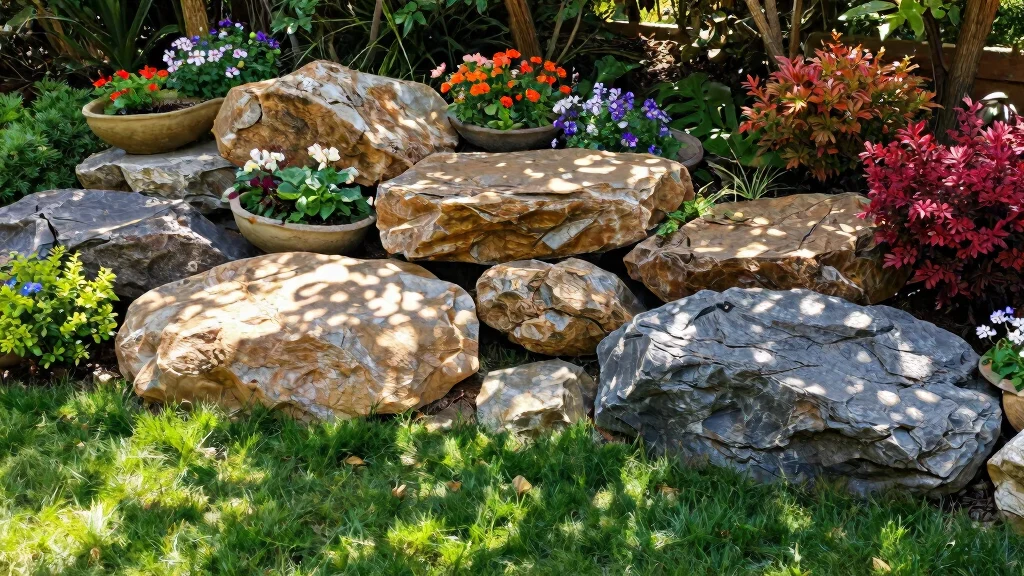
Creating a beautiful outdoor space can sometimes feel overwhelming, especially when it comes to choosing the right materials for your garden. That’s where the idea of using faux rocks for landscaping comes into play. These artificial landscape stones not only provide a natural look but also come with the added benefits of affordability, durability, and low maintenance. The inspiration for this post comes from my passion for gardening and the desire to help you transform your outdoor areas into a stunning retreat.
If you’re someone who loves to enhance your garden but may not have the time or budget for real stone, you are in the right place. Whether you’re a seasoned gardener or just starting out, this guide will give you 15 creative ideas for integrating decorative garden rocks into your space. You’ll discover how these outdoor rock alternatives can add character, structure, and a touch of whimsy to your landscape.
In this post, I’ve compiled a list of ideas that are not just visually appealing but also practical and fun. From elegant stone planters to unique pathway designs, each suggestion aims to inspire your creativity and make your garden a delightful place to spend time. Let’s dive into the world of faux rocks for landscaping and explore how you can easily elevate your outdoor decor.
Key Takeaways
– Faux rocks offer a cost-effective and low-maintenance alternative to natural stones, making them ideal for any budget-conscious gardener.
– Artificial landscape stones come in various shapes and sizes, allowing for unique designs that suit your specific garden style.
– Incorporating synthetic rocks can help define garden areas, such as borders or seating spaces, providing structure and visual interest.
– Using decorative rock piles or faux boulders can enhance existing features like water installations or rock gardens, adding depth to your landscape.
– Seasonal decorations and themed installations with faux rocks can bring a playful touch to your outdoor space, making it enjoyable throughout the year.
1. Elegant Stone Planters

Imagine transforming your garden with elegant stone planters that look just like natural rock. These faux stone planters provide a stylish way to display everything from colorful flowers to low-maintenance succulents. With a variety of shapes and sizes available, you can easily enhance your landscape’s charm without the hassle of heavy lifting.
To maximize their beauty, consider how sunlight and space can affect your plant choices. Pair larger planters with tall plants for visual height and use smaller ones for intricate designs. By choosing colors that mimic local stones, you can achieve a seamless look in your garden.
Key tips for selecting the right stone planters:
– Opt for planters with drainage holes for healthier plants.
– Mix larger planters with smaller ones for a dynamic arrangement.
– Choose colors and textures that harmonize with your garden’s theme.
– Incorporate planters in different heights for added interest.
These elegant stone planters not only elevate your garden’s aesthetic but also make plant care a breeze.
2. Decorative Edge Borders
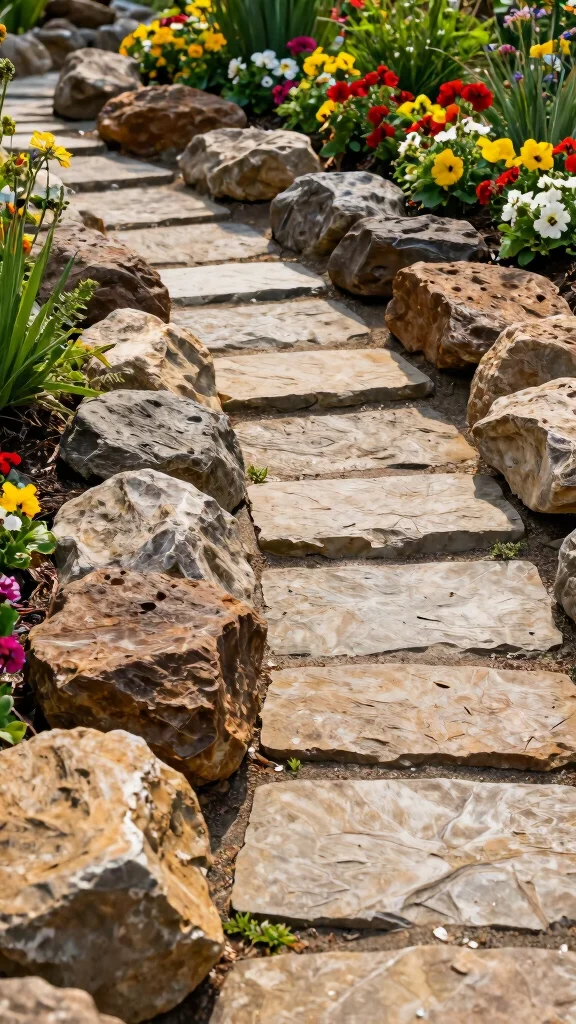
Enhance your garden’s structure with decorative edge borders made from faux rocks. These versatile stones help define garden beds and pathways, keeping soil and mulch neatly in place. With various styles available, you can create unique layouts that add visual interest and depth to your space.
Using faux rocks as borders not only elevates the look of your garden but also minimizes maintenance by preventing weed growth. Play around with shapes and sizes to find a combination that suits your yard’s character.
Tips for effective border designs:
– Position larger stones at corners for a bold statement.
– Use smaller stones along curves for a softer touch.
– Mix different colors and textures to create a natural feel.
These decorative borders can turn a simple garden into a well-defined and attractive outdoor area.
3. Boulder Seating Areas
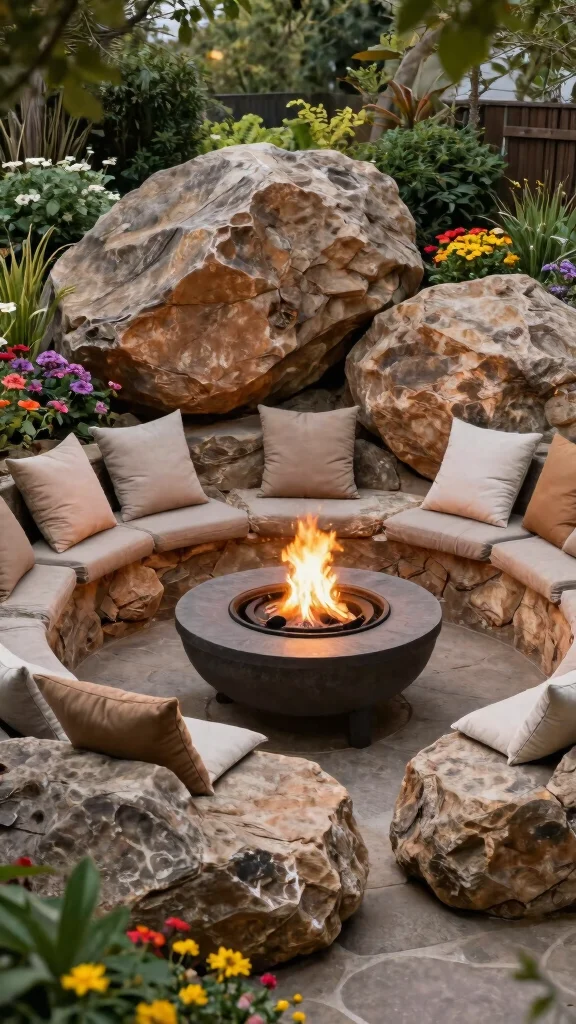
Create a cozy retreat in your garden with large faux boulders designed for seating. These lightweight yet sturdy stones offer a natural look without the hassle of moving heavy rocks. Picture relaxing with friends around these stylish seating options, making your outdoor space both functional and inviting.
To design an appealing boulder seating area, consider the arrangement to foster conversation and comfort. Decorate your faux boulders with cushions for a more inviting atmosphere, and use them creatively to fit your garden layout.
Tips for boulder seating arrangements:
– Choose flat-topped rocks for comfort.
– Arrange seating in a circle for better interaction.
– Add cushions or throws for extra comfort.
These boulder seating areas not only enhance your garden’s beauty but also provide perfect spots for relaxation.
On sunny days, boulder seating areas feel instantly welcoming—no heavy lifting required with faux rocks for landscaping. Arrange them in a circle to spark conversation, then toss cushions for comfort and color. Your outdoor retreat should invite friends to stay a while.
4. Water Features
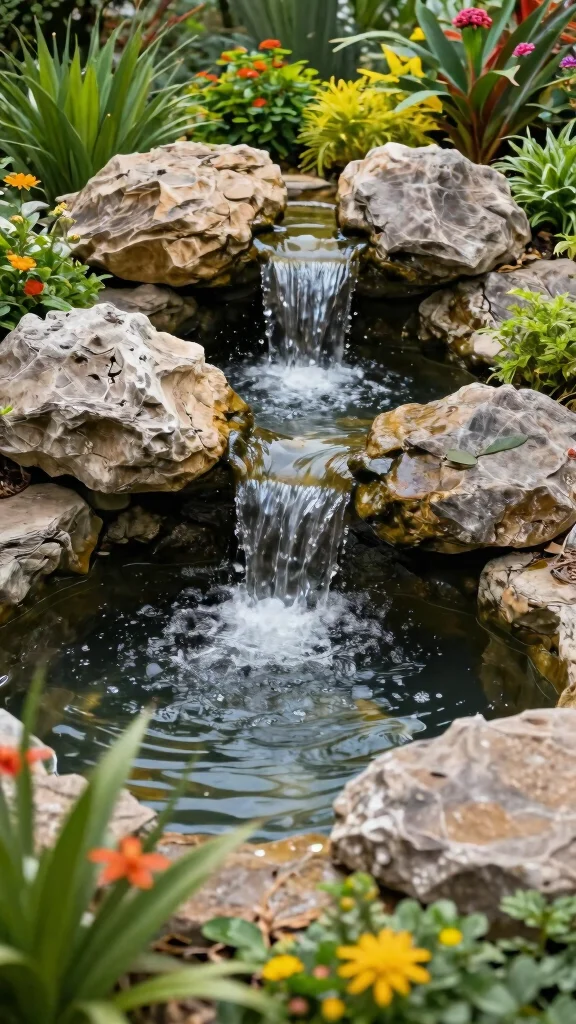
Incorporate faux rocks into your water features to create a serene and natural atmosphere. These artificial stones can transform simple ponds or fountains into stunning displays, mimicking the look of real rock formations. Imagine the soothing sound of water cascading over faux boulders, adding tranquility to your garden.
When designing water features, think about how faux rocks can be used to build up edges or create waterfalls. This not only enhances the visual appeal but also integrates the water element beautifully into your landscape.
Tips for enhancing water features:
– Use larger rocks as focal points in your design.
– Create small cascades using various stone sizes.
– Ensure proper waterproofing to protect the faux elements.
Faux rocks in water features create a harmonious balance, inviting relaxation and contemplation.
5. Rock Gardens

Designing a rock garden with faux rocks is a wonderful way to display a variety of plants in a visually stunning manner. These artificial stones can mimic natural formations, allowing you to create a captivating display with succulents, alpine plants, and ground covers. Mixing colors and textures can make your rock garden a focal point in your yard.
To build an effective rock garden, consider using different sizes of faux rocks to create layers and depth. Pair them with plants that thrive in rocky conditions for a natural look, and don’t forget to use gravel for added authenticity.
Tips for building your rock garden:
– Use varying rock sizes for a dynamic appearance.
– Incorporate plants that thrive in rocky environments.
– Fill gaps with gravel or sand for a realistic touch.
Faux rock gardens provide a low-maintenance alternative to traditional designs, bringing beauty and ease to your space.
6. Unique Pathway Designs
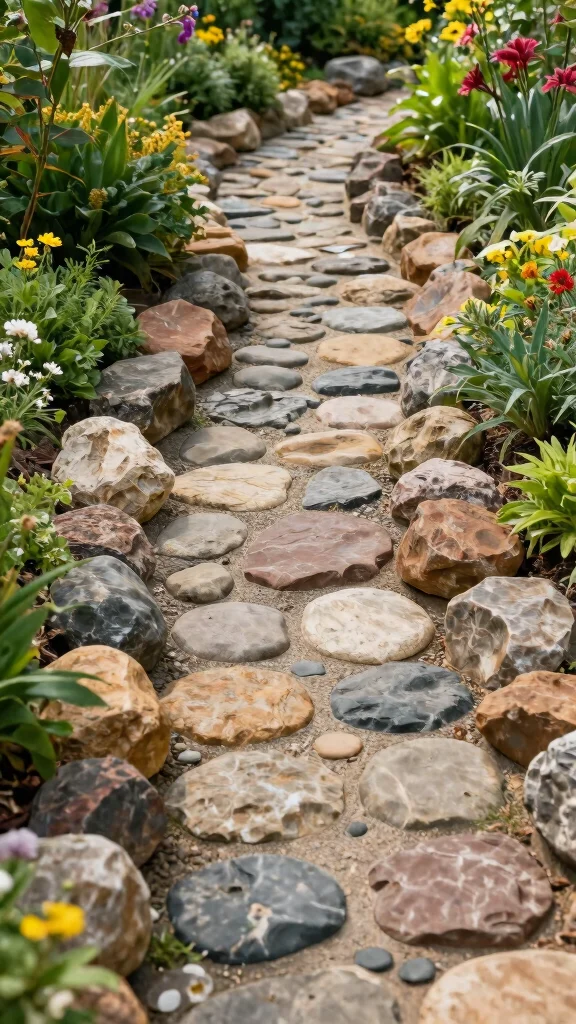
Craft charming pathways with faux rocks that add character and charm to your garden. These artificial stones can be arranged in various patterns, creating inviting trails that encourage exploration. Imagine walking along a rustic path lined with faux cobblestones, enhancing your garden’s aesthetic while providing a sturdy surface for foot traffic.
When designing your pathway, consider how different rock shapes and colors can enhance the overall look. A meandering path often feels more organic and inviting, leading you through your outdoor space.
Tips for designing faux rock pathways:
– Choose rocks that match your garden’s style.
– Create winding paths for a natural feel.
– Use varied colors for a vibrant design.
These unique pathways not only serve a practical purpose but also elevate your garden’s overall beauty.
Key Trade-offs & Our Top Pick
Option 1: Artificial Landscape Stones
– Pros:
– Mimics natural stone very well, creating a realistic look.
– Lightweight and easy to move around your garden.
– Cons:
– May fade in color over time due to UV exposure.
– Some cheaper options can look less convincing.
– Best for: Homeowners looking for a cost-effective, attractive option for garden decor.
Option 2: Decorative Garden Rocks
– Pros:
– Available in various colors and sizes, allowing for personalization.
– Durable materials resist rust and weather damage.
– Cons:
– Can be heavier, making installation more labor-intensive.
– High-quality options may be more expensive, affecting your budget.
– Best for: Those who want to add unique, eye-catching features to their garden.
Option 3: Fake Boulders for Landscaping
– Pros:
– Can create significant focal points in large outdoor spaces.
– Help define areas of the garden, such as seating or play zones.
– Cons:
– Installation may require assistance due to their size.
– Some may find them too bulky for smaller gardens.
– Best for: Gardeners with spacious yards who want to make a bold statement.
Option 4: Synthetic Rocks for Gardens
– Pros:
– Often designed to blend seamlessly with natural surroundings.
– Versatile enough for various uses—from borders to art installations.
– Cons:
– Some options can be pricey, which may not fit every budget.
– Can be less sturdy than real stone in high-traffic areas.
– Best for: Eco-conscious gardeners looking for sustainable, stylish options.
Option 5: Faux Rock Retaining Walls
– Pros:
– Provide structural support while adding aesthetic appeal.
– Can be used to create terraced gardens or raised beds.
– Cons:
– Installation can be complex and may require professional help.
– Heavy materials can contribute to higher shipping costs.
– Best for: Homeowners needing functional solutions that enhance their landscape’s beauty.
Best Overall: Decorative Garden Rocks
Decorative garden rocks take the crown for their versatility and aesthetic appeal. They offer a wide range of sizes, colors, and styles, making them suitable for any garden theme. You can use them to create borders, define pathways, or add unique features. Additionally, their durability means they will stand the test of time, providing long-lasting beauty without the hassle of maintenance.
Why We Picked This:
While decorative garden rocks shine in most situations, you might prefer artificial landscape stones if you’re on a tighter budget. If you have a large space and want to make a bold impression, fake boulders could be your top choice. For those focused on sustainability, synthetic rocks are an excellent fit. Ultimately, your decision should reflect your garden’s specific needs and your personal style!
7. Faux Rock Retaining Walls
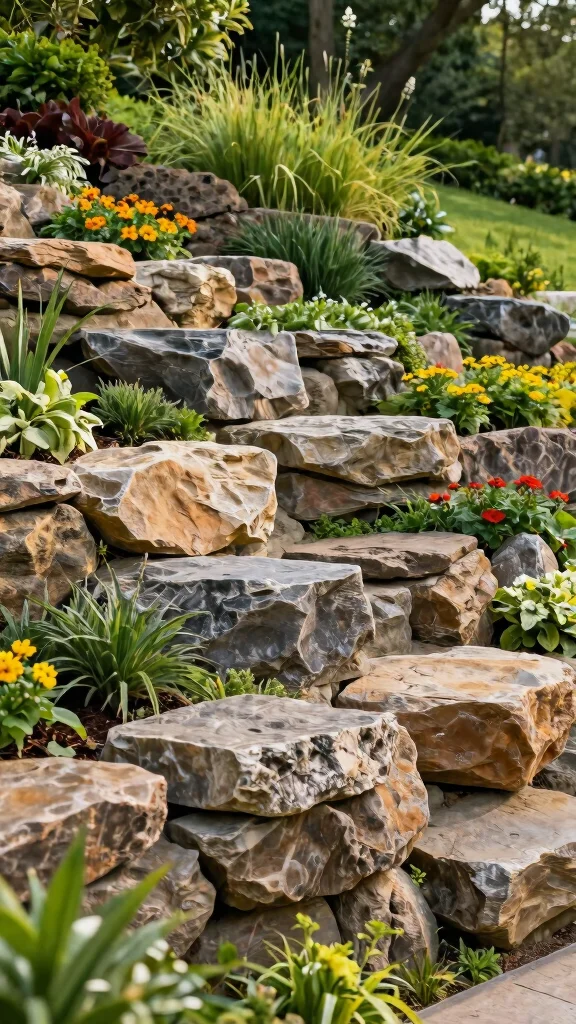
Faux rocks are ideal for constructing retaining walls that add both function and beauty to your garden. These artificial stones can effectively hold soil in place while giving your landscape a rustic charm. Imagine creating different levels in your garden, allowing for diverse plantings and a well-structured appearance.
Building a retaining wall with faux rocks not only manages water flow but also enhances your garden’s design. By varying the height and arrangement, you can create a stunning visual impact.
Tips for constructing retaining walls:
– Plan the height based on your garden’s slope.
– Use larger stones at the base for stability.
– Fill gaps with soil to create a seamless look.
Faux rock retaining walls combine functionality and beauty, seamlessly integrating into your garden’s overall design.
Fun fact: A faux rock retaining wall can reduce soil erosion by up to 60%, while adding rustic charm. With varied heights and smart placement, you create levels for more plantings and easier water flow. Practical, affordable, and gorgeous—faux rocks for landscaping make it doable.
8. Decorative Rock Piles
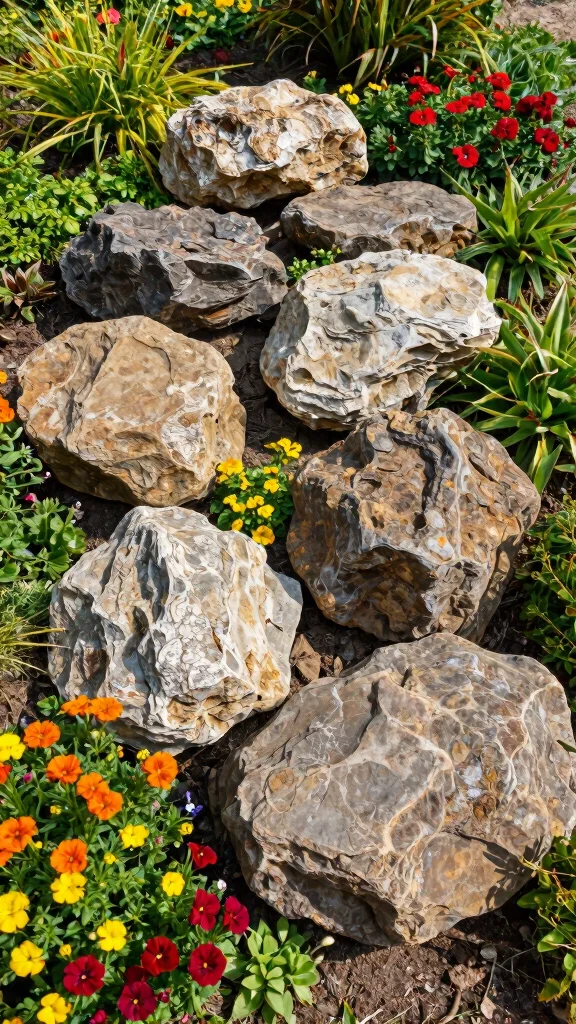
Create artistic decorative rock piles using faux rocks to add flair to your landscape. These arrangements can serve as eye-catching focal points or subtle accents in garden beds, providing height and interest without the weight of real stones. Picture a charming stack of faux boulders that draws the eye and invites conversation.
By mixing different sizes and shapes, you can create natural-looking arrangements that blend beautifully into your garden. Whether a small cluster or a towering display, these stone piles can enhance your outdoor space.
Tips for designing rock piles:
– Choose rocks with varied textures for depth.
– Balance your arrangement to maintain stability.
– Add plants at the base for a softer look.
Faux rock piles allow for creative expression while enhancing the natural beauty of your landscape.
9. Garden Art Installations
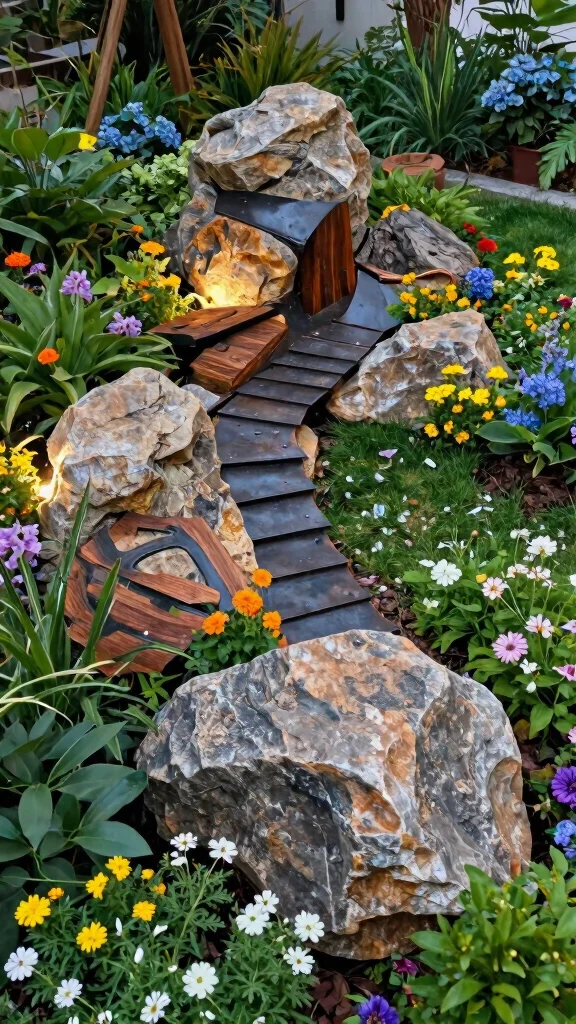
Faux rocks can play a unique role in garden art installations, merging creativity with nature. By combining faux stones with other materials, you can design stunning visual displays that catch the eye. Imagine an arrangement that mimics natural formations or whimsical shapes, adding an artistic touch to your garden.
These installations can be as simple or elaborate as you wish, making faux rocks a versatile medium for artistic expression outdoors. Incorporating plant life can help integrate your art with the surrounding environment.
Tips for creating art installations:
– Use contrasting materials like wood for visual interest.
– Plan a theme before starting your project.
– Include plants to connect art with nature.
Faux rocks can beautifully blend creativity and nature, transforming your garden into a visual delight.
10. Fairy Gardens
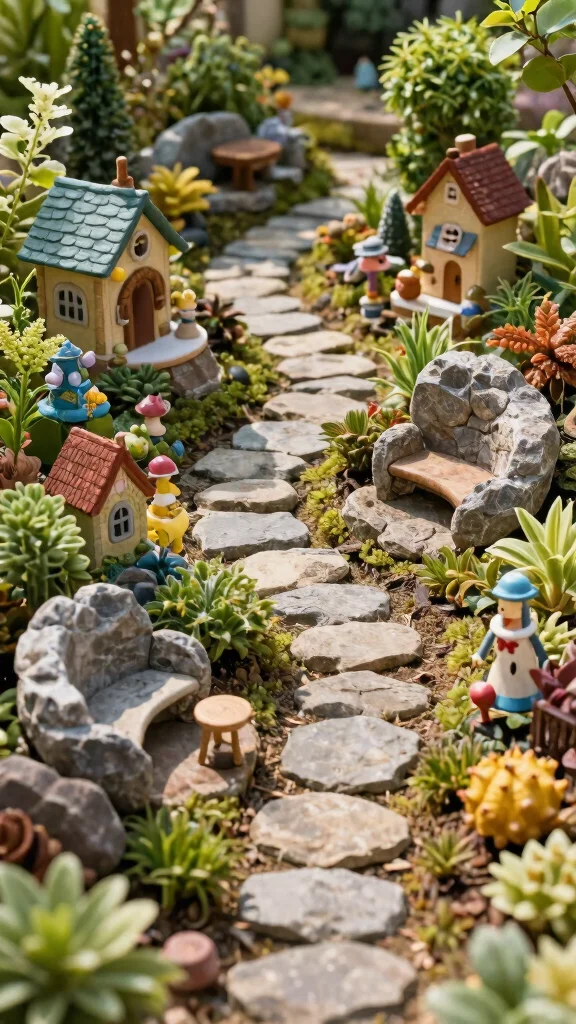
Faux rocks are perfect for crafting enchanting fairy gardens that spark imagination. These miniature landscapes can be adorned with artificial stones, creating whimsical paths and features that invite joy. Picture a tiny seating area or a miniature pond nestled among faux rocks, making your fairy garden come alive.
Using small-sized faux rocks maintains scale and realism, allowing you to design charming spaces that delight both kids and adults. The possibilities are endless, making it a fun project for everyone involved.
Tips for designing fairy gardens:
– Use small faux rocks to keep the scale appropriate.
– Incorporate colorful plants for added charm.
– Include whimsical elements like tiny houses or figurines.
Faux rocks in fairy gardens inspire creativity, creating a delightful experience for all ages.
11. Succulent Displays
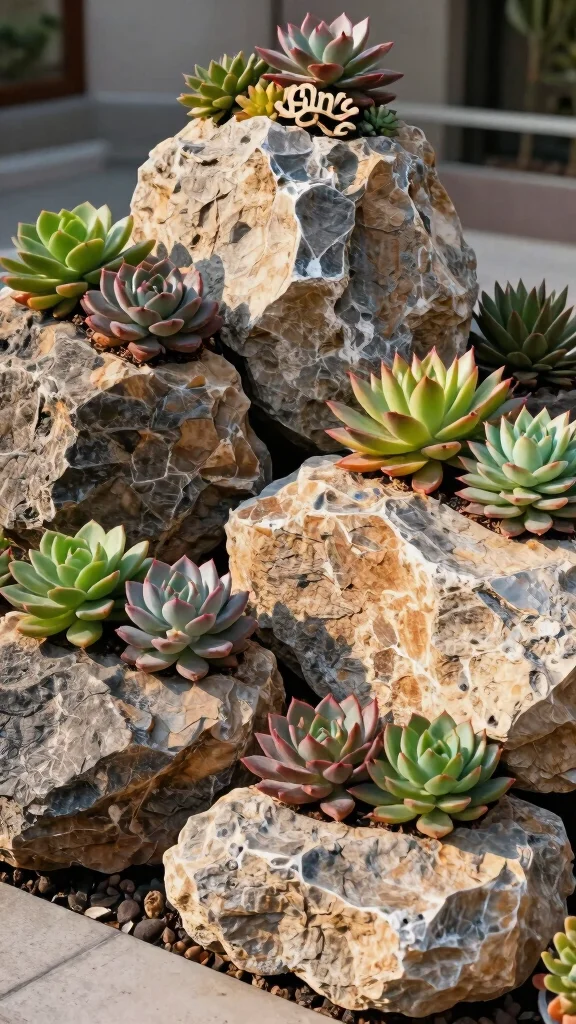
Faux rocks serve as a fantastic base for showcasing succulents, providing stability while enhancing the natural aesthetic. These arrangements can be used as centerpieces on patios or integrated into larger garden displays. Imagine a stylish arrangement of succulents nestled in faux stone planters, creating a modern and sleek look.
By utilizing faux rocks to add height and dimension, you can highlight the beauty of these resilient plants. This combination is not only visually appealing but also low-maintenance, making it perfect for busy gardeners.
Tips for succulent displays:
– Group various sizes and colors of succulents for interest.
– Use faux rocks to create height in arrangements.
– Ensure proper drainage in planters for healthy plants.
This pairing of faux rocks and succulents offers a contemporary style that elevates any garden.
12. Seasonal Decorations
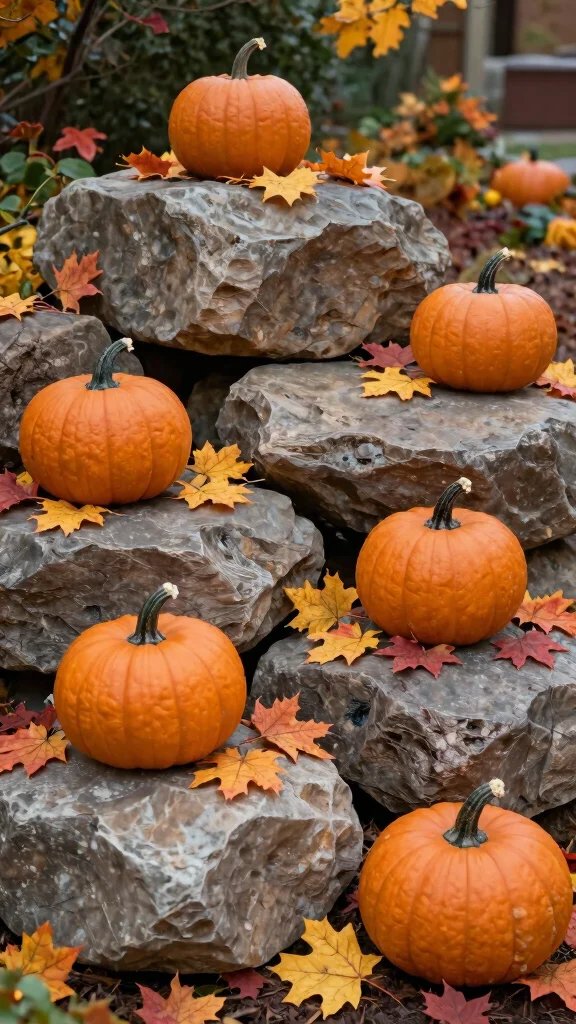
Faux rocks are versatile for seasonal decorations, allowing you to creatively change your garden’s look throughout the year. With simple additions, you can enhance your outdoor space for any holiday or season, making faux rocks the perfect foundation for festive decor.
For example, during fall, place pumpkins on faux stone bases, or in winter, adorn them with faux snow and twinkling lights. This flexibility keeps your garden fresh and engaging, inviting admiration from visitors.
Tips for seasonal decorations:
– Choose faux rocks that complement seasonal colors.
– Use lights to create a cozy ambiance during holidays.
– Rotate decorations to maintain excitement throughout the season.
Faux rocks provide a charming backdrop for seasonal celebrations, enriching your garden’s beauty year-round.
13. Nature-Themed Trellises
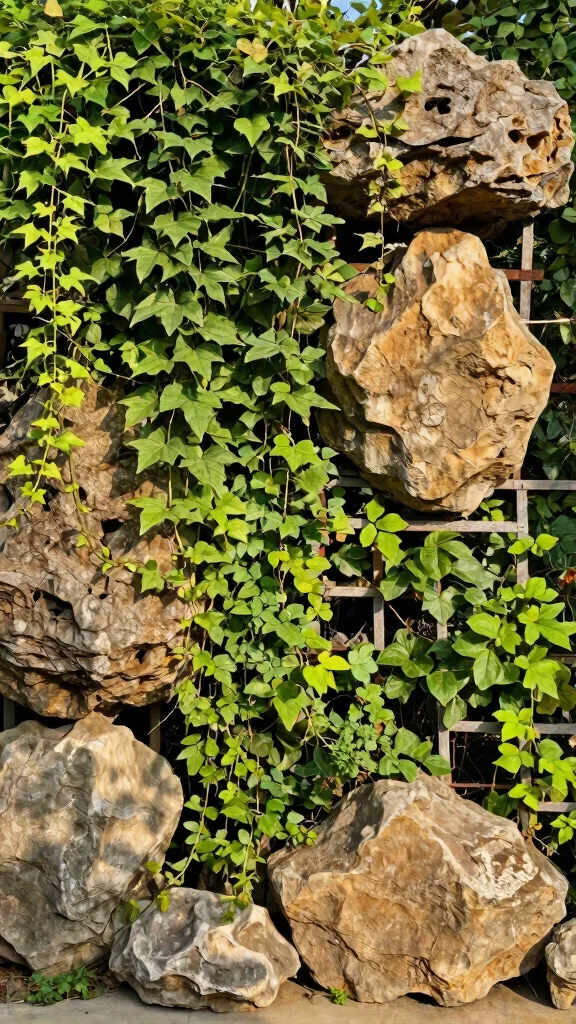
Integrate faux rocks into nature-themed trellises for a unique backdrop for climbing plants. This design not only supports your vines and flowers but also adds a stunning rock formation look to your garden. Picture a trellis adorned with faux stones, creating an inviting and lush aesthetic.
By arranging faux rocks at varying heights, you can craft a visually appealing focal point that enhances the beauty of your climbing plants. This combination of faux stones and greenery creates an organic feel in your garden.
Tips for building nature-themed trellises:
– Arrange faux rocks at different heights for interest.
– Choose climbing plants that thrive on trellises.
– Ensure secure supports for the faux rocks.
Faux rocks in trellis designs enhance climbing plants, creating a stunning feature in your garden.
14. Playful Garden Signs
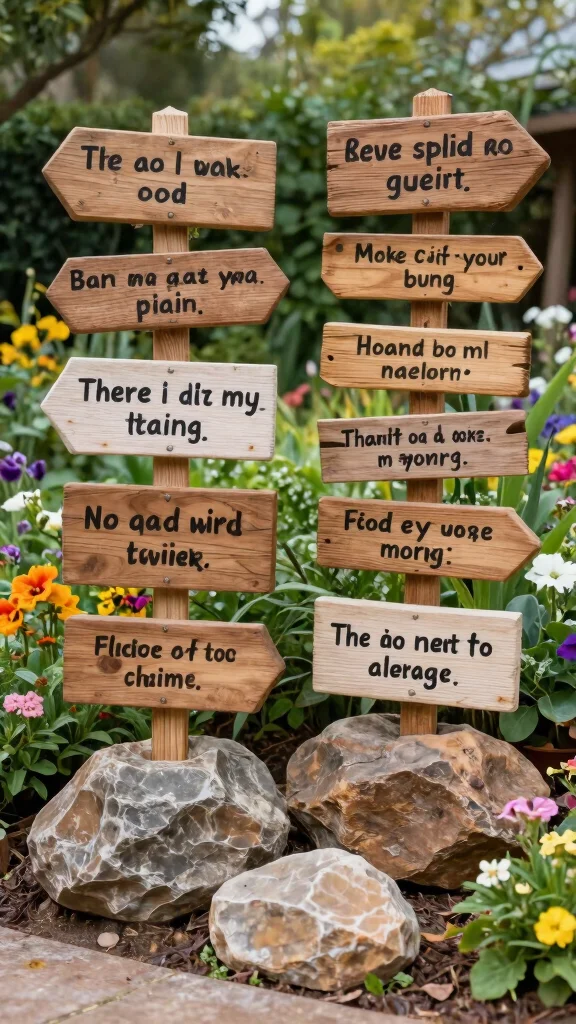
Add personality to your garden with playful garden signs supported by faux rocks. These signs can indicate plant names, themes, or whimsical quotes, providing a personal touch to your outdoor space. Using faux rocks as anchors gives stability while enhancing the overall design.
This combination adds charm and character to your garden, making it more inviting and enjoyable. Think of signs that share fun facts or quotes, engaging visitors and sparking conversations.
Tips for creating garden signs:
– Choose materials that complement your garden style.
– Use faux rocks that match your theme.
– Update decorations seasonally for variety.
Faux rocks elevate garden decoration, offering stable and attractive ways to express personality and information.
❝Playful garden signs anchored by faux rocks for landscaping are like tiny conversations for your yard. Label plants, share fun quotes, and invite neighbors to linger a little longer. Practical, charming decor that keeps your outdoor space welcoming and easy to personalize.❞
15. Garden Focal Points

Create stunning focal points in your garden using faux rocks to draw attention and enhance your design. Whether opting for a large faux boulder or a creative arrangement, these elements can transform any space into a breathtaking visual experience. Picture a striking rock feature surrounded by lush plants or flowing water, inviting exploration.
Focal points can be combined with other elements like flowers or art, making faux rocks a versatile choice for garden design. Aim for a setup that encourages admiration and appreciation of your outdoor space.
Tips for creating focal points:
– Choose a prominent location for maximum visibility.
– Consider scale to maintain balance in design.
– Incorporate complementary elements for coherence.
Faux rocks help craft beautiful focal points, turning ordinary gardens into extraordinary outdoor retreats.
Conclusion
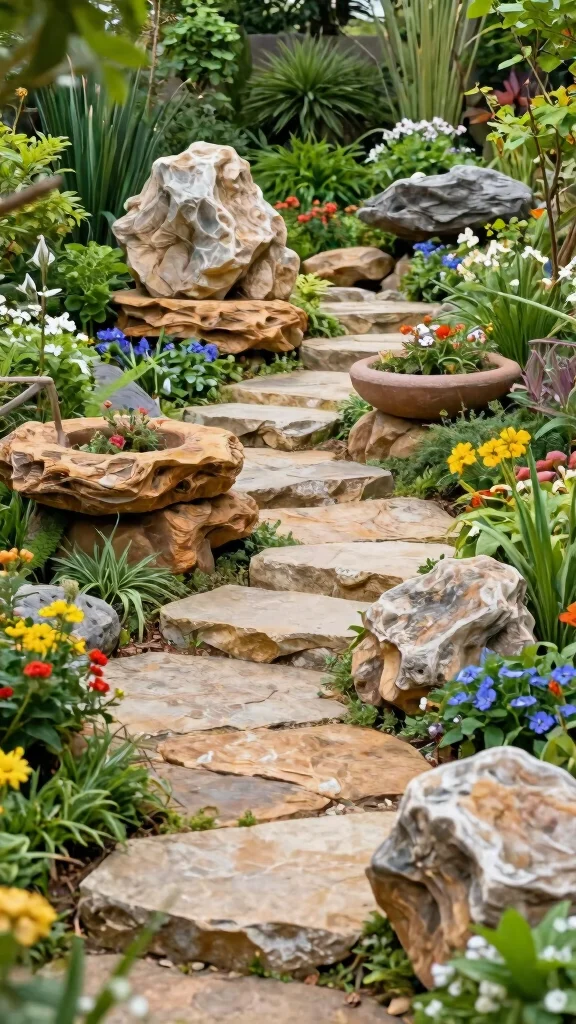
Incorporating faux rocks into landscaping offers a multitude of creative options that enhance your garden’s beauty while reducing maintenance. From elegant planters to stunning focal points, these artificial stones blend seamlessly with nature.
As you explore these ideas, you’ll find the flexibility and charm that faux rocks bring to any outdoor space. Embrace your creativity and watch your garden transform into a stunning retreat that showcases your personality and style.
Note: We aim to provide accurate product links, but some may occasionally expire or become unavailable. If this happens, please search directly on Amazon for the product or a suitable alternative.
This post contains Amazon affiliate links, meaning we may earn a small commission if you purchase through our links, at no extra cost to you.
Frequently Asked Questions
What Are Faux Rocks for Landscaping and Where Should I Use Them?
Faux rocks for landscaping are lightweight, durable rocks that mimic natural stone. Made from materials like resin, fiberglass, or reinforced cement, they give you the look of big boulders without the heavy lifting.
Where to use: entryways, garden borders, around water features, slopes, or as decorative garden rocks to add texture and contrast. They’re also handy for concealing hoses, pumps, or unsightly containers.
Practical tips: choose textures and colors that match your landscape, check UV resistance for outdoor use, and secure with stakes or outdoor adhesive to keep them in place during wind or storms. If you want a planter feature, look for faux rocks with hollow interiors or built-in planters.
Bottom line: faux rocks for landscaping offer an affordable, flexible way to transform space with minimal effort.
How Do I Choose the Best Synthetic Rocks for My Climate and Space?
Start by considering size, weight, texture, and color, plus how much sun, rain, or snow the spot receives.
For small spaces or balconies, choose lightweight, hollow designs you can relocate. For large yards, opt for heavier options with a stable base that won’t topple in wind.
Look for features like UV resistance and frost resistance, and decide between decorative garden rocks or fake boulders for landscaping depending on the effect you want.
Tip: check that the product is designed for outdoors and that you’re buying from trusted brands offering a warranty.
Are Faux Rocks Safe for Kids and Pets, and How Do They Hold Up in Different Weather?
Yes, most faux rocks for landscaping are non-toxic and have smooth, rounded edges, but always verify safety specs and finishes.
To keep kids and pets safe, anchor larger pieces, avoid sharp corners, and avoid small loose parts.
Durability: choose outdoor rock alternatives with weather-resistant coatings; seal against fading in sun and cracking from freeze-thaw cycles.
Can Faux Rocks Also Serve as Planters or Garden Features?
Absolutely. Many faux rocks are hollow or come with built-in planters that you can fill with potting soil and small plants.
Tips: ensure drainage holes, use lightweight soil, and account for watering needs. Pair them with decorative garden rocks and artificial landscape stones to complete the look.
Weight and anchoring: even lightweight versions should be anchored if in windy areas.
How Do I Clean and Maintain Faux Rocks to Keep Them Looking Natural?
Routine care is simple: rinse with water and mild soap, then scrub with a soft brush to remove dirt, moss, or algae.
Avoid harsh chemicals that can fade finishes or damage textures.
Maintenance: inspect for cracks or chips, reseal or touch up paint as needed, and store or cover pieces during extreme weather to prolong life.
Related Topics
faux rocks
landscaping ideas
artificial stones
garden decor
outdoor design
synthetic boulders
decorative rocks
landscape alternatives
beginner friendly
eco-friendly gardening
DIY landscaping
easy garden projects