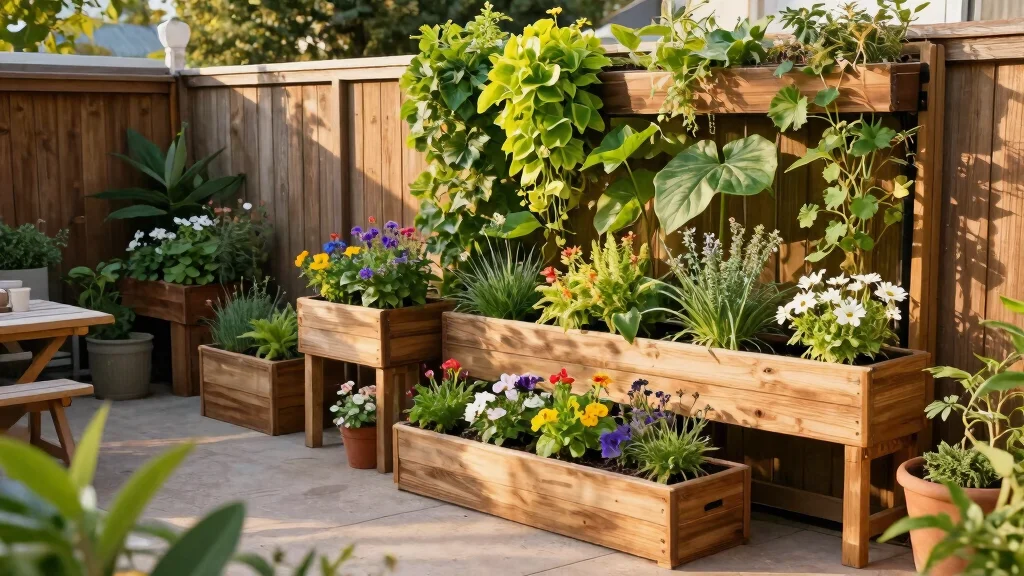
Gardening has a way of sparking creativity, and if you’re like me, the thought of vibrant flowers or fresh herbs growing right in your backyard fills you with excitement. During these times, I’ve found myself craving new ways to enhance my outdoor space. That’s why I decided to pull together a list of 12 adorable DIY planter box ideas that are not only practical but also fun to create. Whether you want to liven up your garden or add a bit of charm to your balcony, these ideas will inspire you to get your hands dirty.
If you’re someone who loves gardening, enjoys home improvement projects, or just wants to add a personal touch to your outdoor areas, this blog is for you. You’ll find a wealth of ideas tailored for various skill levels and materials. From rustic wooden planter boxes to creative vertical gardens, there’s something here for everyone. You don’t need to be a seasoned gardener to enjoy what’s possible with a little effort and creativity.
By reading this post, you’ll discover how to make your very own planter boxes that not only serve a purpose but also enhance your garden’s beauty. I’ll share tips and design ideas that are simple, effective, and sure to make your gardening experience even more enjoyable. So, grab your tools and let’s dive into some DIY magic!
Key Takeaways
– You’ll learn how to create rustic wooden planter boxes that add a classic touch to your garden, perfect for any plant type.
– Explore vertical pallet gardens that maximize small spaces and give your plants the height they need to thrive.
– Discover tiered planter box designs that offer a unique look while making it easier to manage your herbs and flowers.
– Get creative with recycled materials like old shoes or tires, turning them into charming planters that showcase your personality.
– Each project comes with practical tips and insights, ensuring that you can implement these ideas with ease and confidence.
1. Rustic Wooden Planter Boxes
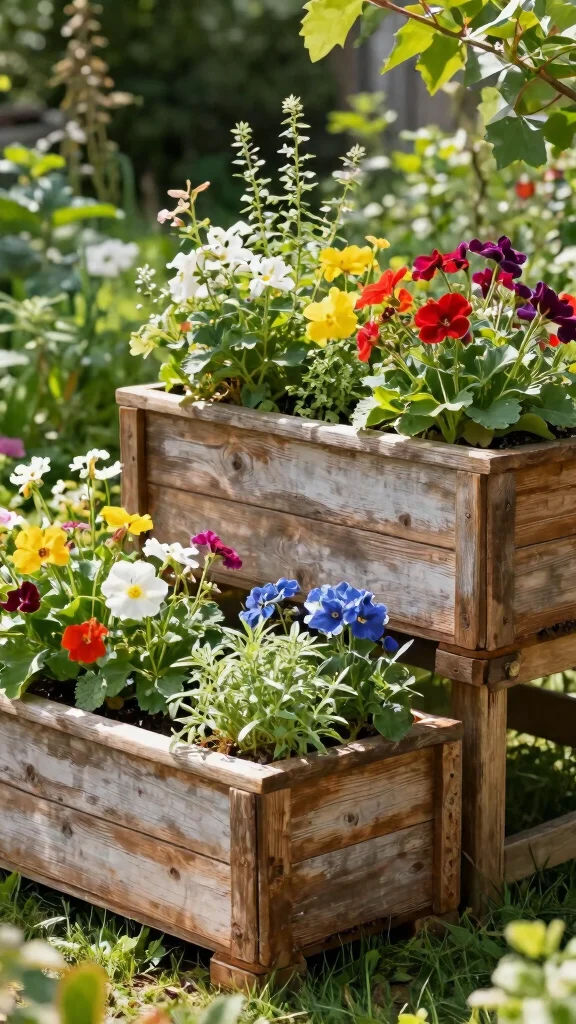
If you’re looking to enhance your garden’s charm, rustic wooden planter boxes are a fantastic choice. Made from reclaimed wood, they not only offer a cozy, vintage feel but also promote sustainability. You can personalize them by adjusting sizes or applying a stain to highlight the natural wood grain, making them truly unique to your space.
To get the most out of these planters, think about arranging them in groups for a more impactful display. Fill them with vibrant annuals or aromatic herbs to create a visual feast. The earthy materials integrate beautifully with any outdoor theme, adding warmth and character.
Key steps to creating your rustic planter box:
– Choose durable, weather-resistant wood for longevity.
– Drill drainage holes to keep roots healthy.
– Combine plants of different heights for dynamic visuals.
With these rustic wooden planter boxes, you can effortlessly connect your home decor to nature, creating a stunning outdoor environment.
2. Vertical Pallet Garden

Elevate your gardening game with a vertical pallet garden! This creative DIY project transforms old wooden pallets into a stunning vertical display that maximizes your gardening space. Perfect for smaller yards, you can easily attach these pallets to walls or fences, creating a lush garden without occupying much ground.
By using this vertical design, you can grow a variety of plants, from fragrant herbs to cascading flowers, all while adding a stylish focal point to your yard. This approach not only saves space but also makes it easier to maintain your garden.
Get started with these essential steps:
– Secure the pallet firmly to support the weight of soil and plants.
– Line the slats with landscape fabric to retain soil.
– Regularly rotate plants for even sunlight access.
Your vertical pallet garden will not only beautify your space but also provide fresh herbs and flowers right at your fingertips.
Difficulty Rating & Requirements
Overall Difficulty Rating: Medium
Creating planter boxes DIY is moderately challenging. It’s well-suited for DIY enthusiasts who have some basic woodworking skills. While some projects are straightforward, others may require more advanced techniques and tools. If you’re willing to learn and tackle new skills, you can definitely succeed in making beautiful planter boxes for your garden.
Time Estimate:
⏱ Estimated time: 4-8 hours, depending on the complexity of the design you choose. Here’s a quick breakdown:
– Planning and Design: 1-2 hours – Sketch your ideas and gather materials.
– Cutting and Assembling: 2-4 hours – Actual work on your planter boxes. For more complex designs, this could take longer.
– Finishing Touches: 1-2 hours – Sanding, painting, or sealing the wood for protection.
Skill Requirements:
– Required skills: Basic woodworking, measuring, and safety handling of tools.
– Beginner-friendly: Yes! Many designs allow for gradual learning. You can start simple and advance with more elaborate projects as you gain confidence.
– Skills that can be learned: Measuring, cutting, and assembling wood. These skills improve with practice. Skills requiring experience: Using power tools safely and effectively.
Tools & Materials Needed:
🧰 Essential items checklist:
– Wood (Pine, Cedar, etc.): Required – Choose durable wood for longevity.
– Screws and Nails: Required – For holding pieces together.
– Saw: Required – A miter saw is ideal, but a hand saw works too.
– Drill: Required – For making holes and driving screws.
– Sandpaper: Required – To smooth surfaces for paint or sealant.
– Wood Sealer or Paint: Optional – To protect your planter from the elements.
– Measuring Tape: Required – Accuracy is key for a good fit.
– Safety Gear (gloves, goggles): Optional – Always good to have for safety.
Step-by-Step Overview:
1. Design & Plan (1-2 hours): Start by sketching your planter box design. Decide on dimensions based on your plants and space.
2. Gather Materials (1 hour): Collect all your materials and tools. Make sure everything is ready before you start building.
3. Cut & Assemble (2-4 hours): Measure and cut your wood according to your design. Assemble the pieces carefully, ensuring everything fits snugly.
4. Sand & Finish (1-2 hours): After assembly, sand down rough edges. Apply any paint or sealant you desire for a finished look.
5. Plant & Enjoy (30 minutes): Once dry, fill your planter with soil and your favorite plants. Enjoy the fruits of your labor!
Cost Comparison:
Professional vs DIY: Hiring a professional for custom planter boxes can range from $200 to $600, depending on materials and design. In contrast, making your own planter boxes can cost between $50 and $150, depending on your chosen materials. If you enjoy DIY projects and want to save money, tackling this task yourself is a great choice! Just remember to take your time and have fun with the process.
3. Tiered Planter Box Design

Transform your garden into a visually captivating tiered planter box design. These multi-level planters not only elevate your plants but also enhance the depth of your outdoor space. Building a tiered planter is easy and allows for a variety of plants to flourish at different heights.
This design is perfect for herbs, flowers, or even vegetables, ensuring that each plant gets its share of sunlight. You can achieve this tiered effect by stacking boxes or crafting a custom structure, showcasing your gardening skills beautifully.
Here are some tips to create your tiered planter:
– Arrange plants based on their sunlight needs for optimal growth.
– Use stakes for added stability when stacking.
– Paint or stain the planter to fit your garden aesthetics.
A tiered planter box not only serves as a stunning garden centerpiece but also simplifies plant care while adding visual interest.
4. Hanging Planter Boxes

Add a fun twist to your garden with hanging planter boxes! These planters maximize vertical space while infusing whimsy into your outdoor area. You can easily hang them from ceilings, railings, or fences, making them perfect for trailing plants that cascade beautifully.
Opt for sturdy materials like wood or metal to ensure they can support the weight of soil and plants. You can choose bright colors for a playful vibe or keep them natural for a rustic aesthetic. This style not only saves space but also enhances your garden’s visual layers.
Essential tips for your hanging planter boxes:
– Secure hangers properly to prevent accidents.
– Select lightweight plants to reduce strain on hangers.
– Vary heights for a more artistic display.
Hanging planter boxes will create a vibrant and inviting atmosphere in your garden, transforming it into a lush retreat.
5. Wooden Crate Planter Boxes
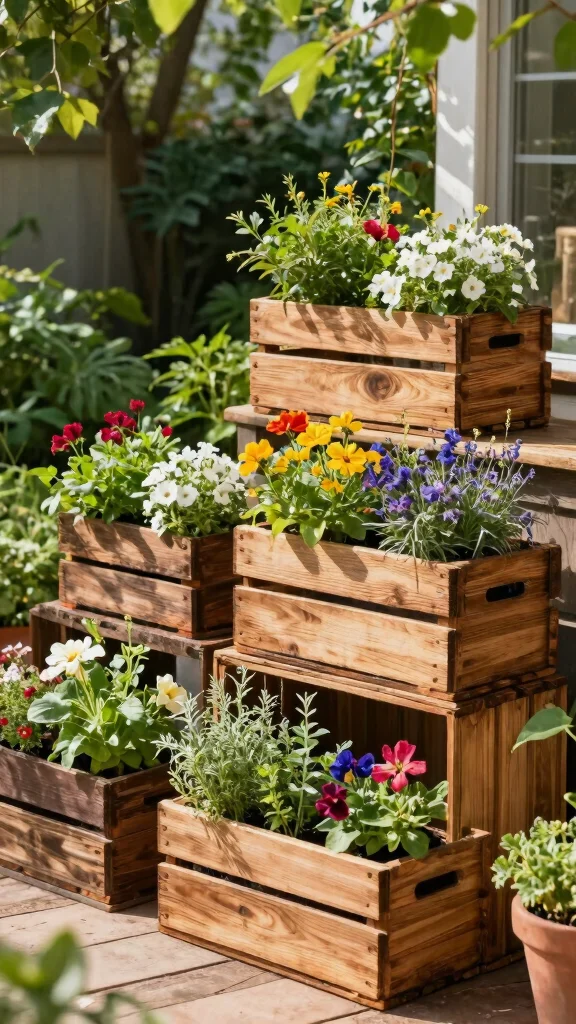
Repurpose old wooden crates into charming planter boxes for a rustic yet functional garden accessory. These versatile planters can easily be moved around, adding vintage charm to your space. Stack them for unique arrangements and fill them with flowers, herbs, or even small vegetables for a rich, colorful display.
You can give these crates a fresh look with paint or keep them natural for an organic feel. Personalizing them with designs or stencils adds a unique touch to your garden.
Start your crate planter project with these steps:
– Line crates with plastic to protect against moisture.
– Ensure proper drainage by drilling holes in the bottom.
– Use various sizes for an engaging visual layout.
Wooden crate planter boxes are a delightful way to express your creativity while adding character to your outdoor space.
6. Concrete Block Planters
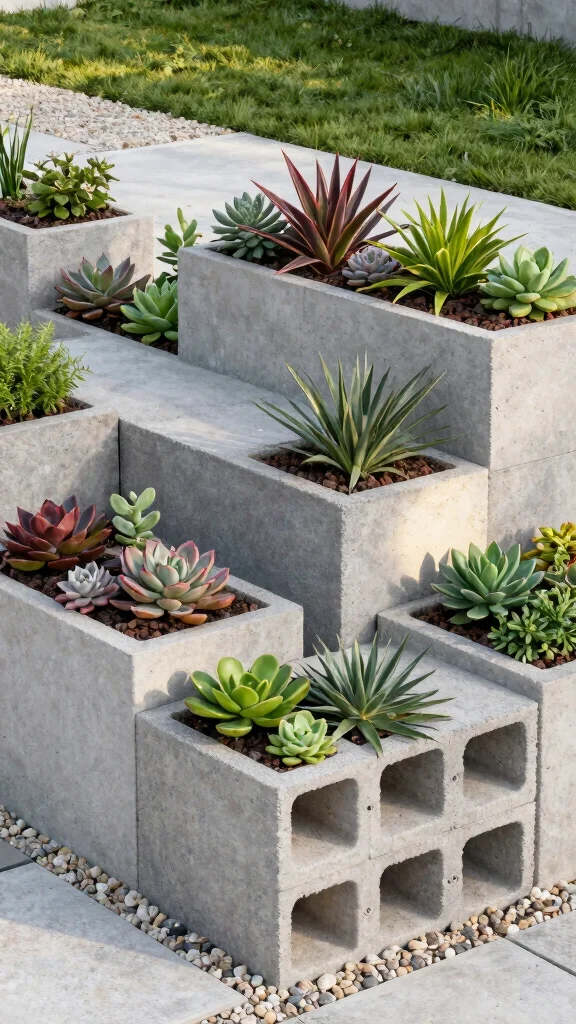
For a contemporary touch, consider using concrete blocks as planter boxes! These durable planters withstand the elements and offer a sleek aesthetic with clean lines. You can stack the blocks to create a unique raised bed or use them individually for an eclectic setup.
Fill the blocks with soil and plants, allowing greenery to soften the concrete’s hard edges. This DIY project not only lasts but also offers endless possibilities for creative plant arrangements.
Here’s how to get started:
– Seal the concrete to protect it from moisture.
– Select plants that thrive in varying soil depths.
– Paint or decorate the blocks for added flair.
Concrete block planters combine style and functionality, making them a fantastic addition to any modern garden.
❝ Fun fact: concrete block planter boxes can last 25+ years and shrug off weather, giving you a durable garden that ages gracefully. Stack blocks for a modular raised bed, or place them individually for an eclectic vibe that makes every plant pop.
7. Recycled Shoe Planters
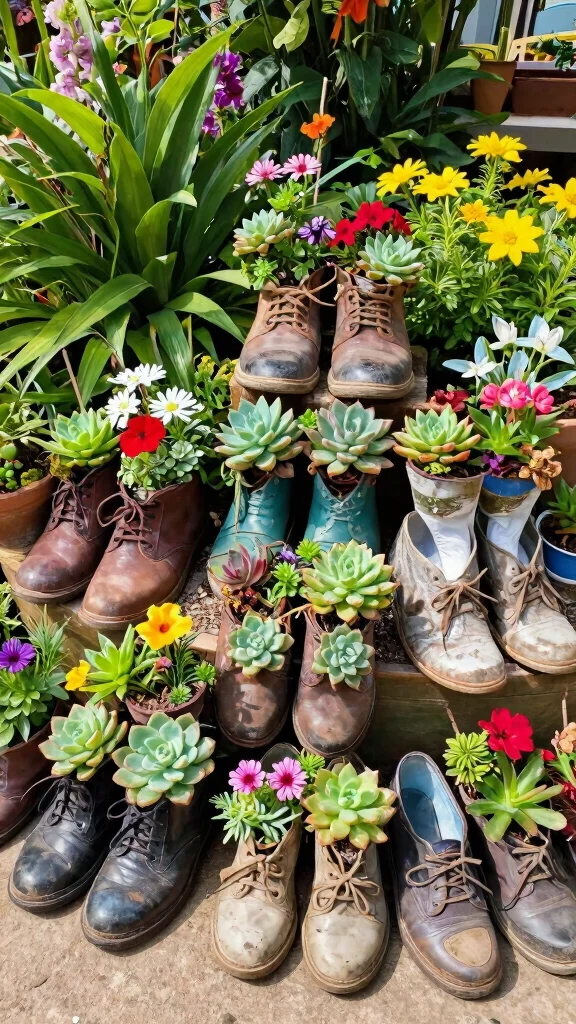
Get creative by turning old shoes into quirky planter boxes! This fun project allows you to showcase your personality while adding a playful element to your garden. Almost any shoe can be transformed into a planter, from sneakers to stilettos. Just remember to poke drainage holes in the bottom for healthy plants.
Fill them with lightweight soil and your favorite succulents or small flowers, creating a unique display that’s sure to catch the eye. You can arrange these playful planters in a garden bed or hang them for an artistic flair.
Here are some tips for your shoe planters:
– Choose sturdy shoes for better durability.
– Decorate with paint or embellishments for extra charm.
– Use various shoe sizes to create an interesting arrangement.
Recycled shoe planters are a delightful way to add character to your garden while showcasing your creativity and love for plants.
Fun fact: a single old shoe can become a tiny green throne for 2-3 succulents. Poke drainage holes, add lightweight soil, and you’ve turned waste into a playful focal point for your planter boxes diy projects. It’s a practical, space-saving trick that invites creativity in every garden.
8. Wine Barrel Planter Boxes
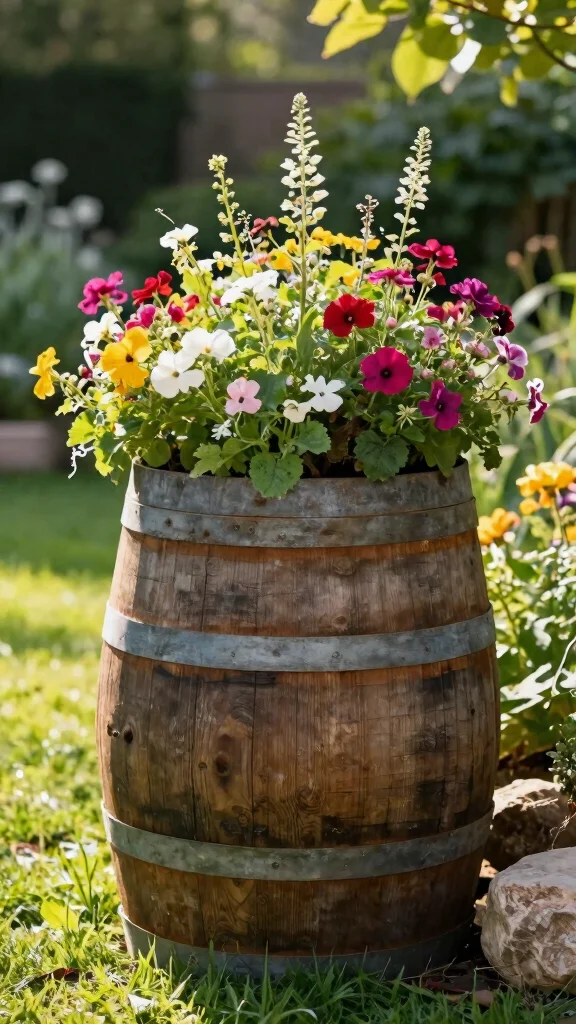
Transform an old wine barrel into an eye-catching planter box for a rustic statement piece! These large planters provide ample space for various plants to thrive and can serve as a focal point in your garden. You can use an entire barrel or cut it in half for unique effects.
Fill it with a mix of soil and compost, and plant vibrant flowers or small shrubs for a stunning display. Wine barrel planters not only look beautiful but also retain moisture well, making them ideal for hot weather.
Here’s how to create your wine barrel planter:
– Line the inside with landscape fabric to prevent soil loss.
– Drill drainage holes if necessary for excess water.
– Experiment with companion planting for a fuller effect.
Wine barrel planters add charm and provide a perfect home for colorful flowers and herbs, enhancing your outdoor space beautifully.
9. Vertical Garden Trellis Planters
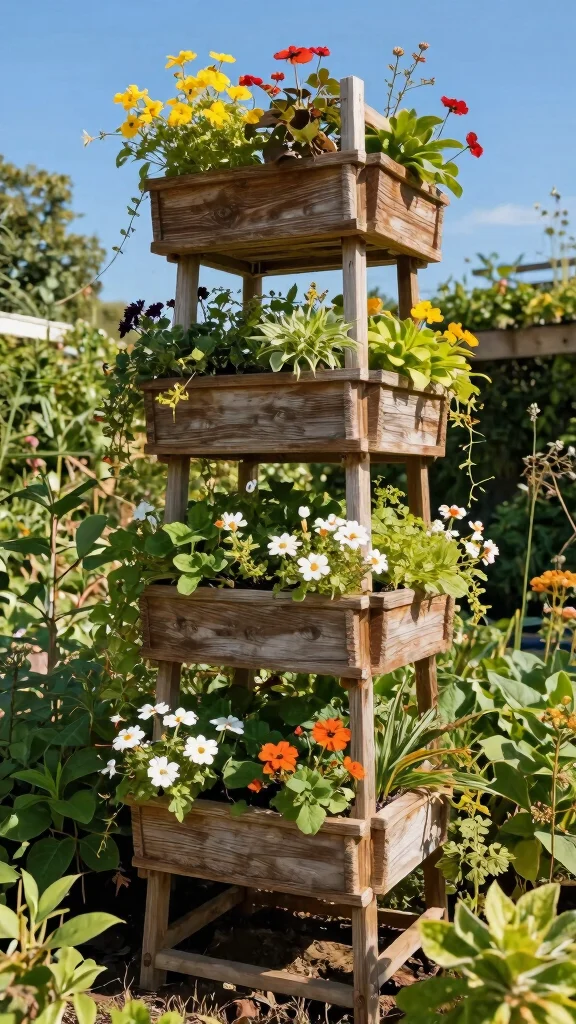
Combine beauty and practicality with vertical garden trellis planters! These planters allow you to grow climbing plants while serving as a stunning decorative feature. Build a trellis from wood or metal, attaching planter boxes at the base for an attractive vertical display.
This design is perfect for cultivating tomatoes, cucumbers, or beautiful climbing flowers. The trellis not only supports plants but also encourages upward growth, optimizing space while adding height to your garden.
Begin your trellis planter project with these steps:
– Ensure the trellis is sturdy enough for mature plants.
– Choose compatible plants for a visually appealing arrangement.
– Position it in a location that gets plenty of sunlight.
Vertical garden trellises maximize space and create a stunning visual impact in your outdoor area, making gardening even more enjoyable.
10. Recycled Tire Planters
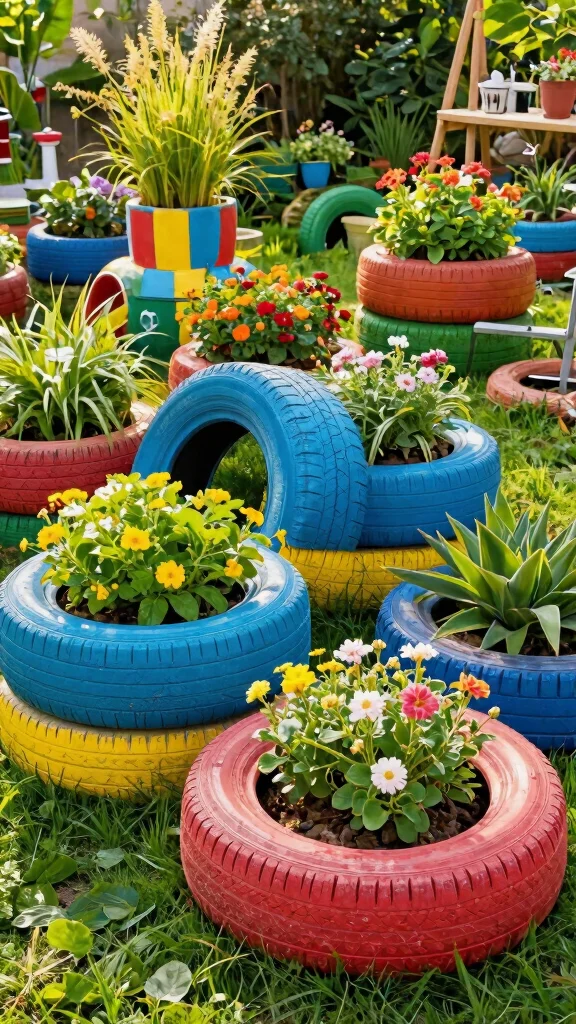
Give old tires a new purpose by turning them into fun planters for your garden! These eco-friendly tire planters add a whimsical touch and can be painted in vibrant colors or left in their rugged state. Fill them with soil and your favorite flowers or herbs, arranging them in creative patterns for a playful garden layout.
Tires retain moisture well, making them an ideal choice for hot climates. This DIY project showcases your creativity while promoting recycling in style.
Start your tire planter project with these tips:
– Clean the tires thoroughly to remove debris.
– Apply a sealant to protect from UV damage.
– Use different sizes for a visually dynamic arrangement.
Recycled tire planters are a whimsical way to enhance your garden while encouraging sustainability and creativity.
11. Greenhouse Planter Boxes
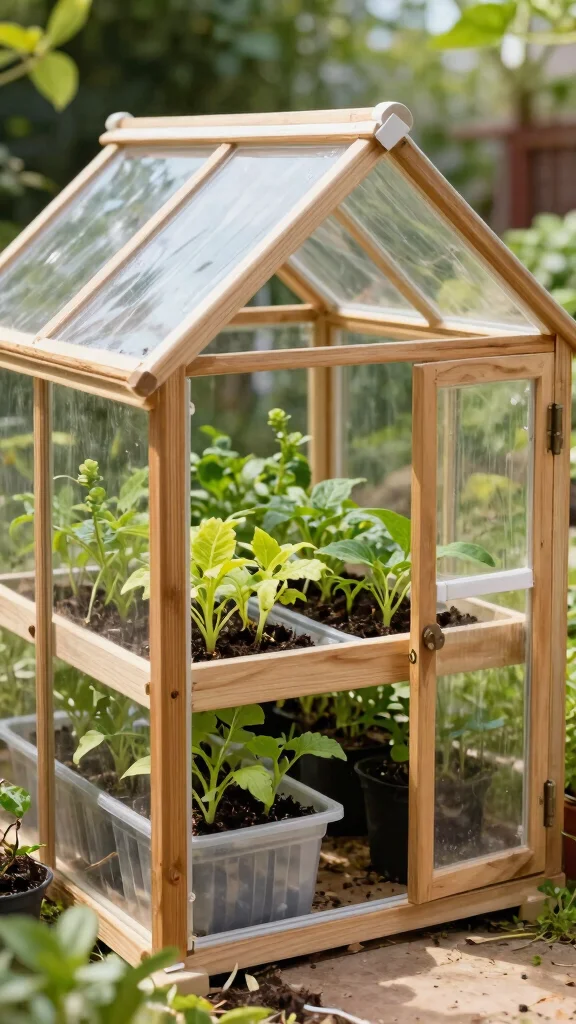
Create a mini greenhouse with planter boxes to extend your gardening season! These structures provide shelter for your plants while trapping warmth and moisture for optimal growth. Construct your greenhouse using clear plastic sheets over a wooden frame, along with planter boxes for your favorite herbs and veggies.
This design is especially beneficial for delicate plants or seedlings needing extra care. You can adjust the mini greenhouse to fit your garden layout, allowing you to enjoy fresh produce year-round.
Follow these steps to build your greenhouse:
– Construct a sturdy wooden frame.
– Cover it with clear plastic sheets and secure them well.
– Place planter boxes inside, filling them with soil.
Greenhouse planter boxes are an excellent way to nurture your garden, helping you enjoy growth and harvests throughout every season.
12. Garden Bench Planter
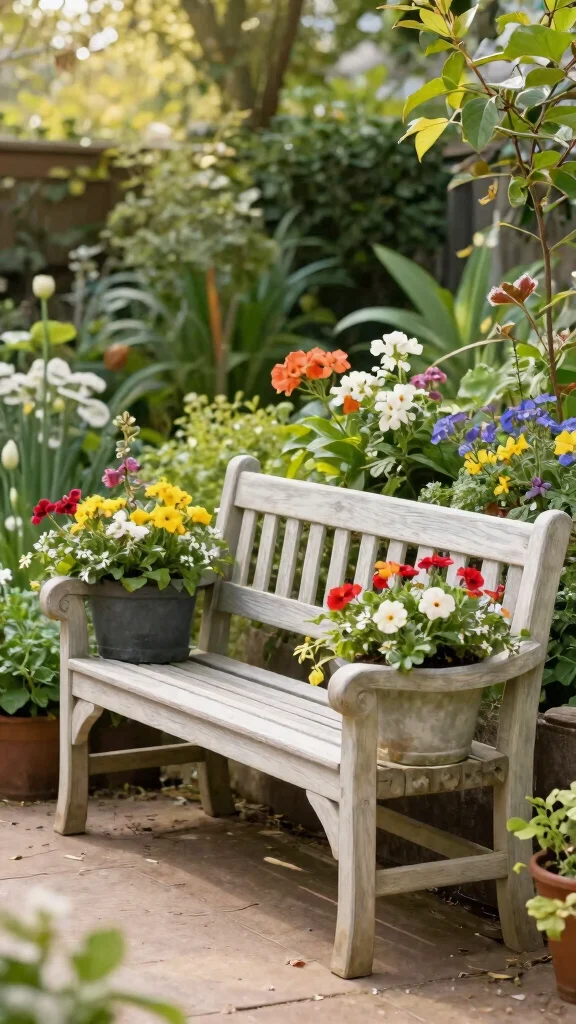
Combine style and function by creating a garden bench with attached planter boxes! This unique design allows for comfortable seating while displaying your favorite plants. You can build a sturdy bench and incorporate planter boxes at the ends or along the back, enhancing your outdoor space beautifully.
Choose a variety of flowers or herbs to create a stunning display that invites relaxation. This design works well in patios or garden corners, adding comfort and visual charm.
To get started, follow these steps:
– Use high-quality wood for outdoor durability.
– Ensure planter boxes have adequate drainage.
– Paint or stain the bench to complement your garden decor.
The garden bench planter beautifully merges functionality with aesthetics, encouraging you to unwind in your blooming garden.
Fun fact: a garden bench with built-in planter boxes boosts outdoor seating by 30% and adds up to 25% more usable greenery in tight spaces. With planter boxes diy, you get style, shade, and easy herb access in one getaway.
Conclusion
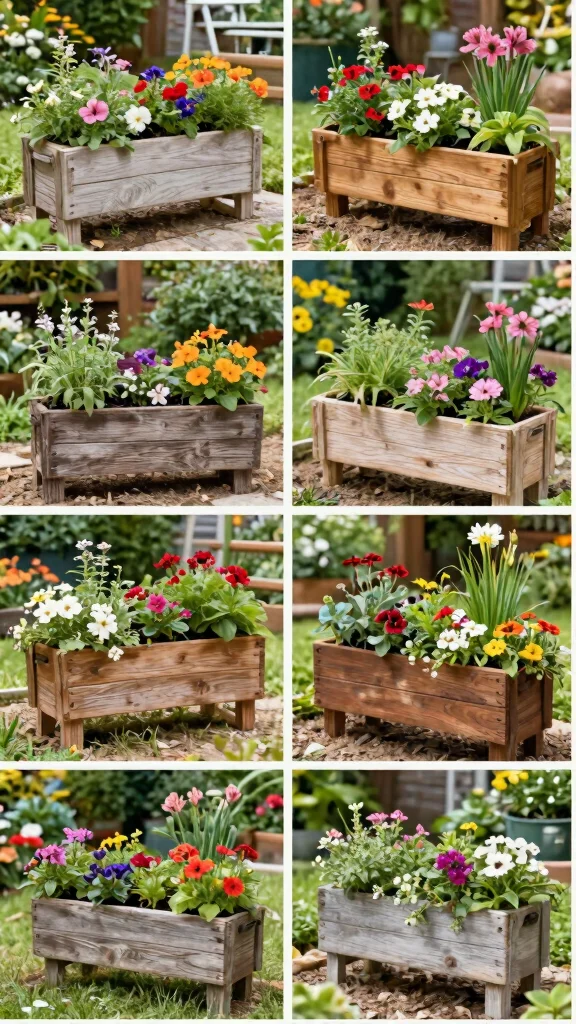
With these 12 DIY planter box ideas, your garden is sure to flourish with creativity and beauty!
From rustic wooden designs to quirky recycled projects, each concept offers a unique way to express your gardening style while showcasing your favorite plants. Encourage your imagination, grab your tools, and start transforming your outdoor space into a lush paradise. Your garden will not only look stunning but also provide a serene escape from the hustle and bustle of daily life.
Note: We aim to provide accurate product links, but some may occasionally expire or become unavailable. If this happens, please search directly on Amazon for the product or a suitable alternative.
This post contains Amazon affiliate links, meaning we may earn a small commission if you purchase through our links, at no extra cost to you.
Frequently Asked Questions
What are the best materials for DIY planter boxes in vertical garden ideas?
For a durable, stylish setup, start with wooden planter boxes for vertical garden ideas. Cedar or redwood hold up outdoors and can be sealed with a non-toxic exterior finish.
If you’re on a budget, repurposed pallets can become a planter boxes diy frame—just sand rough edges and line the interiors with landscape fabric. Make sure each box has drainage holes and a bottom tray to catch excess water.
When mounting on a wall, use sturdy brackets and stagger the boxes to add depth. Line interiors with a moisture barrier and fill with a lightweight, well-draining soil mix. A modular design makes it easy to swap plants as the seasons change.
How can I build a simple vertical planter using wooden planter boxes?
Here’s a simple approach you can try at home. First plan your space and pick sizes of wooden planter boxes that fit.
Next gather materials: exterior screws, sturdy brackets, landscape fabric, and a drill.
Prep the boxes by drilling drainage holes (if missing) and lining the interiors with fabric.
Then assemble: connect boxes using brackets or a lightweight frame to create a vertical stack. Choose a mounting method—wall anchors for a wall install or a freestanding frame for portability.
Fill with a light, well-draining potting mix and plant herbs, lettuce, or compact flowers. Finally, maintain by watering evenly and periodically checking for rot.
What plants are best for container gardening in vertical planter boxes?
Vertical planter boxes shine with container gardening tips for a variety of plants. In bright sun, grow herbs like basil, thyme, and oregano, plus compact greens such as lettuce, spinach, and arugula.
For fruiting or color, try dwarf strawberry varieties, compact peppers, or trailing flowers like nasturtium and sweet potato vine. In partial shade, opt for leafy greens and shade-friendly herbs. Remember to keep spacing for air circulation and use a nutritious, well-draining potting mix.
How do I water vertical planter boxes effectively without overwatering?
Watering vertical setups can be tricky. Use drainage holes and bottom trays to prevent soggy wood.
Choose a light, well-draining soil mix and consider mulching the top to reduce evaporation. For easier maintenance, install a simple drip irrigation line or a self-watering feature with a small reservoir and wick system that pulls water up as needed.
Water deeply but less often to encourage strong root growth, and adjust frequency with the seasons. Always refer to container gardening tips for your chosen plants.
Can you suggest easy garden decoration projects to enhance a vertical planter wall?
Absolutely! Start by painting or staining the wooden boxes in complementary colors to create bold vertical garden ideas on your wall.
Add decorative plant markers, moss, or chalkboard labels for a personal touch. Upcycle items like tin cans or a repurposed pallet frame as a mini trellis or hanging display to add texture and interest.
Install soft lighting or solar-powered LEDs to highlight the planter wall at night. These garden decoration projects are simple, affordable, and can dramatically elevate your space.
Related Topics
planter boxes DIY
vertical garden ideas
wooden planter boxes
container gardening tips
raised bed gardening
garden decoration projects
beginner friendly
easy DIY
outdoor decor
sustainable gardening
budget gardening
seasonal planting